A water stain on a ceiling, ponding water on a balcony or persistent mould beside a bathroom wall can prompt one urgent question: who fixes waterproofing? For strata and commercial properties, the answer is rarely a single trade called in to apply sealant. Effective waterproofing rectification requires the right specialist to identify where water is entering, why the original system failed and what surrounding building elements have been affected.
A remedial waterproofing contractor is generally the appropriate lead for significant or recurring failures, particularly in apartment buildings, podiums, rooftops, basements and common areas. The contractor should coordinate investigation, engineering input where required, compliant system selection and construction delivery. This is materially different from treating the visible symptom with silicone, paint or a local patch.
Who fixes waterproofing failures?
The person or company responsible depends on the defect, building type and extent of damage. In a straightforward residential bathroom renovation, a qualified waterproofing contractor may install the membrane as part of the works. Where a leaking tap or failed waste connection is the cause, a licensed plumber is required to rectify the plumbing issue before waterproofing repairs are considered.
For multi-unit residential, commercial or older buildings, the issue is often more complex. Water may be bypassing a failed balcony membrane, entering through façade cracks, tracking beneath tiles, penetrating defective flashings or migrating through construction joints. A remedial building practitioner can manage this broader scope because the work begins with diagnosis rather than an assumed repair method.
This distinction matters. A tiler may identify loose tiles, but loose tiles may be the result of membrane failure rather than its cause. A painter can restore a stained ceiling, but painting does not stop water entering from the level above. A roofer may repair an obvious roof penetration, yet an adjacent drainage or flashing defect can remain unresolved.
For substantial failures, the right project team may include a waterproofing specialist, remedial builder, hydraulic consultant, structural engineer, façade engineer, roofer or plumber. One accountable contractor should coordinate those inputs, define the repair sequence and take responsibility for delivery.
Why waterproofing is not simply a sealing job
Waterproofing is a building system. It relies on compatible substrates, correct surface preparation, falls to drainage, terminations, joints, penetrations, flashings and protection from damage during subsequent trades. If any one of these elements is poorly detailed or installed, water can find a path through the assembly.
This is why a membrane alone is not a complete solution. On a balcony, for example, a replacement membrane may fail prematurely if the substrate has inadequate falls, the threshold detail is too low, drainage outlets are blocked or tile bed moisture cannot escape. In a basement, internal coating may temporarily reduce dampness while external hydrostatic pressure continues to drive water through cracks and construction joints.
The practical question is not only who can apply waterproofing. It is who can assess the complete water-management system and rectify the factors causing failure.
Common specialists involved in remedial waterproofing
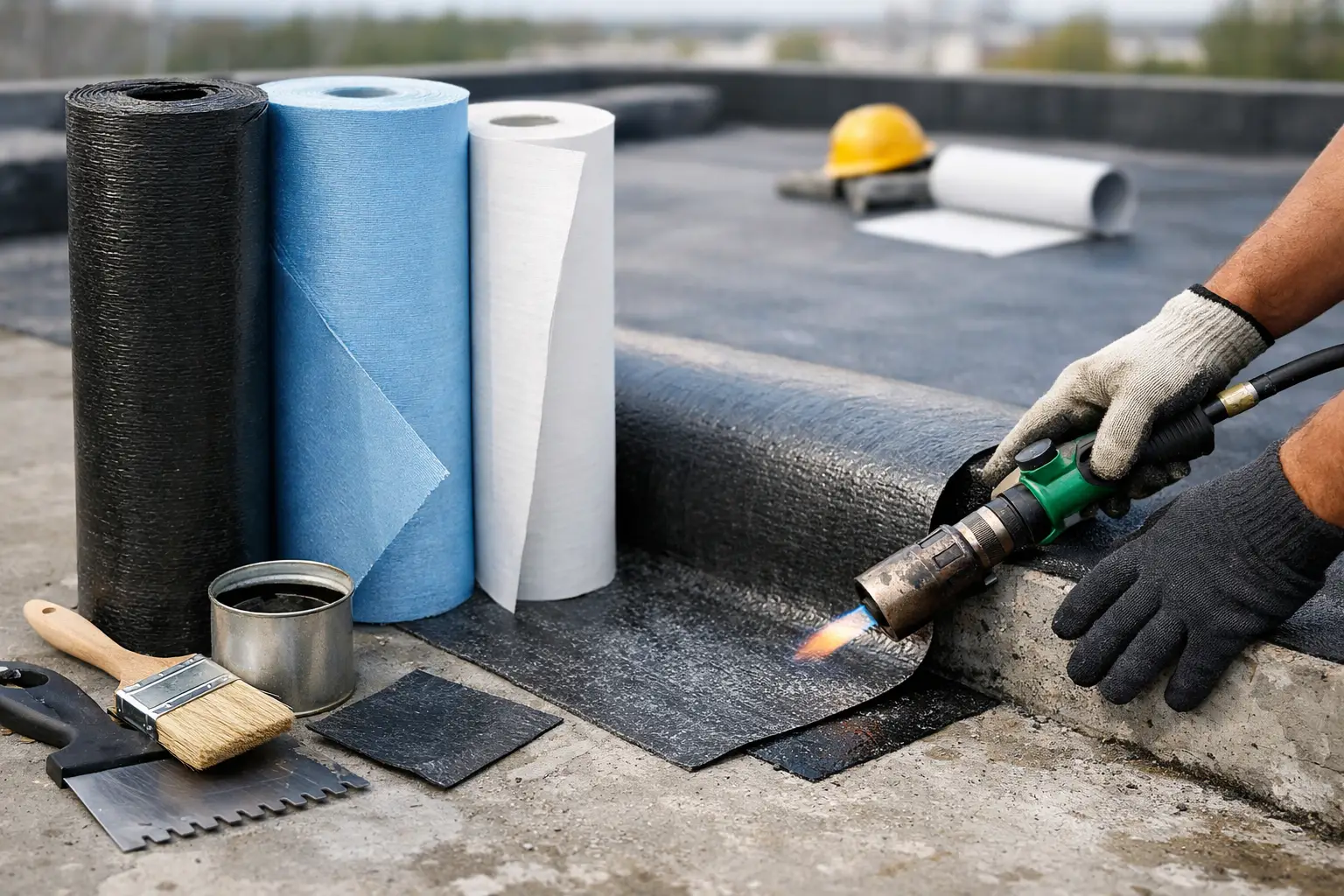
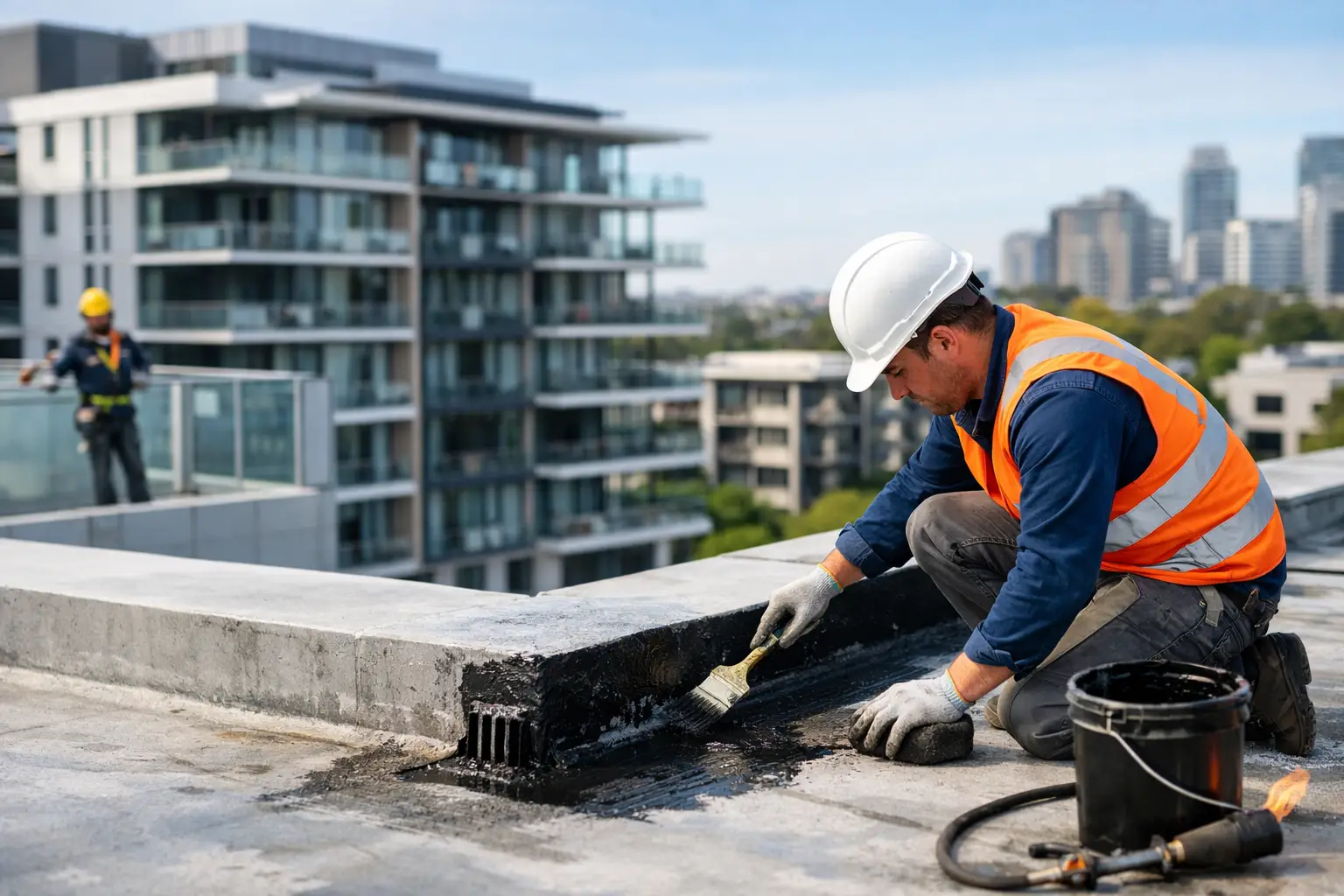
A waterproofing contractor installs and repairs membranes, liquid-applied systems, sheet membranes, joint treatments and protective coatings. Their capability should extend to substrate preparation, detailing and testing, not merely product application.
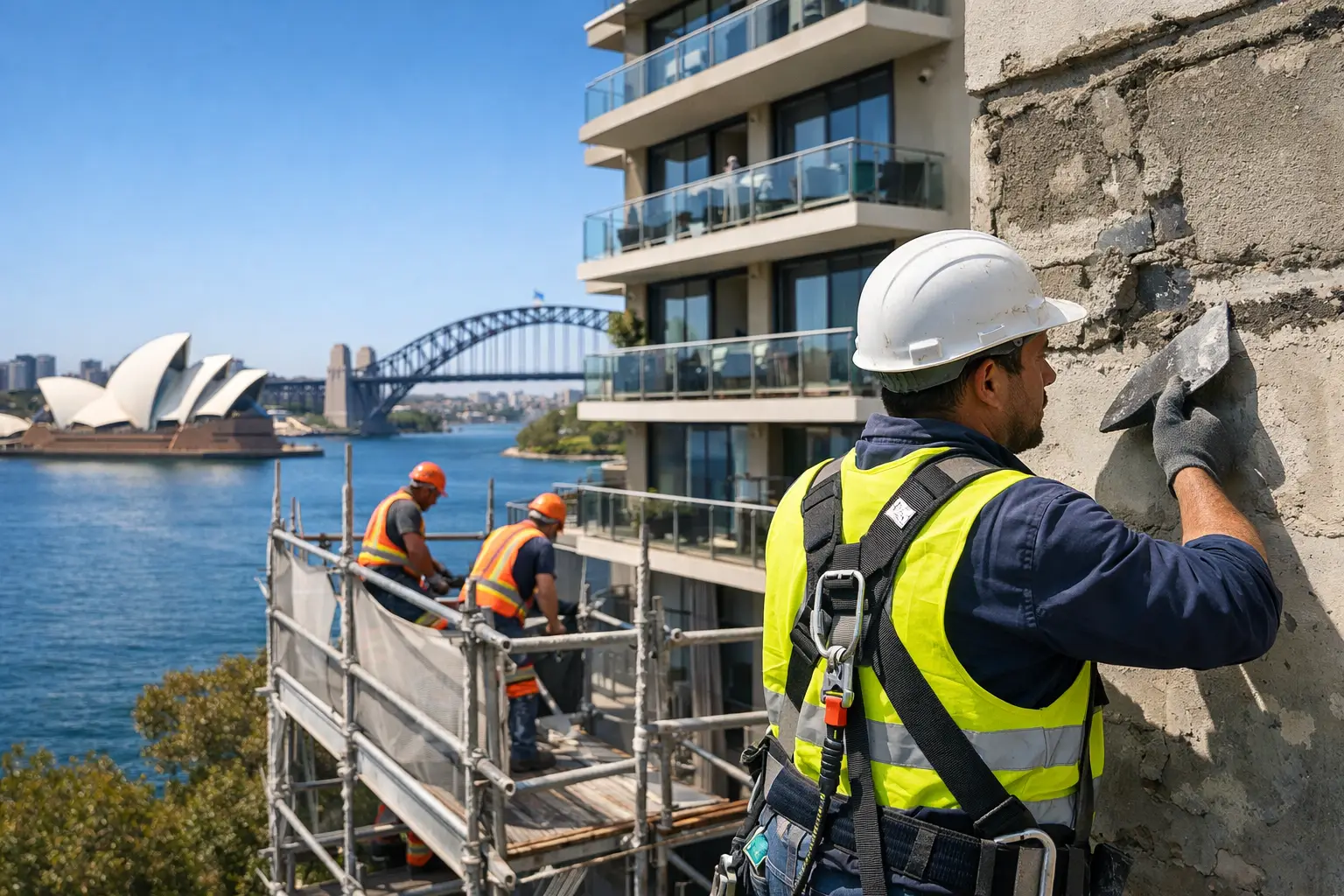
A remedial building contractor manages complex repair scopes involving multiple defects or trades. This may include demolition, concrete repair, drainage corrections, façade works, membrane installation, tiling, reinstatement and quality control.
Engineers and building consultants can be critical where water ingress has damaged structural elements, where existing details need redesign, or where an owners corporation requires an independent diagnostic report. Their role is to establish the technical repair strategy, not simply nominate a product.
Plumbers, roofers and façade trades also have defined responsibilities. They should address defective services, roof drainage, flashings, cladding interfaces and other building components that may be contributing to the water path.
Start with a defect investigation, not a quote for coating
The fastest-looking repair is not always the most economical repair. Applying a coating over an unknown failure can conceal the evidence, complicate later investigations and leave water trapped within building materials. For a strata scheme, this can result in repeated special levies, disruption to residents and disputes about whether common property or lot property is responsible.
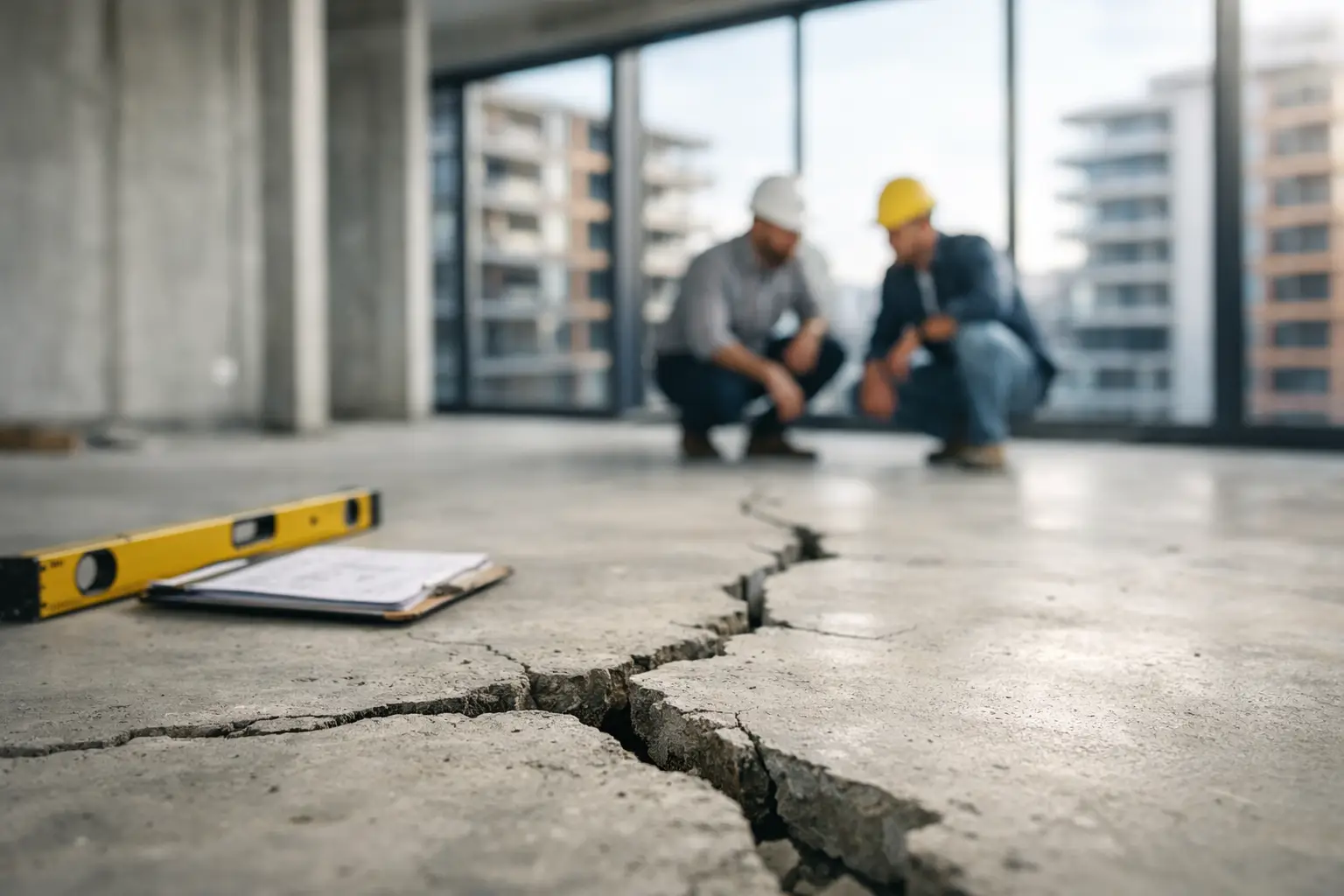
A disciplined investigation generally considers the location and pattern of damage, building drawings where available, previous repairs, drainage performance and likely water pathways. Depending on the situation, the investigation may include moisture testing, flood testing, hose testing, thermal imaging, inspection openings or review of existing membranes and flashings.
The findings should lead to a clear scope: what needs removal, what can remain, how the substrate will be repaired, which membrane system is suitable, how interfaces will be detailed and how the completed work will be tested. This approach provides a defensible basis for expenditure and avoids vague scopes such as “reseal balcony” when full membrane replacement is required.
When does waterproofing need engineering input?
Not every leaking shower requires an engineer. However, engineering coordination becomes appropriate when water ingress is associated with concrete spalling, corroded reinforcement, structural cracking, movement joints, façade deterioration or extensive deterioration to balconies and podium slabs.
Water entering concrete can accelerate reinforcement corrosion. As steel expands, it can crack and dislodge the surrounding concrete, creating both a waterproofing problem and a safety issue. Treating the surface with a membrane without repairing the concrete and addressing the water source is not a durable solution.
Engineering input is also valuable for complicated interfaces, including rooftop plant areas, basement walls, retaining structures and heritage façades. These assemblies can involve movement, drainage pressure and material compatibility issues that need more than a standard product specification.
For Class 2 buildings in Sydney, design and compliance obligations may also affect how remedial work is planned and documented. The required level of coordination depends on the scope, but owners corporations should be cautious of contractors who dismiss compliance considerations before properly reviewing the project.
What to look for when appointing a waterproofing contractor
The right appointment is based on capability and accountability, not the lowest initial price. Ask whether the contractor has investigated similar failures, whether they can coordinate required engineering and approvals, and whether their scope includes rectification of associated building defects.
A capable contractor should be able to explain the proposed system in plain terms: the source of water, the reason for the selected repair, preparation requirements, drainage implications, protection of finished membrane and testing procedures. They should also identify exclusions clearly. Transparency at this stage prevents assumptions becoming variation disputes later.
For larger strata projects, seek evidence of an organised delivery process. This includes site safety planning, resident communication, staging, quality inspections, photographic records and practical measures to manage access, noise and weather exposure. Waterproofing works often require demolition and reinstatement, so programming and coordination are as important as the membrane itself.
Be cautious where a contractor proposes a universal fix before inspecting the site. There are cases where targeted repairs are appropriate, particularly when testing isolates a small, accessible defect. But widespread leaking, repeated patch repairs or damage across several levels usually calls for a broader investigation and a properly designed remedial scope.
The repair process should protect the asset, not just stop the drip
A well-managed waterproofing rectification project typically moves from investigation to a documented repair methodology, then to preparation and repair of substrates before membrane installation. Drainage, terminations and penetrations are addressed as part of the system. Testing is undertaken at the appropriate stage, followed by protection and reinstatement of finishes.
Quality control should not be left until the end. Once tiles, pavers, screeds or wall linings cover the membrane, defects are harder and more expensive to find. Inspection hold points during preparation, membrane application and testing help confirm that each critical stage has been completed correctly.
For owners corporations and asset managers, the value of this process is certainty. It creates an evidence trail for committee decisions, helps distinguish the original defect from consequential damage and supports a repair outcome designed for long-term building performance.
When water is entering a building, appointing someone who only treats the visible damage can turn a manageable defect into a recurring liability. A coordinated remedial team, such as Remedial Building Practitioners, can investigate the cause, bring the necessary disciplines together and deliver a repair that respects the building’s structure, compliance requirements and future maintenance needs. The most useful next step is a proper assessment before another patch is approved.