
When a balcony leaks into occupied lots, concrete starts spalling from a facade, or cracking appears around movement joints, the real problem is rarely the stain, rust mark or surface damage you can see. Remedial building practitioners are engaged because buildings fail in systems, not in isolation. The visible symptom is usually the end point of a longer chain involving moisture ingress, structural movement, poor detailing, ageing materials, deferred maintenance or earlier construction defects.
For strata committees, owners corporations, asset managers and developers, that distinction matters. If the wrong contractor treats a defect cosmetically, the building keeps deteriorating, occupants keep reporting the same issues, and costs rise with every repeat visit. Effective remediation starts with diagnosis, then moves through engineering coordination, scope development, approvals and controlled construction delivery.
Why remedial building practitioners matter
A remedial project is not the same as general maintenance and it is not simply a refurbishment with a defects list attached. It sits at the point where building pathology, compliance, construction sequencing and long-term asset protection all intersect. That is why remedial building practitioners bring a different discipline to the work.
Their role is to identify root causes, determine the right repair methodology and deliver works that restore performance rather than just appearance. In practice, that may involve waterproofing replacement, concrete repair, structural strengthening, facade rectification, heritage restoration or Class 2 defect remediation. The common thread is accountability across the whole process.
That accountability is especially valuable on occupied sites. Residential buildings, mixed-use assets and commercial properties rarely offer the luxury of unrestricted access or complete shutdowns. Works have to be staged carefully, communication needs to be clear, and safety, compliance and disruption management all need active control.
The difference between repair work and true remediation
Not every builder is equipped for remedial construction. The difference usually shows up at the start of the job.
A repair-focused approach often asks, what needs replacing? A remedial approach asks, why did this fail, what else has been affected, and what system needs to change so the defect does not return? That shift in thinking influences everything from testing and intrusive investigation through to engineering input, specification and workmanship standards.
Take water ingress as an example. A ceiling stain may suggest a membrane issue, but the root cause could sit in failed sealants, inadequate falls, blocked drainage, cracked render, defective flashings or facade junctions that were never detailed correctly. Replacing one element without understanding the broader pathway can waste significant time and money.
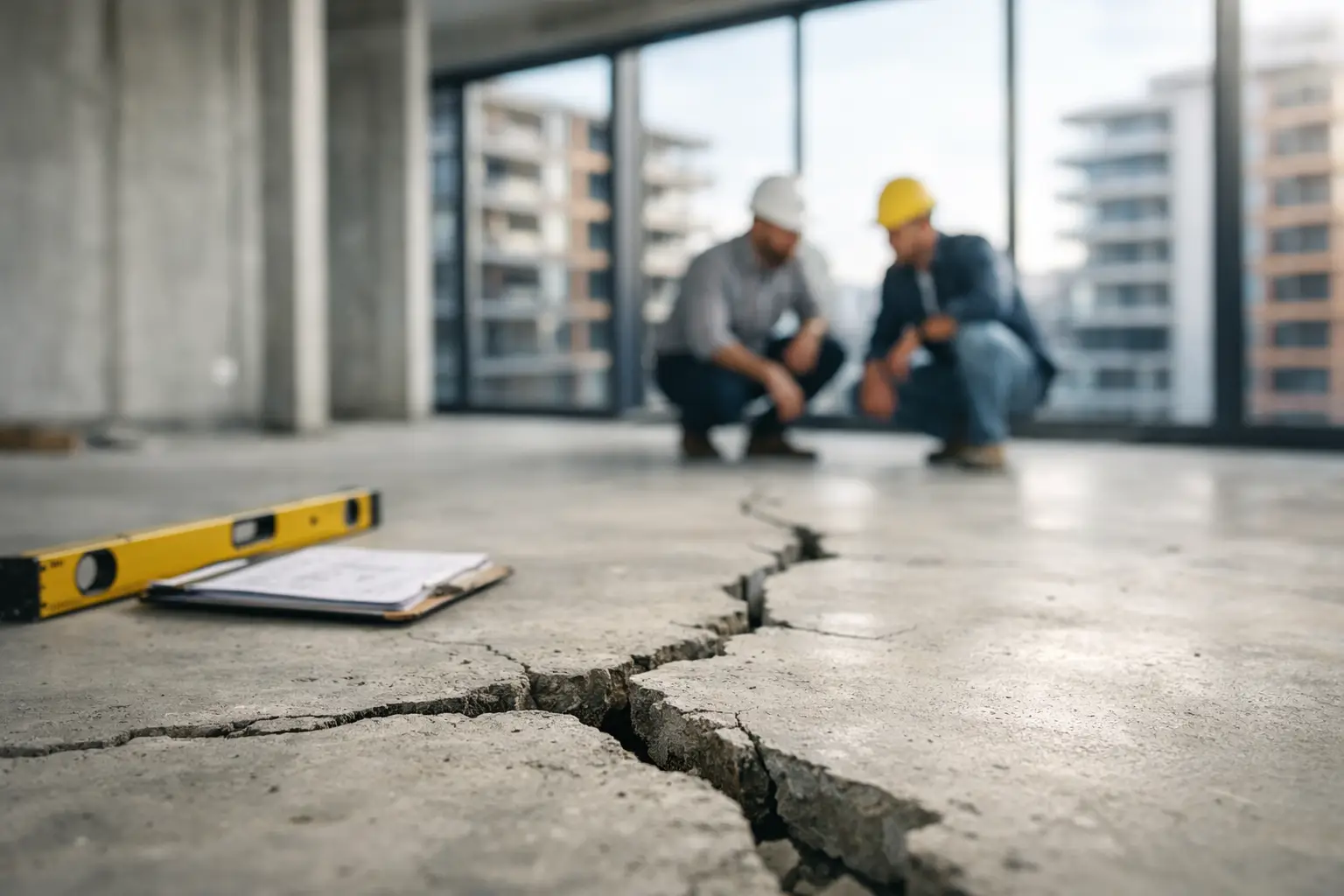
The same applies to concrete cancer. Spalling concrete is not just a surface defect. It can indicate chloride ingress, carbonation, corrosion of reinforcement, moisture penetration and a broader deterioration pattern across the structure. Proper rectification depends on the extent of the damage, the cause of the corrosion and the compatibility of the repair system with the existing building fabric.
How remedial building practitioners approach a project
The strongest remedial outcomes are built on method, not guesswork. While each building presents its own conditions, the process tends to follow a disciplined sequence.
1. Investigation before intervention
The first step is understanding the defect properly. That may involve visual inspection, moisture testing, sounding, concrete assessment, destructive opening-up works, review of drawings and previous reports, and consultation with engineers or registered design practitioners where required.
This stage can feel slower than clients expect, particularly when there is pressure to fix visible damage quickly. But skipping investigation is one of the most common reasons remedial works fail. If the cause is misunderstood, the scope will be wrong.
2. Coordinated repair methodology
Once the cause and extent of the problem are clearer, the next step is developing a buildable methodology. This is where technical coordination matters. Engineering requirements, waterproofing design, access constraints, sequencing, occupied-site risks and material selection all need to align.
A well-developed methodology does more than describe the repair. It defines how the work will be delivered safely, in the correct order, and in a way that supports durability and compliance.
3. Approvals and compliance management
For many stakeholders, this is where projects become difficult. Depending on the building type and scope, remedial work may involve strata approvals, consultant documentation, authority requirements, Class 2 obligations and quality assurance processes that need to be maintained throughout delivery.
Experienced remedial building practitioners understand that compliance is not a separate admin task tagged onto the end of the job. It has to be considered from the start, because regulatory and documentation requirements can affect design, product selection, procurement and programming.
4. Controlled construction delivery
Once works commence, disciplined site management becomes critical. Remedial projects often uncover latent conditions after opening up the building. That does not mean the project is failing. It means the delivery team needs the technical judgement and communication processes to respond properly when hidden defects appear.
Clients should expect transparent reporting, clear variation logic where genuine scope changes arise, and workmanship that matches the specification rather than taking shortcuts in concealed areas.
Where these projects most often go wrong
Defect rectification is rarely undermined by one dramatic mistake. More often, problems build through smaller failures in coordination.
One common issue is fragmented responsibility. A consultant diagnoses part of the problem, one contractor prices a limited scope, another tradesperson handles associated work, and no one is clearly accountable for the whole system. When the defect returns, each party points elsewhere.
Another issue is under-scoping. This usually happens when budgets are formed around visible damage instead of documented investigation. It can make a proposal look competitive at tender stage, but it often leads to rework, disputes and higher total cost.
There is also the temptation to choose the least disruptive short-term option. Sometimes that is reasonable, particularly where immediate risk reduction is required. But temporary treatment should be recognised as temporary. If stakeholders believe they have funded a permanent fix when they have only slowed the rate of deterioration, planning and asset decisions become distorted.
Typical issues remedial building practitioners manage
The sector covers a wide range of defect and restoration work, but several categories appear repeatedly across residential, strata and commercial assets.
Waterproofing failures are among the most persistent. Roofs, balconies, planter boxes, podiums and wet areas can all allow moisture to track into structural and internal building elements. The challenge is not only stopping the ingress, but identifying how far the damage has spread.
Concrete deterioration is another major area. Spalling, cracking and reinforcement corrosion can affect safety, appearance and service life. The right solution depends on whether the issue is localised or systemic.
Facade defects also demand careful handling. Loose render, failed sealants, cracked masonry, joint failure and water penetration through the envelope can become both a safety risk and a costly maintenance cycle if not properly addressed.
On older buildings, heritage constraints add another layer. Restoring performance without compromising heritage significance requires care in material selection, detailing and construction methodology.
For Class 2 buildings, the bar is higher again. Documentation, coordination and compliance expectations require a delivery model that is technically rigorous from design through to completion.
What clients should look for before appointing a contractor
The right appointment is not always the lowest tender or the fastest programme. For complex defects, clients should be looking for evidence of investigative capability, experience with comparable failure types, strong coordination with engineers and design practitioners, and a delivery model that keeps responsibility clear.
It also helps to assess how a contractor communicates. If the early conversations are vague, overly simplistic or dismissive of investigation, that is usually a warning sign. Good remedial practitioners explain uncertainty honestly. They distinguish between confirmed defects, likely causes and assumptions that still need testing.
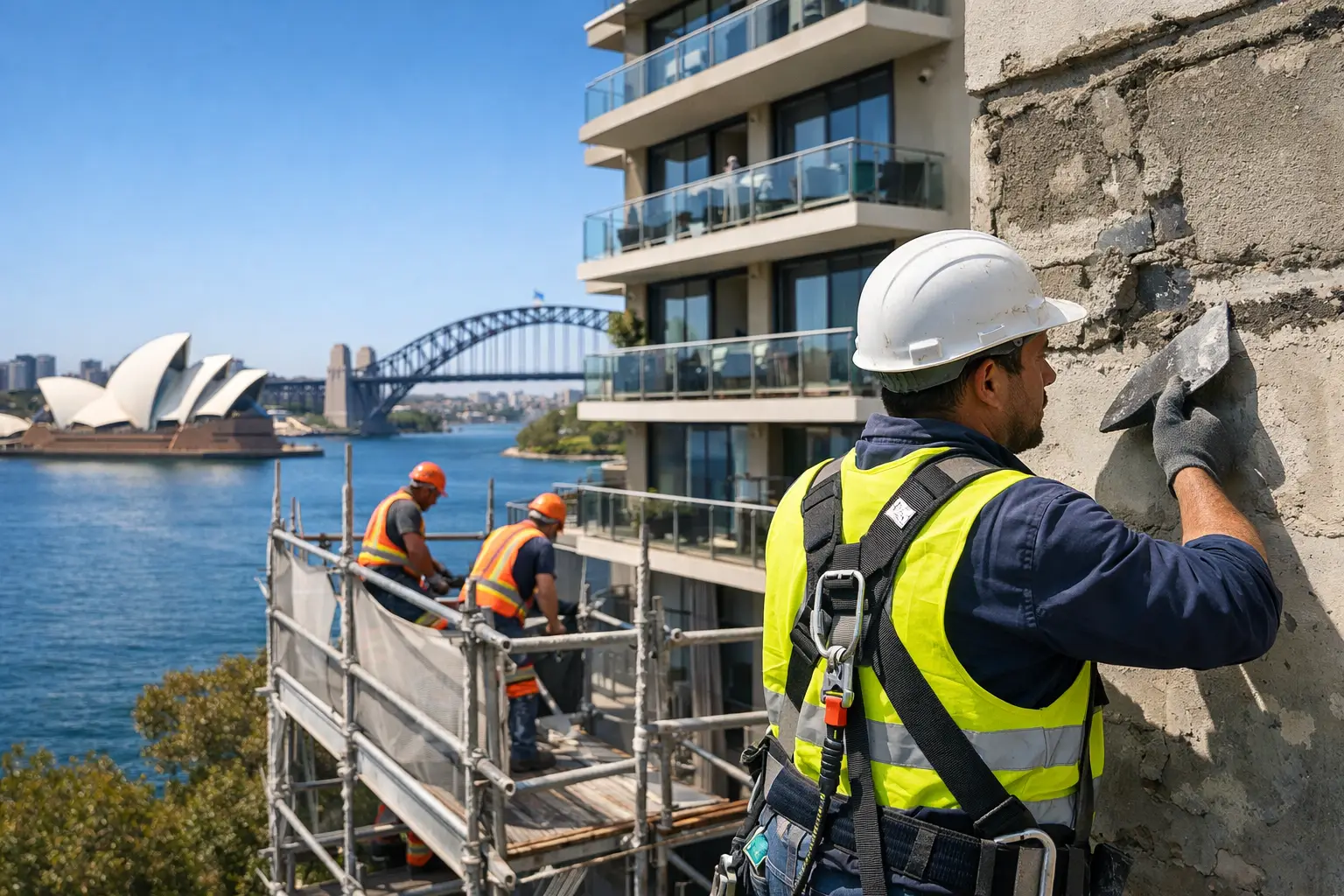
For Sydney buildings in particular, access constraints, occupancy pressures, ageing stock and weather exposure can all influence methodology. Local experience can therefore add practical value, especially where facade access, waterproofing failures or live-site staging are involved.
Why end-to-end delivery changes the outcome
One of the strongest advantages in remediation is continuity from diagnosis through to construction. When the team investigating the problem is aligned with the team planning and delivering the repair, there is less room for disconnect between intent and execution.
That does not remove complexity. It does reduce the chance that critical details are lost between reports, tenders, consultants and subcontractors. For clients, it also creates a more direct line of accountability. The same team that helps define the problem remains responsible for delivering the outcome.
This is where a design and construct model can be particularly effective on the right project. It supports coordination, faster resolution of buildability issues and clearer ownership of programme, methodology and quality controls. The trade-off is that it relies on selecting a contractor with genuine technical depth, not just construction capacity.
Buildings rarely fail all at once. They decline through signs that are easy to postpone until the cost of delay becomes hard to ignore. The most useful time to engage remedial expertise is usually earlier than stakeholders think, when a disciplined investigation can still turn a recurring defect into a manageable project rather than a larger and more disruptive one later.