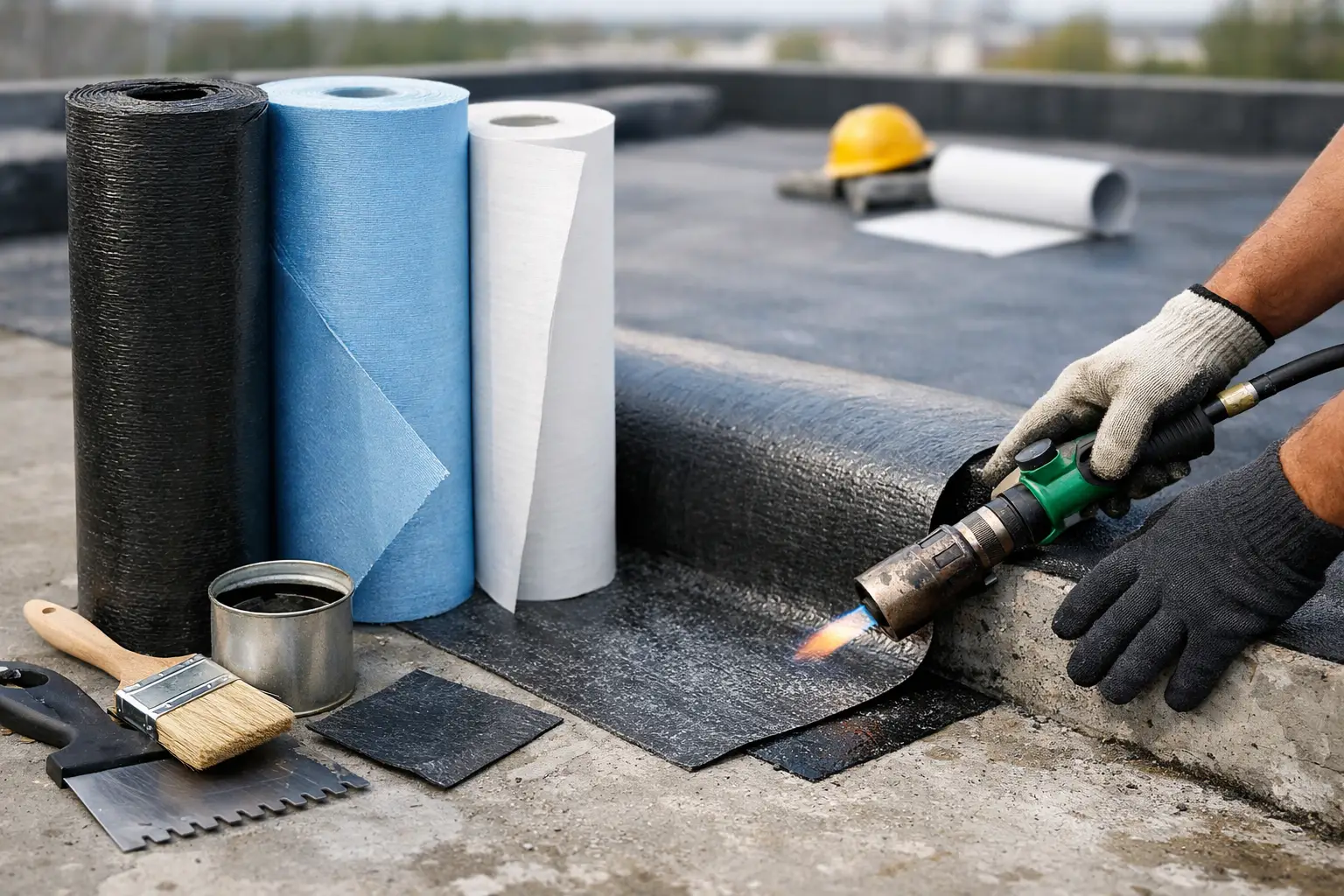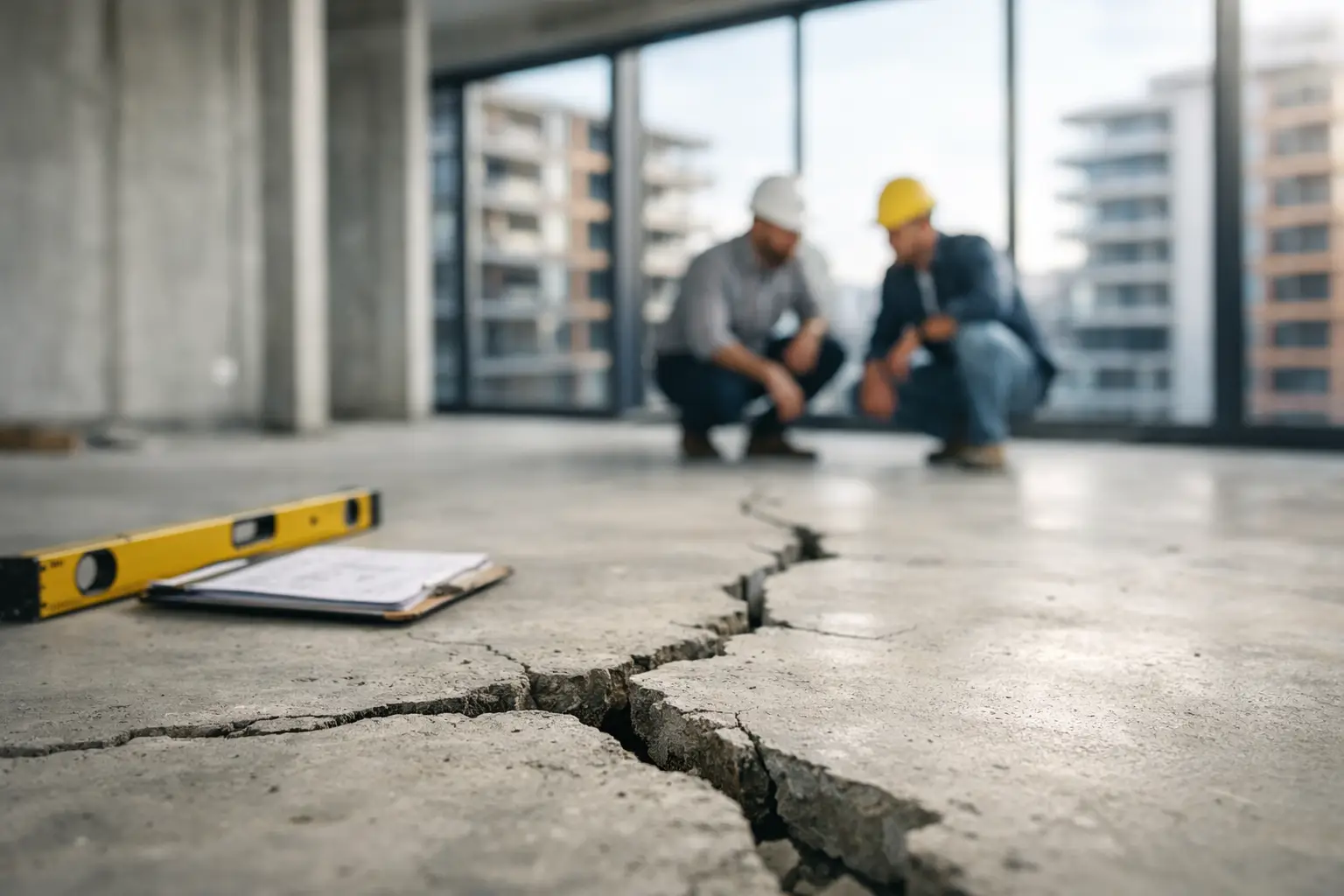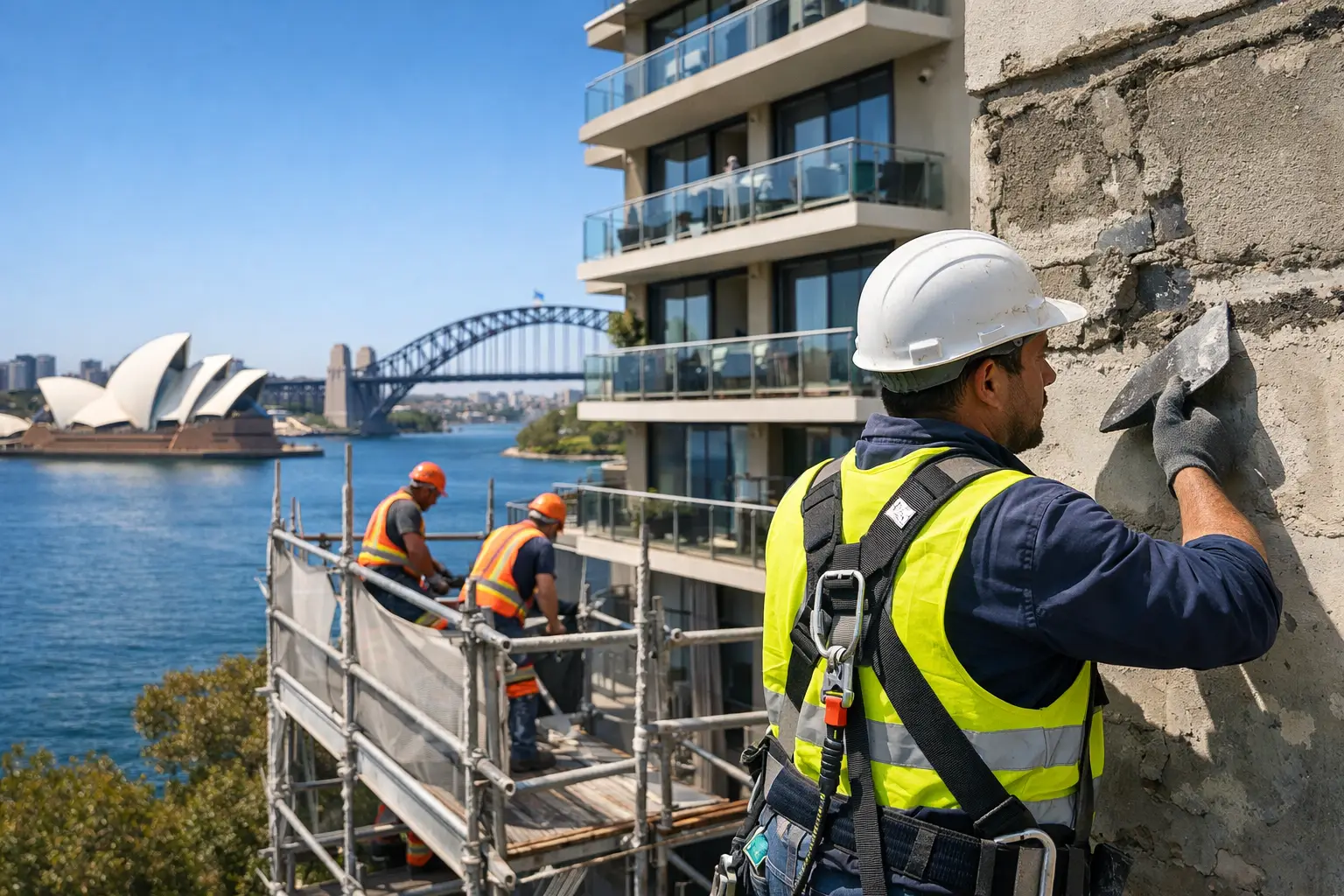
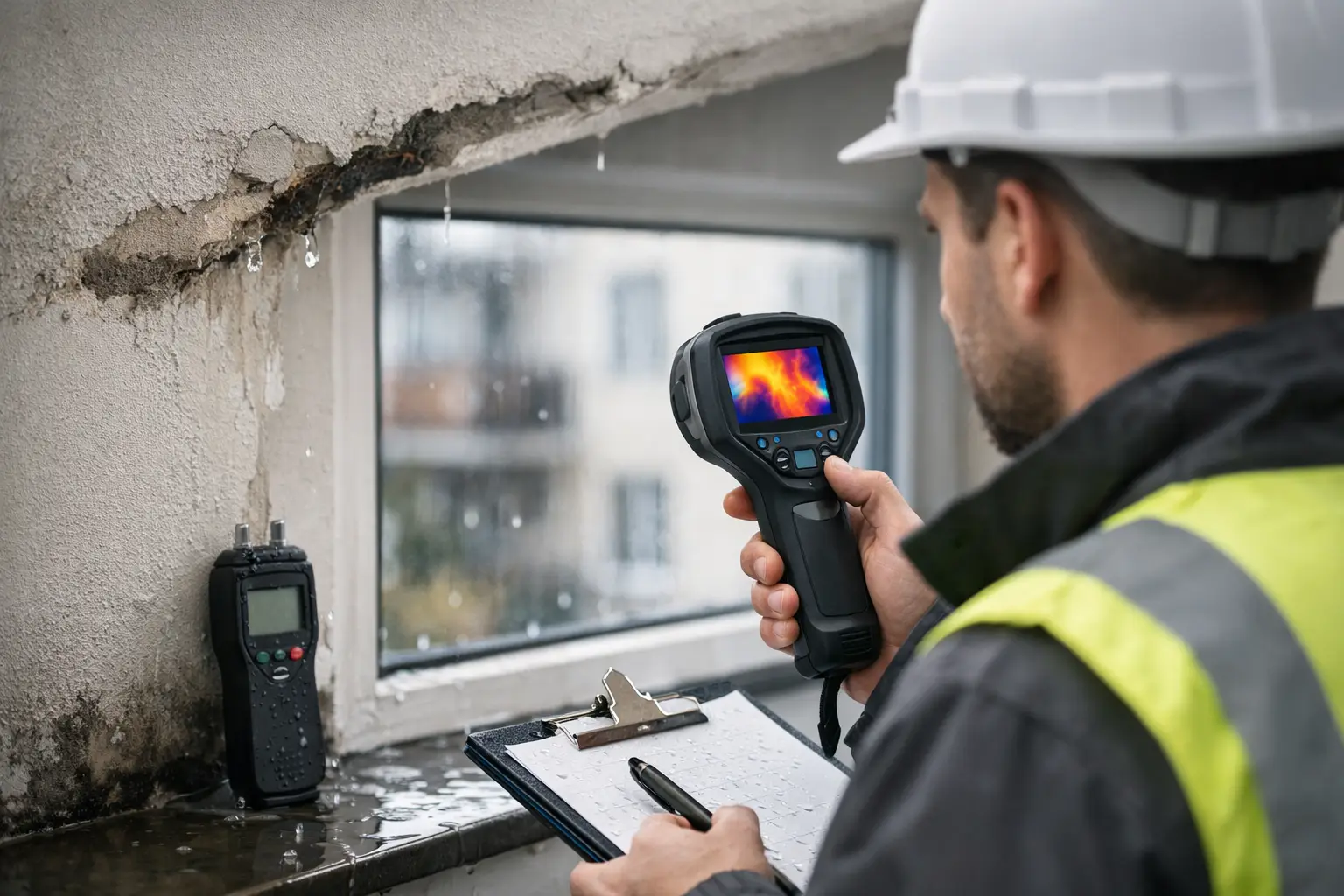
A ceiling stain is rarely just a ceiling stain. By the time water marks appear in a unit, lobby or plant room, moisture may already have travelled through membranes, slab joints, facade interfaces or service penetrations for months. That is why a proper water ingress investigation building process matters – not as a box-ticking exercise, but as the foundation for any repair strategy that needs to last.
For strata committees, owners corporations, asset managers and commercial property stakeholders, the risk is not limited to appearance. Ongoing water entry can drive concrete deterioration, corrosion, mould growth, internal damage, tenant disruption and insurance disputes. It can also lead to wasted expenditure when surface-level repairs are carried out before the true entry point is confirmed.
What a water ingress investigation building process is really trying to establish
A disciplined investigation is not just about locating where water is visible. It is about determining how water is entering, how it is travelling, what building elements are affected, and what rectification pathway is technically appropriate. Those are four different questions, and they often produce four different answers.
In many buildings, the visible symptom sits well away from the source. A leak presenting at an internal wall may originate from a failed podium membrane, defective sealant at facade movement joints, cracking in render, deteriorated flashing, blocked drainage, or poorly detailed balustrade fixings. Without tracing the moisture pathway properly, repair works can be misdirected.
This is where experience matters. Water does not respect trade boundaries. It moves through the interfaces between structure, waterproofing, facade systems, roof elements and services. A reliable investigation therefore needs to consider the building as an assembled system rather than a set of isolated components.
Why misdiagnosis is so common
Water ingress is one of the most commonly reported building defects, yet it is also one of the easiest to misread. There are several reasons for that.
First, water movement is inconsistent. Wind-driven rain, storm intensity, ponding, pressure differentials and usage patterns all affect how and when a leak appears. A defect may only present during certain weather events, which can make it difficult to reproduce.
Second, multiple defects often coexist. A building may have membrane failure on a terrace, open facade joints and inadequate falls to drainage at the same time. If one issue is repaired while the others remain, the leak may reduce but not resolve.
Third, past repairs can distort the evidence. Sealants, patch membranes, repainting and internal make-good works often hide original damage patterns. This can create a false impression that the problem is new or isolated when it has in fact been recurring for years.
Signs that a building needs formal investigation
Not every leak requires a major forensic exercise, but recurring or widespread issues generally do. If water staining keeps returning after minor repairs, the problem should be escalated. The same applies where there is visible cracking, concrete spalling, facade deterioration, swollen finishes, corrosion at embedded steel, or moisture affecting multiple lots or common areas.
For Class 2 and multi-storey assets, an investigation becomes even more important where defect liability, compliance obligations, contractor accountability or insurance implications are involved. In those settings, assumptions create risk. Documented findings matter.
How a water ingress investigation building scope is typically approached
The most effective investigations are structured in stages. The first stage is usually document and background review. This includes available drawings, past repair records, defect reports, waterproofing details, complaint history and any patterns linked to weather or occupancy.
That is followed by a site inspection focused on symptom mapping and defect indicators. Investigators look at both the reported leak locations and the surrounding building elements that may be contributing. Moisture readings, photographic records, crack mapping and condition notes help build an initial hypothesis.
Where required, this is then tested through more targeted methods. Depending on the defect type, that may include flood testing, hose testing, thermal imaging, borescope inspection, drone inspection, invasive opening-up, drainage review or material sampling. The right method depends on the construction type and the suspected failure mechanism. There is no single test that suits every building.
The final stage is interpretation. This is where the evidence is brought together to identify likely ingress points, moisture pathways, affected substrates and the extent of consequential damage. Just as importantly, the investigation should distinguish between immediate defect symptoms and the root cause that must be addressed.
The value of root-cause analysis
Root-cause analysis is often talked about loosely, but in remedial building work it has a very practical meaning. It means separating primary failures from secondary damage.
For example, bubbling paint on an internal wall is not the defect. It is the result of moisture exposure. Replacing plasterboard may be necessary, but it will not solve anything if water is entering through failed facade joints above. Likewise, resealing a cracked tile surface may not help if the real issue is movement in the substrate or a failed membrane beneath.
A root-cause approach avoids repetitive spending. It also supports better programming, because it identifies what must be repaired first and what can be reinstated afterwards. This is particularly important in occupied buildings where access, resident communication and staging need to be managed carefully.
Common sources of water ingress in multi-unit and commercial buildings
In practice, recurring water ingress is often linked to transition points. Roof-to-wall junctions, window perimeters, balconies, terraces, planter boxes, podium slabs, facade penetrations, service risers and basement walls are all high-risk areas because they combine multiple materials and detailing requirements.
Waterproofing failures remain a major contributor, but they are not the only one. In some cases, the membrane itself is sound and the issue sits with poor falls, blocked outlets, deteriorated sealants, cracked render, failed control joints or structural movement. In older assets, age-related deterioration and incompatible past repairs are also common factors.
In Sydney, exposure conditions can intensify these issues. Coastal environments, wind-driven rain and ageing apartment stock can all increase the likelihood of concealed moisture problems, especially where maintenance has been deferred or previous works focused on appearance rather than underlying performance.
Why investigation and rectification should be connected
One of the biggest project risks is the handover gap between diagnosis and delivery. A report may identify probable causes, but if the repair contractor does not understand the investigation logic, the final works can drift away from the original findings.
That is why coordinated delivery has real value. When investigation, engineering input, scope development and remedial construction are aligned, there is far less room for disconnect between diagnosis and execution. Details can be refined with buildability in mind, compliance obligations can be addressed early, and stakeholders have clearer accountability from start to finish.
This does not mean every issue requires extensive invasive works or a complete rebuild. Some defects are localised and can be rectified efficiently. But the decision should come from evidence, not optimism.
What decision-makers should expect from the findings
A useful investigation outcome should do more than say water is present. It should explain the likely source or sources, the mechanism of entry, the building elements affected, the level of urgency and the recommended next steps. Where the cause cannot be confirmed without further opening-up or testing, that should be stated clearly rather than glossed over.
Decision-makers should also expect clarity around scope boundaries. Water ingress issues can expand once finishes are removed and concealed damage becomes visible. A credible consultant or remedial contractor will be upfront about that uncertainty and structure the process so variations are evidence-based rather than speculative.
For strata and commercial stakeholders, this level of clarity supports better budgeting, better communication with occupants and better procurement decisions. It also reduces the risk of appointing multiple parties to carry out fragmented works that do not resolve the underlying defect.
Compliance, documentation and long-term asset performance
Water ingress is not only a maintenance issue. In many cases it intersects with statutory obligations, safety concerns and broader asset management planning. Persistent moisture can affect structural durability, internal air quality, electrical safety and the performance of adjoining building systems.
That is why the investigation stage should be documented properly. Records of observed defects, testing methods, limitations, findings and recommended actions create a basis for approvals, engineering coordination and future remedial works. They also help owners corporations and asset managers demonstrate that defects are being addressed in a methodical and responsible way.
For complex buildings, the best outcome is rarely the fastest cosmetic fix. It is the repair pathway that resolves the defect mechanism, suits the building’s construction, and supports durable performance over time.
A sound investigation gives you that pathway. It replaces guesswork with evidence, aligns stakeholders around the actual problem, and makes every subsequent repair decision more defensible. When water is entering a building, that discipline is not an extra step. It is the step that stops the cycle from repeating.