Budgeting for a spalling balcony, soffit or facade is difficult when the visible damage is only part of the story. Concrete cancer repair cost can vary sharply from one building to the next because the true scope is driven by what sits behind the cracked or delaminated concrete – corrosion, water ingress, inadequate cover, failed membranes, poor detailing, or a mix of all of them.
For strata committees, owners corporations and commercial asset managers, that uncertainty is often the most frustrating part of the process. A small patch of damaged concrete can look manageable, yet once the area is opened up, the extent of corrosion may be materially larger. That is why reliable pricing starts with diagnosis, not guesswork.
What affects concrete cancer repair cost
At a high level, concrete cancer occurs when embedded steel reinforcement corrodes and expands, causing the surrounding concrete to crack, delaminate and break away. The repair is not simply a matter of filling the damaged area. A compliant, durable scope must address the cause of deterioration, the condition of the reinforcement, the repair methodology, and any related waterproofing or facade issues.
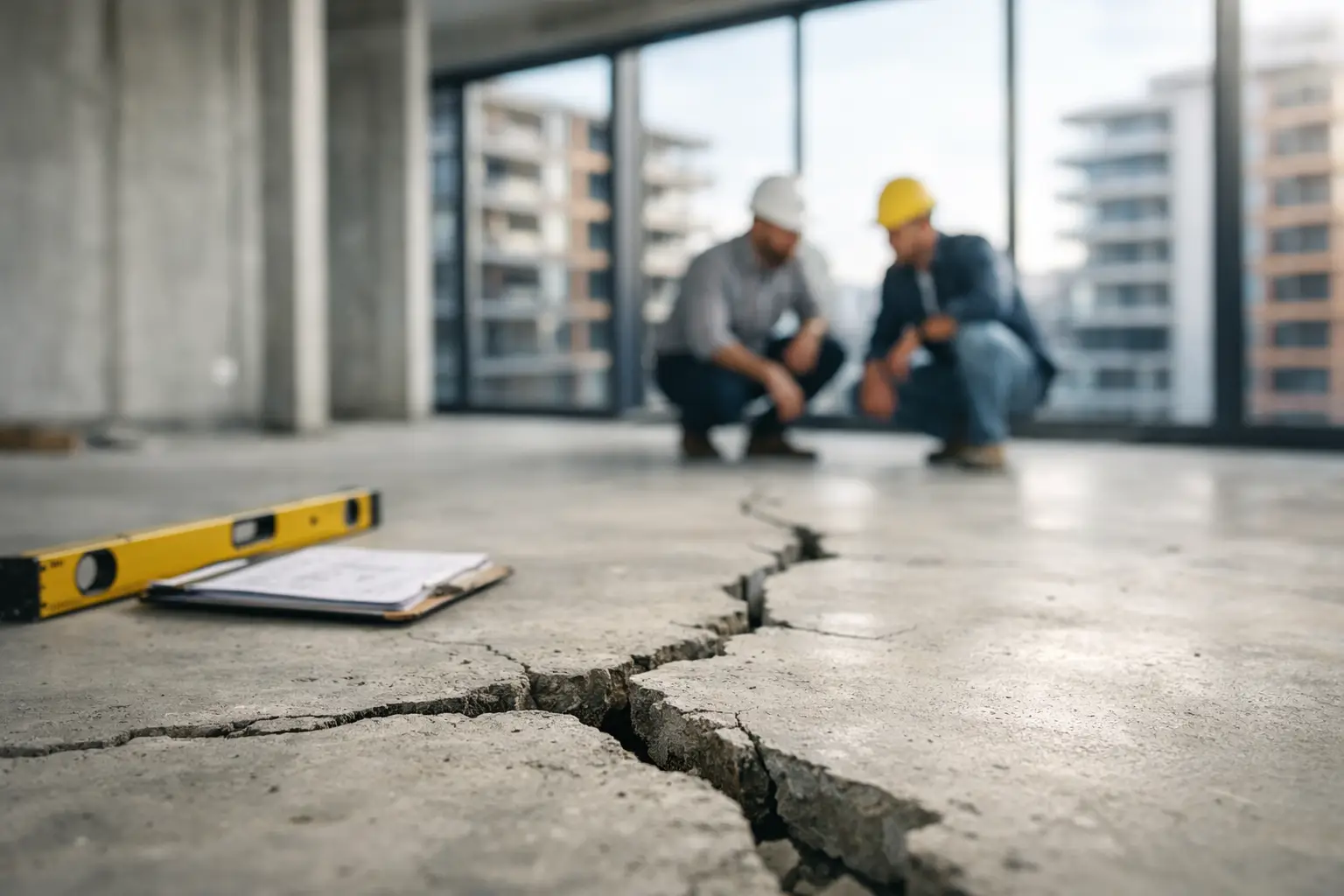
The first major cost driver is extent of damage. Localised spalling in a few isolated areas is very different from widespread deterioration across slabs, beams, columns or balustrades. The visible footprint rarely tells the full story. Sounding, hammer testing, cover assessment and selective breakout often reveal that adjacent concrete is already debonded or that reinforcement loss extends beyond the obvious crack line.
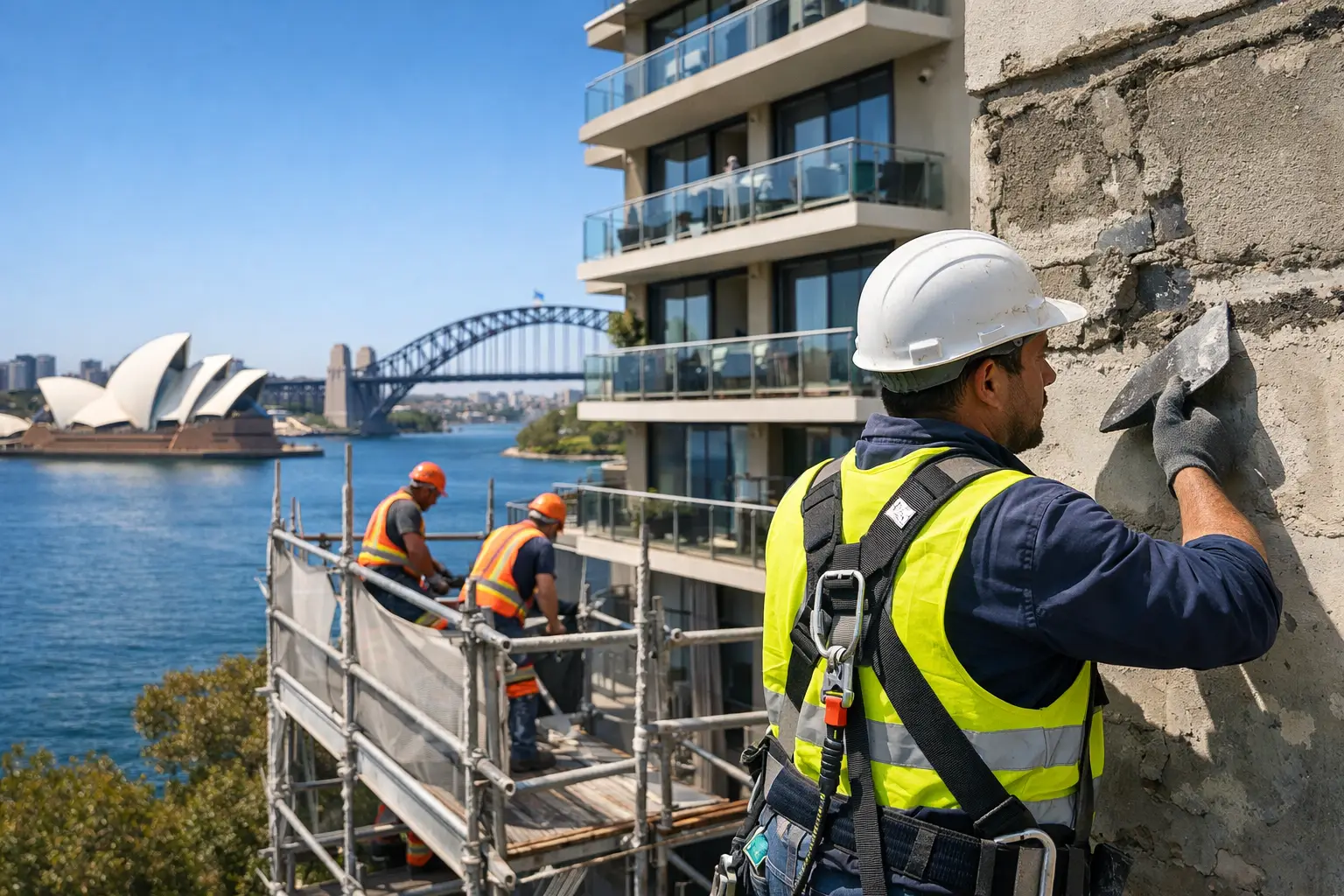
Access is another major variable. Repairs at ground level are generally simpler than works to high-rise balconies, suspended slabs, basements with restricted clearance, or occupied commercial buildings. Scaffold, mast climbers, swing stages, edge protection, traffic control and site logistics can represent a significant portion of overall cost, particularly on facade projects.
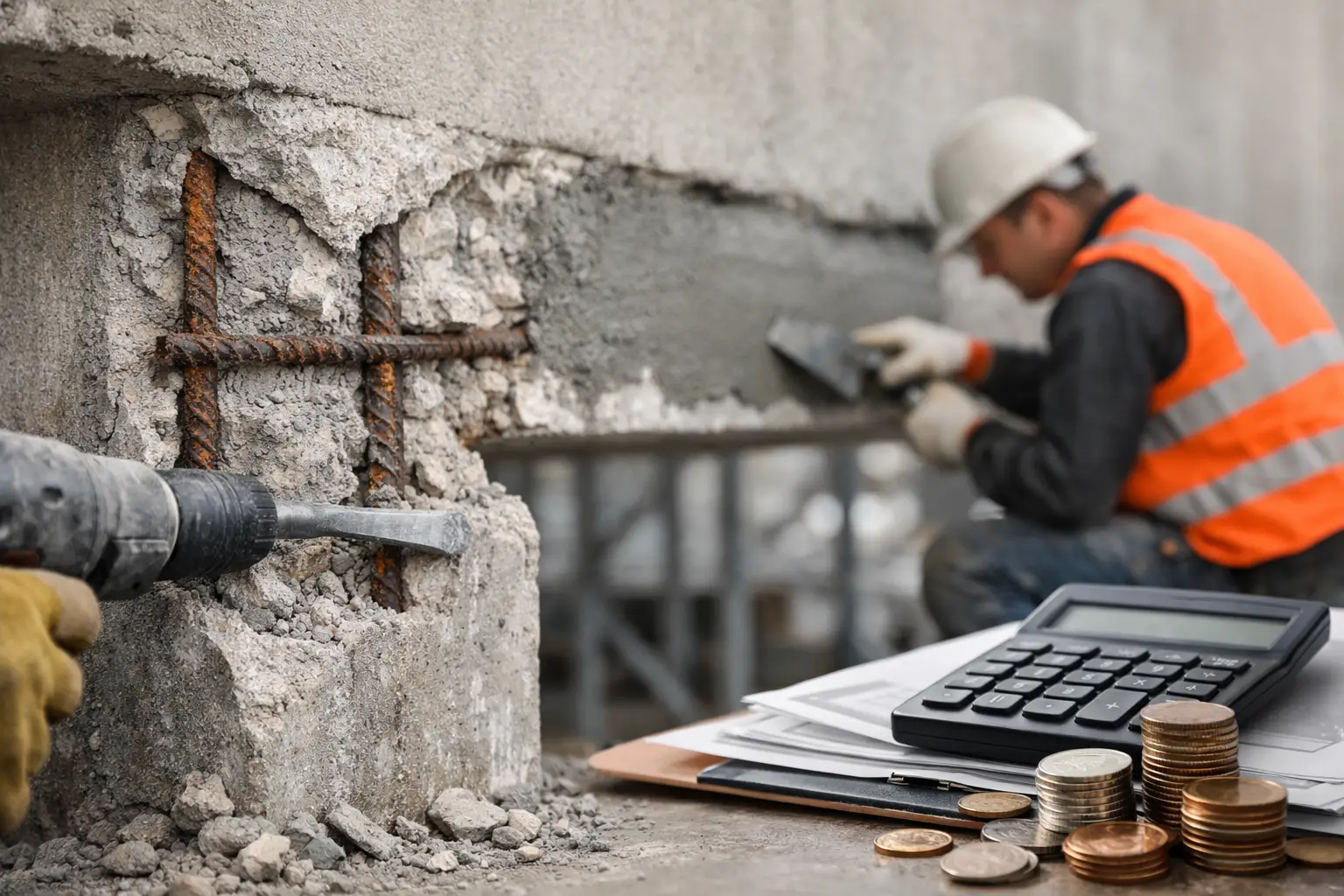
The severity of reinforcement corrosion also matters. If steel has only minor surface corrosion, cleaning and passivation may be sufficient within an engineered repair system. If section loss is substantial, the steel may need supplementation or replacement in accordance with engineering advice. Once structural implications enter the scope, costs rise because the repair is no longer cosmetic – it becomes part of the building’s structural remediation.
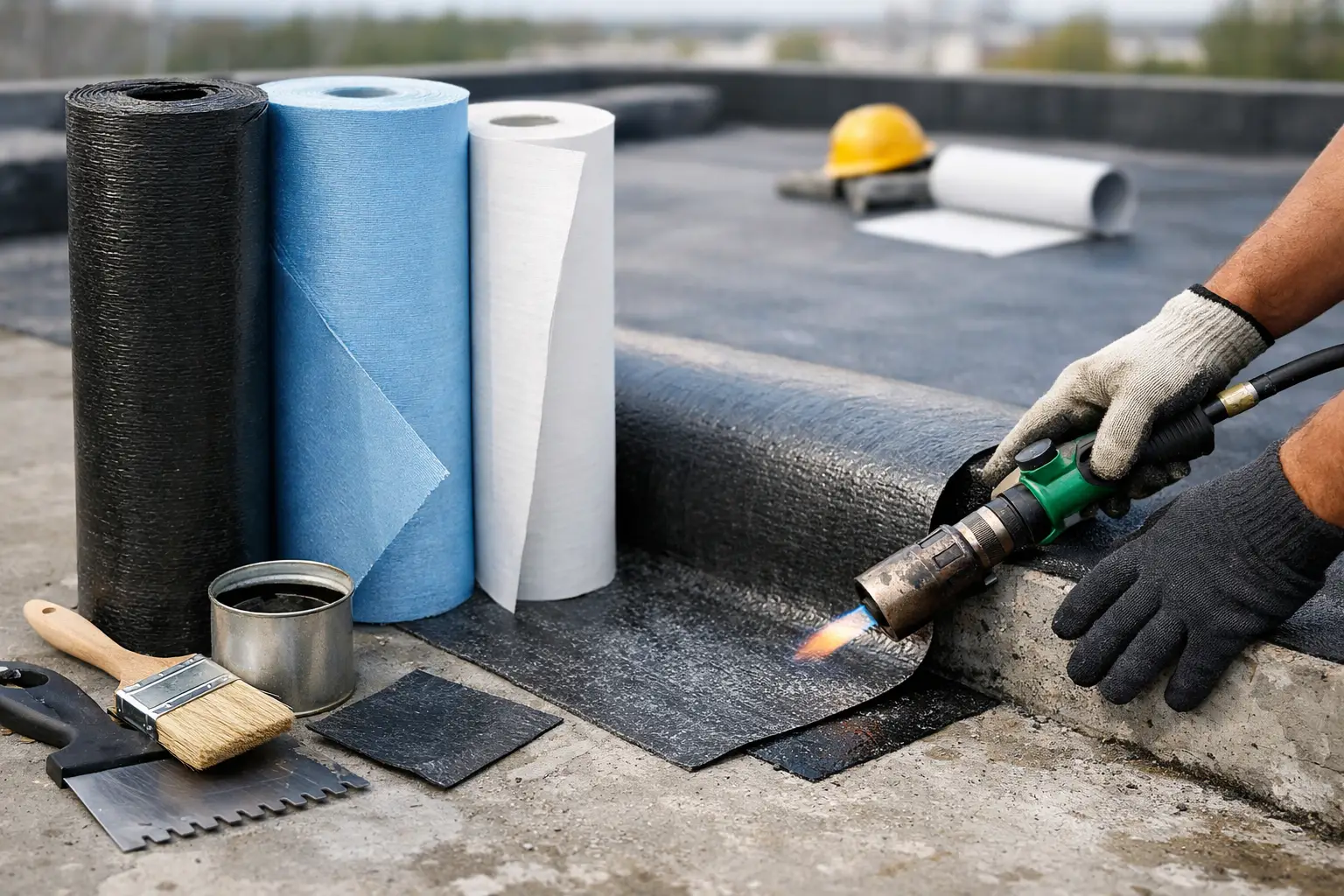
Related defects often sit in the background. Concrete cancer is frequently linked to failed waterproofing, inadequate falls, cracked coatings, failed sealants, carbonation, chloride ingress or poor drainage. If those issues are left untreated, the repair may look complete but deteriorate again. Proper remedial works therefore tend to involve surrounding systems, not just the concrete breakout itself.
Why two quotes can be far apart
If you receive one low quote and one much higher quote, the difference is usually not just margin. It often reflects a different understanding of scope.
A patch-only allowance may include breakout of visibly loose concrete, a basic repair mortar and repainting of the affected spot. That can produce an attractive upfront figure, but it may exclude investigation, adjacent delamination, reinforcement treatment, membrane replacement, protective coatings, engineer inspections, waste handling, access systems and compliance documentation.
A more rigorous quote usually allows for staged investigation, controlled demolition, steel treatment, reinstatement with compatible repair materials, surface preparation, protective coating systems and rectification of contributing defects. It may also include engineer coordination, inspections, hold points and site management requirements. The number is higher because the contractor is pricing the actual building risk, not only the exposed symptom.
For strata and commercial stakeholders, this distinction matters. The cheapest price can become the most expensive outcome if the repair fails early, expands during construction, or leaves unresolved liability around safety and code compliance.
Typical pricing approach for concrete cancer repair cost
There is no universal square metre rate that applies across all projects. In practice, contractors may price concrete cancer works as a combination of preliminaries, access costs, investigation allowances and measured repair quantities.
Localised repairs are often assessed by the number and size of affected zones, but the final cost still depends on breakout depth, reinforcement condition and finish requirements. Broader facade or slab remediation may involve rates for breakout and reinstatement, corrosion treatment, coating systems and associated waterproofing or sealant replacement.
For many Sydney buildings, the biggest budgeting mistake is assuming the repair cost sits only in the patching work. On multistorey sites, access, protection of occupied areas, waste management, programming around residents or tenants, and compliance administration can materially shift the project total. Where the building remains operational, staging and communication also become part of the cost structure.
That is why early budget figures should be treated as provisional until the defect has been properly investigated. A disciplined contractor should be able to explain what is known, what is assumed, and what may change once exploratory works confirm the full extent.
Hidden costs that owners should expect
Concrete cancer repair cost is rarely limited to the repair mortar and labour. There are often secondary items that prudent asset planning should include.
One is investigation. Before finalising scope, there may be costs for defect assessment, engineer review, sounding and chain drag testing, concrete cover checks, carbonation or chloride testing, and selective demolition. These steps can feel like an added expense, but they usually reduce downstream variation risk.
Another is reinstatement of finishes. Once the structural repair is complete, surrounding coatings, membranes, tiles, render or paint systems may need to be reinstated to maintain weatherproofing and visual consistency. On balconies, planter boxes, balustrade interfaces and door thresholds can complicate the detail. On facades, matching finishes across aged elevations may require broader treatment than the original patch area suggests.
Temporary works and safety controls also need to be considered. Propping, exclusion zones, overhead protection and scaffold compliance are not optional on many projects. If there is active concrete delamination above public or resident areas, urgency can also affect cost because emergency mobilisation is rarely the most efficient delivery model.
How to control repair cost without cutting corners
The most effective way to manage cost is to define the problem accurately and sequence the works properly. A staged approach often delivers better value than rushing into repairs based on surface appearance alone.
Start with investigation and root-cause analysis. If water ingress from failed membranes, planter drainage, facade cracks or defective joints is driving corrosion, that needs to be addressed within the same strategy. Otherwise, the concrete repair becomes a temporary interruption to a continuing deterioration cycle.
Next, ensure the repair scope is coordinated. Structural engineer input, remedial design, access planning, material selection and construction methodology should work together. Fragmented delivery often creates gaps between diagnosis and execution, which is where omissions and variations appear.
It also helps to think in terms of lifecycle cost rather than upfront spend. A properly designed and executed repair may cost more initially, but it can avoid repeat access costs, resident disruption, further steel loss and future emergency work. For buildings with extensive deterioration, bundling concrete repairs with waterproofing, facade restoration or coating renewal can also improve efficiency.
Questions to ask before approving a quote
Before accepting a proposal, ask what assumptions sit behind the price. Has the contractor allowed for investigation-driven scope change? What reinforcement treatment is included? Are coatings or membranes part of the repair system or excluded? Who is coordinating engineering review and compliance requirements? What access methodology has been allowed for, and does it suit the building’s occupancy and constraints?
You should also ask whether the quote addresses root cause or only visible damage. If a balcony slab has concrete spalling because the membrane has failed, patching the soffit below may not solve the problem. If a facade edge beam is carbonated across a larger area, isolated patching may not be enough to achieve a durable outcome.
Clear answers to those questions usually indicate a more reliable contractor. Vague allowances and generic exclusions usually indicate budget uncertainty waiting to surface later.
When urgent repairs become more expensive
Delaying action often increases concrete cancer repair cost. Corrosion does not stabilise on its own. As steel expands, the surrounding concrete continues to crack and lose bond, exposing more reinforcement to moisture and contaminants. What begins as a localised defect can spread into a broader structural and facade issue.
There is also a risk management factor. Loose concrete over entries, footpaths, loading zones or balconies introduces safety exposure that may require urgent make-safe works, access restrictions or temporary protection. Once a defect moves from maintenance issue to active hazard, the building owner loses flexibility in timing and procurement.
For this reason, early intervention generally produces better value than deferred reaction. It gives stakeholders time to investigate properly, obtain coordinated advice and deliver the work in a planned manner rather than under pressure.
The right budget for concrete remediation is not the lowest number on the page. It is the one based on evidence, coordinated scope and a repair strategy that deals with the cause as well as the damage. When that discipline is in place, cost becomes easier to justify because the outcome is clearer, more durable and far less likely to return as the same problem next year.