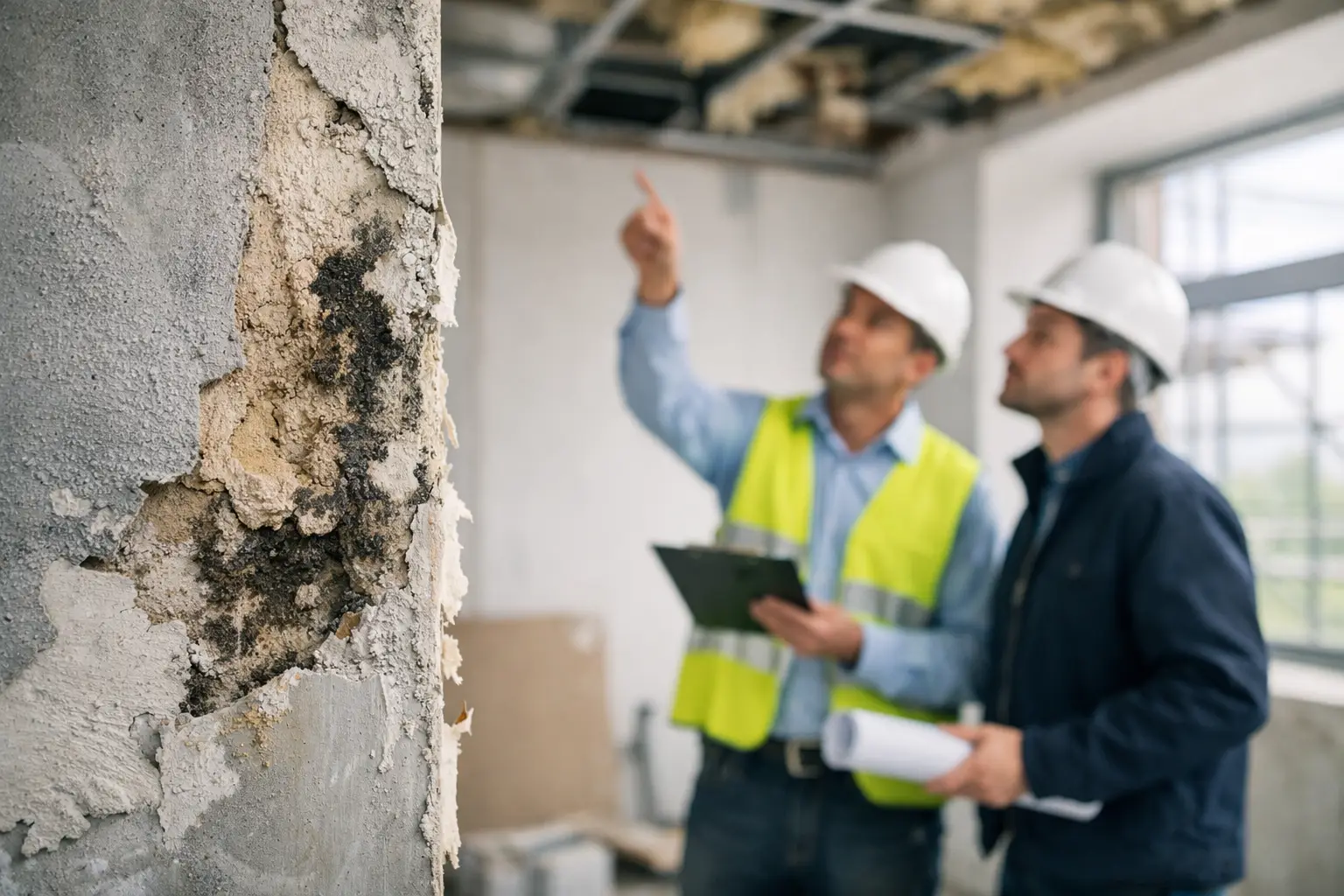
When a building shows signs of failure – recurring water ingress, concrete spalling, cracking, facade movement or membrane breakdown – the real risk is not just the visible damage. It is whether the remediation approach aligns with building remediation Australian Standards, the National Construction Code, and the project-specific design and approval pathway needed to rectify the cause rather than patch the symptom.
For strata committees, owners corporations, asset managers and commercial property stakeholders, that distinction matters. A repair that looks acceptable on handover can still fail early if the wrong standard was applied, if incompatibility between materials was ignored, or if the scope was built around convenience instead of diagnosis. Good remediation starts with technical clarity and ends with documented compliance.
What building remediation Australian Standards actually involve
There is no single Australian Standard called up as the one document for all remediation works. That is where many projects go wrong. Building remediation usually sits across a framework of standards, codes, manufacturer requirements, engineering documentation, and statutory obligations that must be interpreted together.
The applicable standards depend on the defect and the building element being repaired. Waterproofing works may require one set of documents and inspection points. Concrete repair, structural strengthening, facade replacement, balustrade rectification or heritage restoration may require entirely different technical references. In Class 2 buildings, the compliance pathway may also involve registered design practitioners, declared designs and regulated building work obligations depending on the scope.
That means compliance is rarely a box-ticking exercise. It is a process of establishing what applies, what condition the substrate is in, what performance the repaired element must achieve, and how the works will be verified during construction.
Why standards matter in remedial building works
In new construction, compliance is generally assessed against a planned design before the building is occupied. In remediation, the starting point is usually uncertainty. The defect may have developed over years. Previous repairs may have altered the original assembly. Access limitations, latent damage and incomplete records are common.
That is why standards matter so much in remedial work. They create a technical baseline for assessment, design, workmanship and testing. More importantly, they help determine whether the repair strategy is actually suitable for the building as it exists today, not as it was originally intended to perform.
This is especially relevant in older apartment buildings and commercial assets across Sydney, where repeated exposure, deferred maintenance, poor drainage detailing and incompatible past repairs often combine into a more complex failure pattern. In those cases, the compliant answer is not always the fastest or cheapest one. Sometimes localised patching is appropriate. Sometimes a broader replacement or redesign is the only defensible option.
The standards and codes commonly considered
The exact set of documents will vary, but building remediation projects often draw from the National Construction Code, relevant Australian Standards, state legislation, engineering specifications and product system requirements.
Waterproofing and water ingress
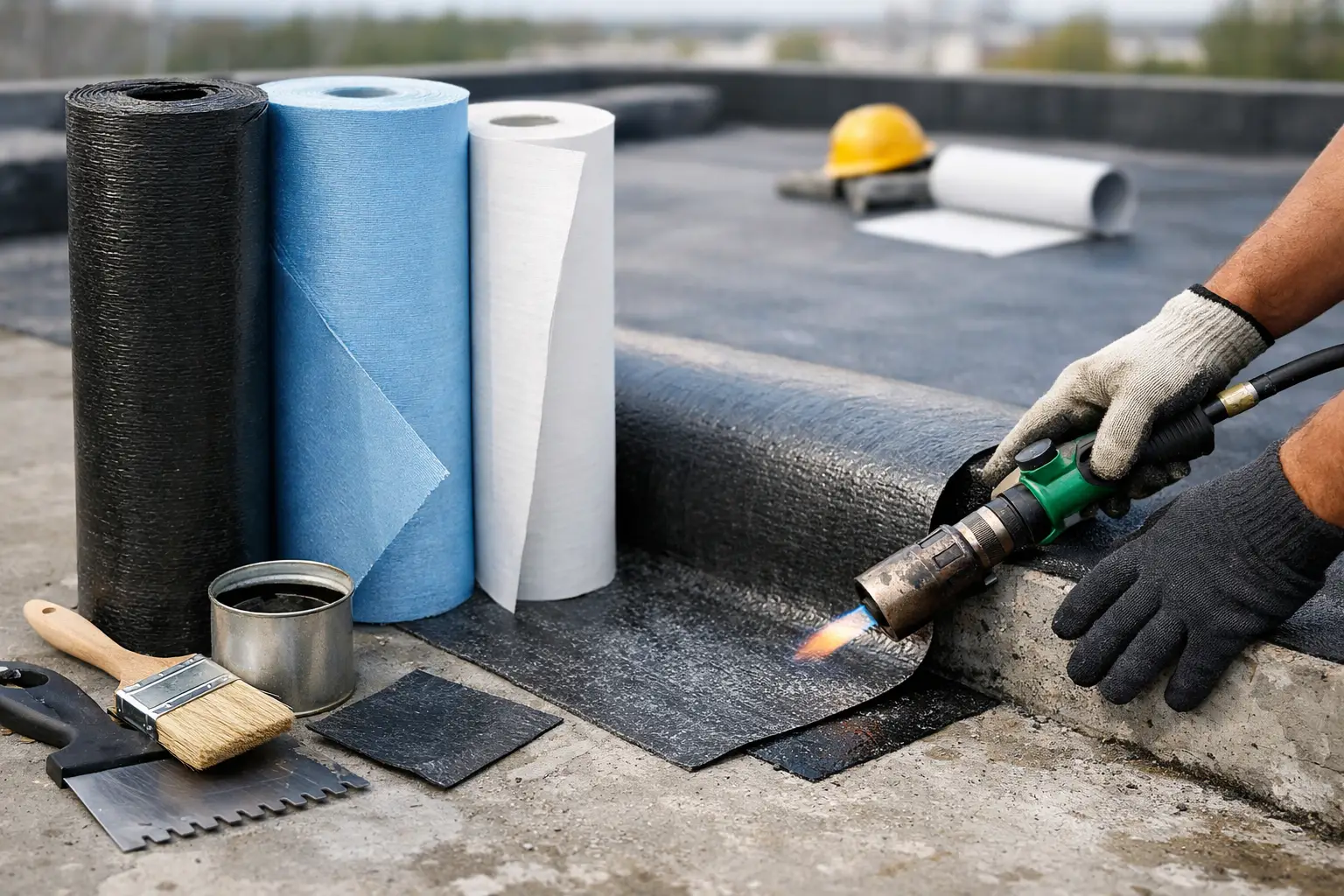
Waterproofing remediation commonly involves standards relevant to internal wet areas, external membranes, falls, drainage integration, movement joints and substrate preparation. The challenge is that membrane failure is often not just a membrane issue. If falls are inadequate, thresholds are poorly detailed, flashings are interrupted or cracking is active, compliance requires more than reapplying a coating.
A compliant waterproofing scope should address the full assembly, including preparation, termination details, compatible primers and sealants, and flood or performance testing where appropriate. Without that coordination, a nominally compliant product can still be installed into a non-compliant system.
Concrete repair and structural deterioration
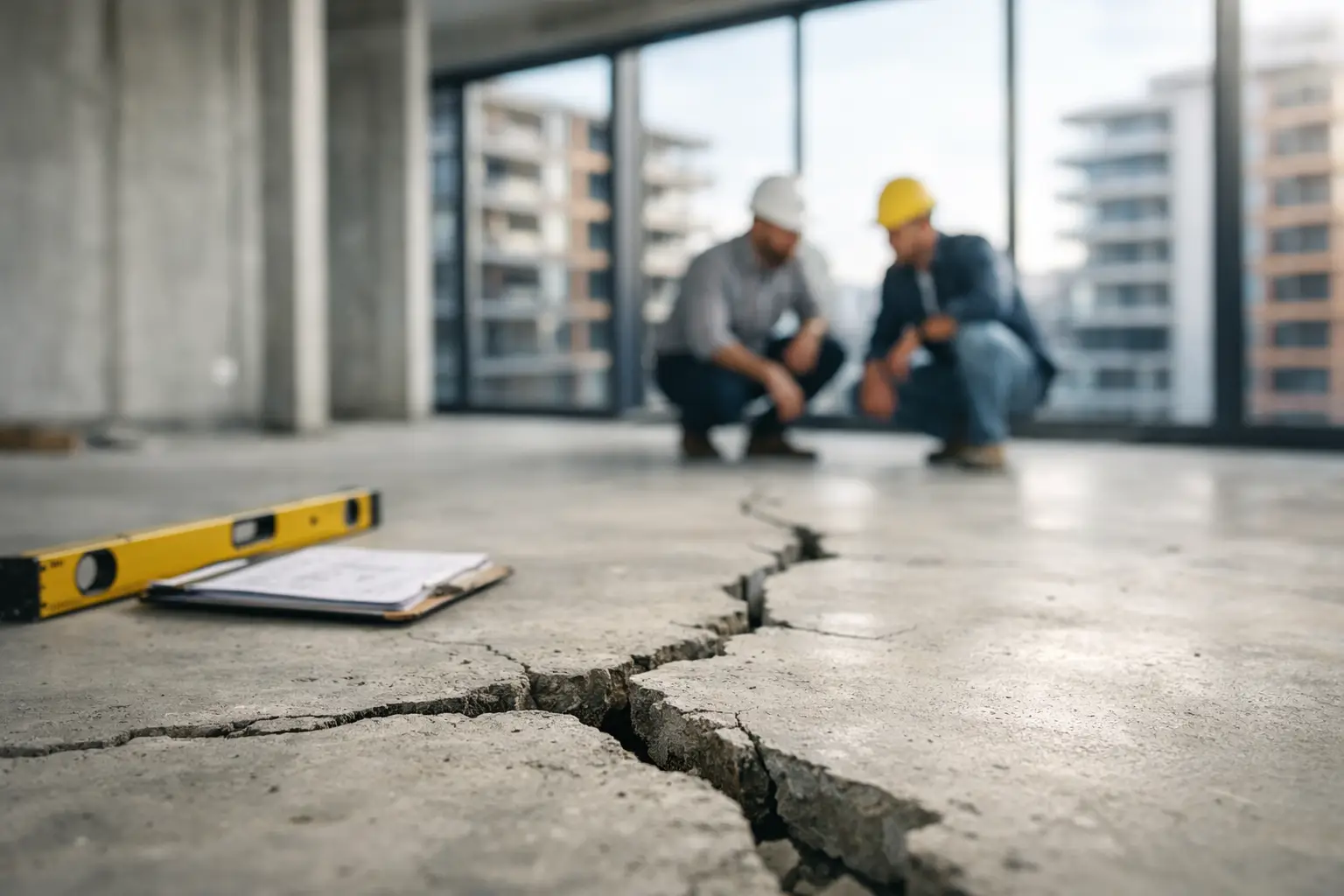
For concrete cancer, cracking and structural remediation, the governing requirements may involve standards for assessment, repair materials, reinforcement treatment, structural design and durability performance. What matters is not only making the concrete look sound again, but understanding why corrosion initiated in the first place.
Carbonation, chloride ingress, inadequate cover, water penetration and failed protective coatings all point to different repair responses. A standard patch repair may be suitable in one area, while another elevation may require more extensive breakout, steel replacement, cathodic protection consideration, coating systems or structural strengthening. The standard informs the method, but diagnosis determines whether that method is enough.
Facade and external envelope works
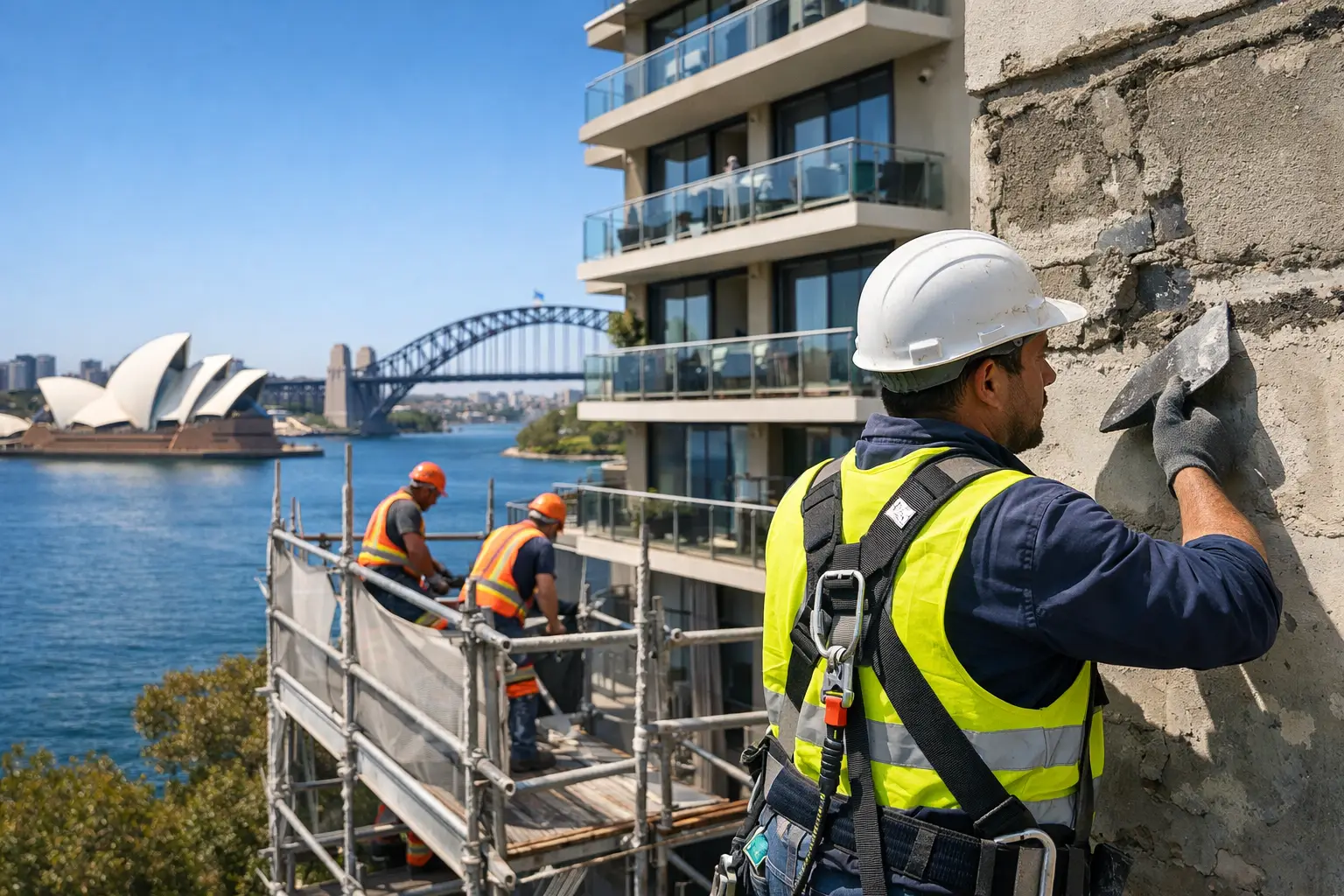
Facade remediation often sits at the intersection of structural performance, waterproofing, fire considerations, movement, glazing, sealant compatibility and access methodology. This is where fragmented contractor scopes create risk. If sealant replacement is done without addressing failed backing structures, or if render repair ignores substrate movement, the issue returns.
Australian Standards in this area do not operate in isolation. They must be read with the design intent, the observed defect pattern and any engineering advice so the repaired facade performs as a whole system.
Compliance is not just about the product selected
One of the most persistent misconceptions in remedial construction is that compliance can be achieved by specifying a branded product with a data sheet. In reality, standards are implemented through the full chain of project delivery – investigation, design, scope definition, sequencing, installation, inspection, testing and records.
For example, a membrane may be suitable on paper but fail because the substrate moisture content was wrong, the falls were not corrected, bond breakers were omitted or the detailing at penetrations was inconsistent with the system requirements. Likewise, a concrete repair mortar may meet the right criteria yet perform poorly if unsound concrete was not fully removed or corrosion to adjacent steel was left untreated.
This is why accountable remediation relies on coordinated delivery. Compliance lives in the details, and the details are rarely isolated to one trade.
How a compliant remediation pathway is usually established
The most reliable projects begin with investigation, not quoting. That means identifying the defect mechanism, reviewing the building element in context and defining the performance outcome before repair methods are locked in.
1. Defect investigation and root-cause analysis
This stage may include visual assessment, intrusive opening up, moisture mapping, hammer sounding, concrete testing, facade inspection, engineer review and analysis of previous failures. The goal is to determine what is failing, why it is failing, and whether the damage extends beyond the visible area.
Without that work, the standard cannot be correctly applied because the problem itself has not been accurately defined.
2. Design and specification coordination
Once the cause is understood, the remediation scope should be documented through an appropriate design and specification process. Depending on the project, this may involve engineers, waterproofing consultants, facade specialists, architects or registered design practitioners.
At this point, the relevant standards are translated into project-specific requirements. That includes repair extents, material systems, interface detailing, sequencing, quality controls and hold points. This is where a disciplined Design and Construct approach can be effective, provided the design responsibility and compliance documentation are properly managed.
3. Construction verification
During delivery, compliance should be verified through inspections, test results, photographic records, substrate checks and staged sign-off. If latent conditions are found, the scope may need to be adjusted. That is normal in remediation. What matters is that changes are assessed properly rather than improvised on site.
Where projects commonly fall short
Most remediation failures are not caused by a complete absence of standards. They happen because the standard was applied too narrowly or too late.
A strata building may commission balcony repairs without addressing the planter boxes driving moisture migration. A commercial facade project may focus on sealant joints while overlooking slab edge corrosion. A basement leak repair may target the crack line but miss hydrostatic pressure, drainage failure or movement in the surrounding structure.
There is also a commercial temptation to reduce scope to secure approval. That can be understandable when budgets are under pressure, but it creates long-term cost if the selected scope does not satisfy the actual defect condition. In many cases, the cheaper repair is only cheaper until access, disruption and reinstatement need to be repeated.
What clients should ask before approving works
Property stakeholders do not need to become technical specialists, but they should expect clear answers to a few critical questions. What standards and codes are relevant to this scope? Has the root cause been confirmed or assumed? Is the repair localised because that is appropriate, or because broader investigation has not been done? Who is responsible for design coordination, inspection and compliance records?
Those questions help expose whether the proposal is based on a considered remediation pathway or a surface-level repair methodology.
For higher-risk assets, especially Class 2 buildings, the answer should also explain how the works interact with statutory requirements, regulated design responsibilities and any approval obligations. Clarity at the start reduces disputes later.
A practical view of durable compliance
Durable remediation is rarely about doing the maximum amount of work. It is about doing the right work, to the right standard, with the right verification. Sometimes that means a targeted repair. Sometimes it means staged remediation aligned to budget and risk. Sometimes it means accepting that the visible defect is only the final symptom of a broader building envelope or structural issue.
That is why building remediation should be treated as a technical construction exercise, not a maintenance patch. For clients managing ageing residential or commercial buildings, the strongest position is to insist on evidence-led scoping, coordinated design input and construction accountability from diagnosis through completion.
When standards are properly understood and applied, they do more than satisfy compliance. They help protect the asset, reduce repeat failures and give decision-makers a clearer basis for spending money where it will actually hold up over time.