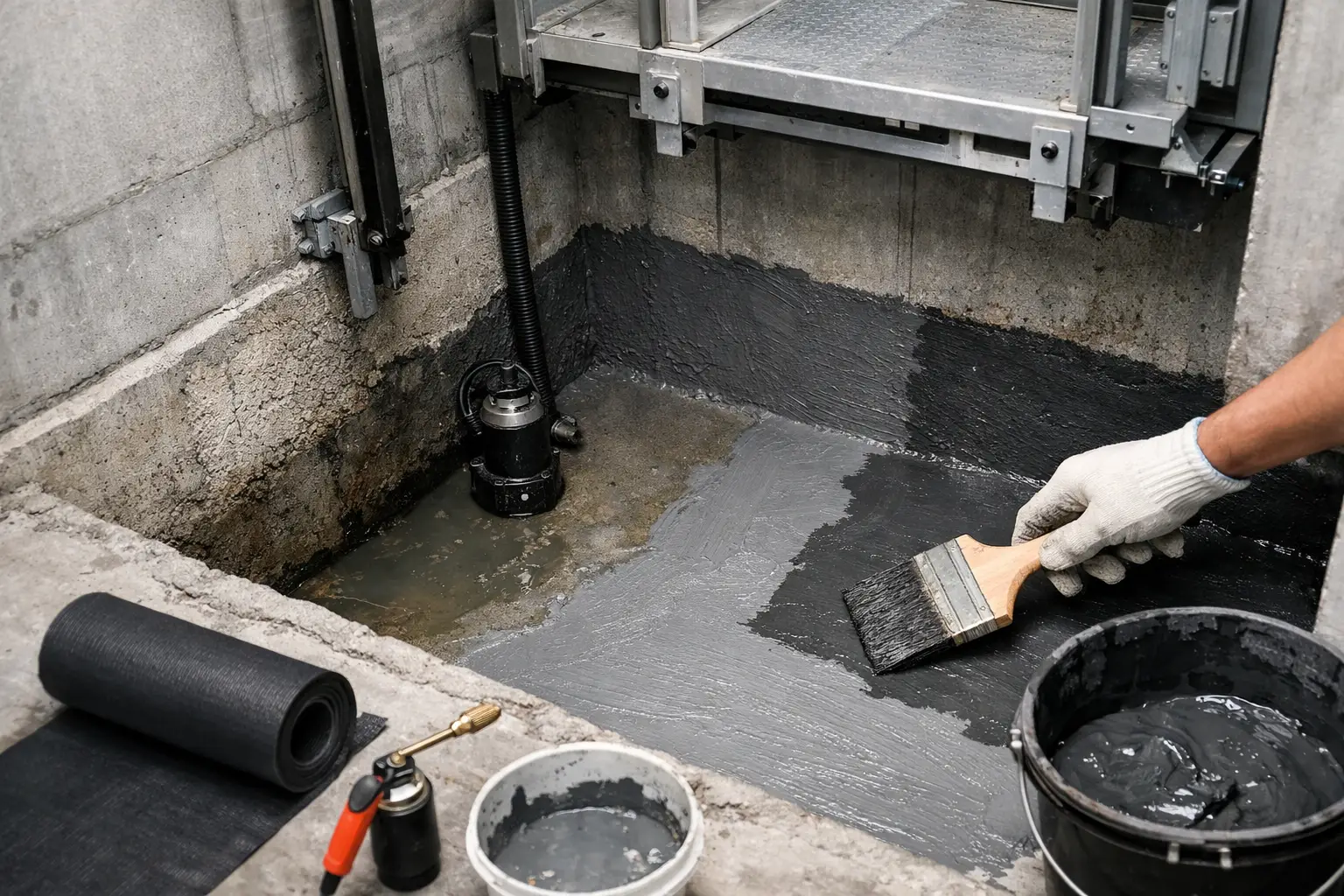
A wet lift pit is not a minor maintenance issue. Water at the base of a lift shaft can affect electrical equipment, corrode steel components, accelerate concrete deterioration and disrupt building operations. Selecting the best lift pit waterproofing options starts with identifying how water is entering the structure, rather than applying a coating to the visible damp area and hoping the problem disappears.
For strata and commercial building stakeholders, the right solution must account for groundwater pressure, the lift manufacturer’s requirements, safe access, concrete condition and the practical limitations of working around an operating lift. The most effective outcome is usually a coordinated repair strategy, not a single product.
Why lift pit leaks require investigation first
Lift pits sit below ground level and are commonly subject to hydrostatic pressure from groundwater. Water may enter through construction joints, cold joints, wall-floor junctions, service penetrations, cracks in the concrete, failed external membranes or poorly detailed drainage. In some buildings, surface water is also finding its way down the lift shaft through failed thresholds, door surrounds, basement drainage issues or leaking services.
The source is not always obvious from inside the pit. A crack that appears to be the problem may simply be the point at which water has found a path through a larger failure in the external waterproofing system. Likewise, an internal membrane can conceal active water pressure without resolving the defect that caused it.
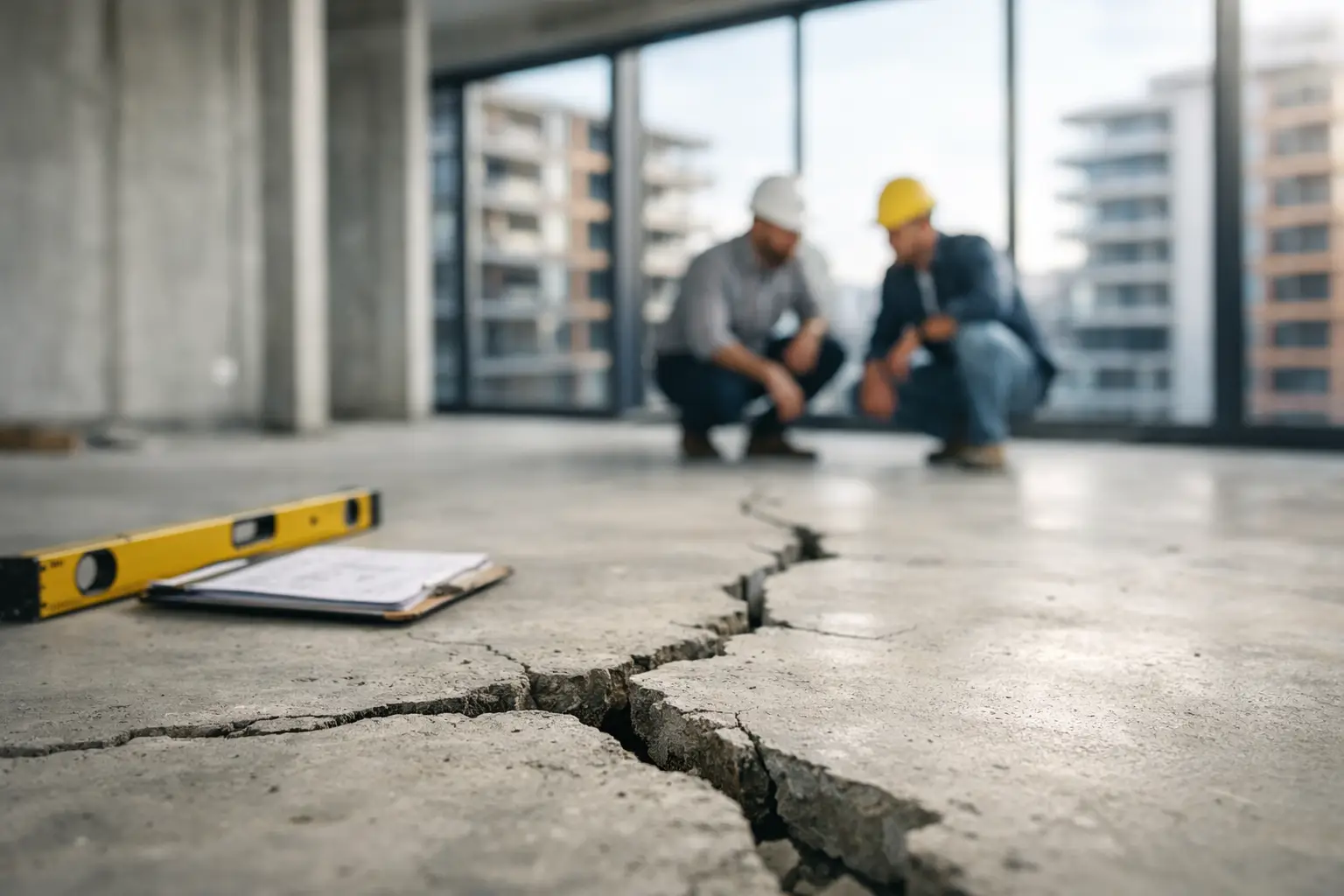
A proper investigation should consider the condition of the concrete, the pattern and timing of water ingress, groundwater levels, nearby drainage, existing waterproofing details and any structural movement. Where deterioration, cracking or spalling is present, engineering input may also be required before waterproofing works proceed.
Choosing the best lift pit waterproofing options
The best approach depends on whether the lift pit is under construction, accessible from the outside, subject to ongoing hydrostatic pressure, or already operating within an occupied building. The following options are commonly used, often in combination.
External positive-side waterproofing
External, or positive-side, waterproofing is generally the preferred solution where access to the outside of the lift pit is practical. A membrane is applied to the external face of the structure, stopping groundwater before it reaches the concrete. This protects the structural substrate and reduces the risk of water tracking through cracks, joints and porous concrete.
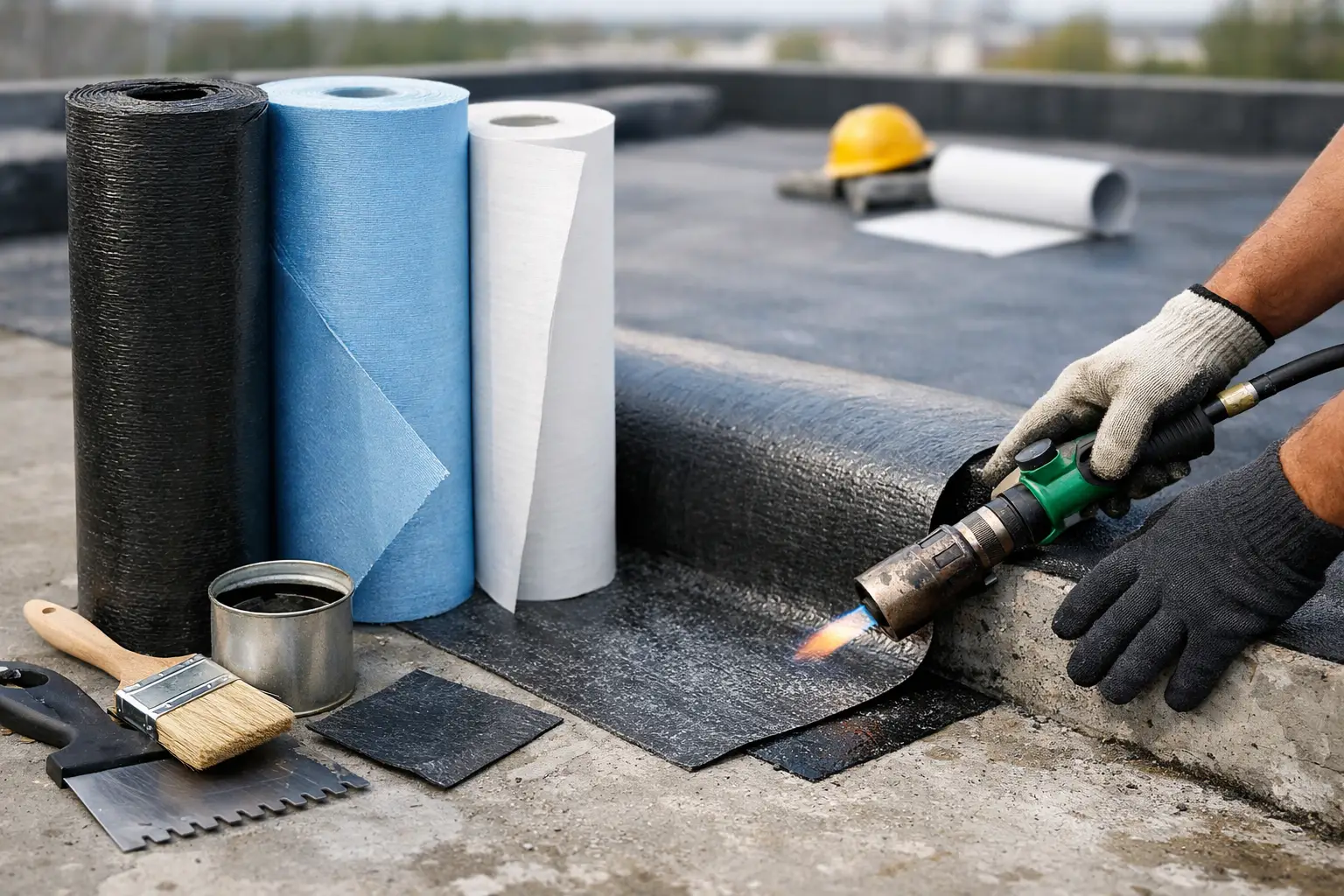
For new construction, this may involve sheet membranes, liquid-applied systems, protection boards and drainage layers installed as part of the below-ground waterproofing design. Detailing at wall-floor junctions, penetrations and terminations is critical. A high-quality membrane can still fail if these transition points are not properly prepared and sealed.
In an existing building, external excavation can be disruptive and costly. It may require temporary works, service locating, protection of adjacent structures and careful reinstatement of hardstand, landscaping or basement areas. However, where widespread groundwater ingress is occurring and external access is feasible, it can offer the most durable whole-of-structure outcome.
Internal negative-side waterproofing systems
When excavation is not viable, internal negative-side waterproofing is often considered. These systems are applied to the inside face of the lift pit walls and floor to resist water entering from behind the concrete. Cementitious waterproof coatings and crystalline systems are common choices because they can bond to prepared concrete and tolerate some moisture in the substrate.
Negative-side systems can be effective, but they must be selected with realistic expectations. The concrete remains exposed to groundwater pressure, and water can still migrate within the substrate if cracks, joints or penetrations are not separately treated. Surface preparation is also decisive. Contaminated, painted, weak or salt-affected concrete must be repaired and prepared to achieve a reliable bond.
This option is well suited to pits with sound concrete, localised water ingress and no reasonable means of accessing the external walls. It should not be treated as a shortcut where the structure has significant movement, major cracking or deteriorated concrete.
Crack and joint injection
Injection works target defined pathways of water ingress. Polyurethane resin injection is commonly used for active leaking cracks and joints because it can react with moisture, expand and form a flexible seal. Epoxy injection may be suitable where a structural crack requires bonding, but it is generally not the first choice for an actively wet crack that is expected to move.
Construction joints, wall-floor junctions and service penetrations are frequent leakage points in lift pits. Depending on the detail, remedial works may include injection hoses, hydrophilic waterstops, sealants or purpose-designed joint bandage systems. The chosen repair needs to accommodate the anticipated movement and water pressure at that location.
Injection is valuable because it can address water pathways with minimal demolition. Its limitation is that it is a targeted repair. If water is entering across multiple areas, injection alone may become repetitive and less economical than a broader waterproofing system.
Local concrete repair and waterproof render
Where water ingress has contributed to concrete spalling, exposed reinforcement or surface deterioration, concrete repairs must be completed before applying a waterproof coating. Corroding reinforcement expands as it rusts, which can fracture surrounding concrete and create additional entry points for water.
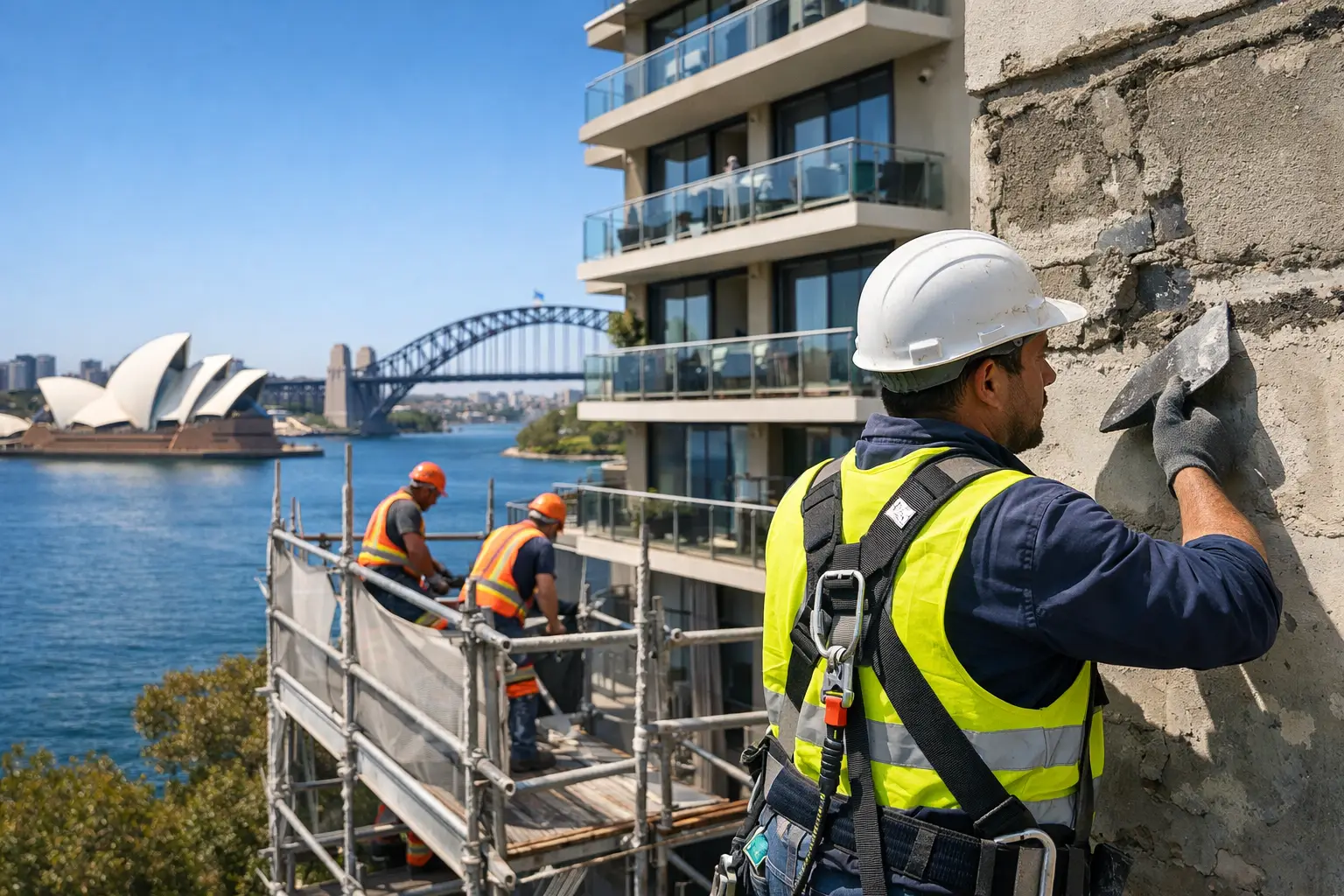
A remedial scope may include removal of unsound concrete, treatment or replacement of affected reinforcement where specified, reinstatement with compatible repair mortar and re-profiling of damaged surfaces. Waterproof render or a cementitious coating can then be applied over a sound, properly prepared substrate.
This sequence matters. Coating over hollow, delaminated or contaminated concrete can make the pit look improved while leaving the underlying defect active.
Drainage and groundwater management
Drainage can reduce water pressure around a lift pit, but it is not automatically appropriate for every building. External subsoil drainage, drainage cells and connection to a lawful discharge point may form part of a designed below-ground waterproofing solution. These measures need to be coordinated with site conditions, stormwater arrangements and any relevant approvals.
Internal collection and pumping should be approached cautiously. A lift pit is not a general drainage sump, and introducing water-management equipment into the pit can create operational, electrical and maintenance risks. Any proposal involving drainage within or adjacent to a lift shaft should be coordinated with the lift contractor, relevant consultants and the applicable building requirements.
Details that determine whether a repair lasts
Most lift pit waterproofing failures occur at changes in plane and interfaces, not in the middle of a correctly applied membrane. The wall-floor junction, construction joints, pipe penetrations, cable entries, embedded metalwork and door threshold interfaces all require deliberate detailing.
Waterproofing materials also need to suit the substrate and conditions. A system designed for dry concrete may not perform on a damp, salt-contaminated surface. A rigid coating may not be suitable across an active movement joint. Compatibility between repair mortars, primers, membranes, sealants and protective finishes should be confirmed as part of the system design.
Access constraints are equally significant. Lift shutdown periods, confined-space procedures, electrical isolation, ventilation, water removal and reinstatement of lift equipment all need to be planned before works begin. For occupied strata and commercial properties, this coordination reduces disruption and avoids the common problem of multiple contractors treating separate symptoms without ownership of the overall outcome.
A coordinated remedial scope is usually the safer choice
For persistent lift pit water ingress, a disciplined scope commonly begins with inspection and testing, followed by defect diagnosis, engineering coordination where needed, concrete and crack repairs, waterproofing installation and final verification. The objective is to establish a dry, serviceable environment while protecting the surrounding structure from further deterioration.
Remedial Building Practitioners approaches lift pit defects as a building-envelope and structural-performance issue, not simply a coating application. That distinction is particularly valuable where water ingress has been recurring, previous repairs have failed or associated concrete damage is present.
Before approving works, ask whether the proposal explains the source of the water, addresses joints and penetrations, allows for concrete repair, and sets out how the system will be protected and tested. A waterproofing solution that is properly diagnosed, specified and coordinated gives the lift pit the best chance of remaining dry long after the work area has been packed down.