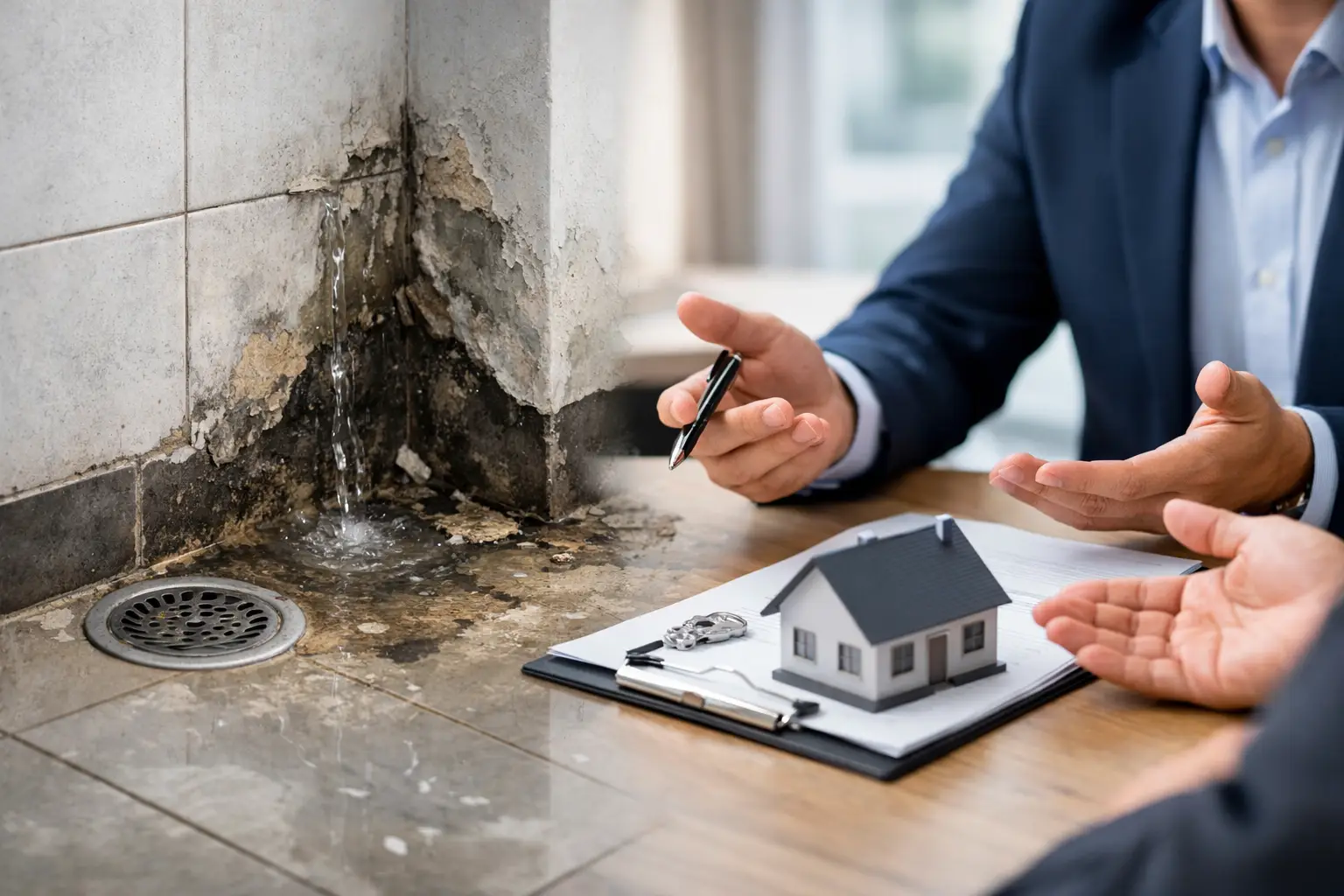
A leaking balcony above an occupied apartment rarely stays a balcony problem. Water can migrate into membranes, screeds, slab edges, ceiling cavities and wall linings before visible damage appears below. So, who pays for waterproofing defects? The immediate answer and the party ultimately liable are not always the same.
For strata and commercial property stakeholders in NSW, responsibility turns on the defect location, the building’s ownership structure, the project’s age, contractual obligations, available statutory warranties, and the evidence linking the failure to its cause. A clear technical investigation is therefore as important as a legal review. Repairing the visible leak without identifying why the waterproofing failed can leave the same parties facing another claim, another special levy and further damage.
Who pays for waterproofing defects? Start with ownership
The first question is whether the affected area is common property or part of an individual lot. In a strata scheme, membranes beneath tiled balconies, podiums, roofs, planter boxes and external façades are often common property, but this must be confirmed against the registered strata plan, by-laws and any relevant exclusive-use arrangements.
Where the failed waterproofing forms part of common property, the owners corporation will commonly need to arrange urgent investigation and rectification. It has a duty to maintain and repair common property, and delaying works can expose adjoining lots to escalating water damage. That does not necessarily mean the owners corporation bears the final cost. It may have rights to pursue the builder, developer, insurer or another responsible party once the evidence is established.
If the defect sits within a lot, the lot owner may be responsible for repairs. However, boundaries are rarely as simple as the tiles visible at the surface. A lot owner might own the finishes while the membrane, substrate or structural slab remains common property. A leaking shower can also originate from failed common-property pipework, inadequate original construction or a later renovation. The source and the ownership boundary must be determined before liability is assigned.
Commercial buildings require the same discipline. The lease may allocate maintenance responsibilities between landlord and tenant, but a tenant’s obligation to maintain a premises does not automatically transfer liability for an inherent construction defect. Lease terms, fitout approvals, building records and the cause of the failure all matter.
The party that pays first may not be at fault
Water ingress demands prompt action. Emergency containment, moisture testing, access works and temporary protection are often funded by the party with control of the asset – typically an owners corporation, building owner or landlord. This protects occupants, limits consequential damage and demonstrates that reasonable steps were taken to mitigate loss.
The eventual cost recovery position can be different. If an investigation identifies defective original waterproofing installation, the builder or developer may be responsible under the building contract, applicable statutory warranties or other legal obligations. If a subsequent contractor penetrated or damaged a membrane during a renovation, that contractor or the party that engaged them may be liable. If the failure results from poor maintenance, blocked drainage or unapproved alterations, responsibility can shift again.
This distinction is critical when budgeting remedial works. Stakeholders should separate the urgent cost of making the building safe and watertight from the question of who may reimburse those costs later. Waiting for a liability dispute to resolve before stopping active water ingress is rarely a sound asset-management decision.
When builders and developers may be responsible
In NSW residential building work, statutory warranties may provide a pathway for owners to seek rectification of defective work. The applicable timeframes and rights depend on the nature of the defect, the contract, when the work was completed and the circumstances of the claim. Waterproofing failures that cause substantial building damage or affect habitability may be treated more seriously than isolated cosmetic defects, but classification should not be assumed.
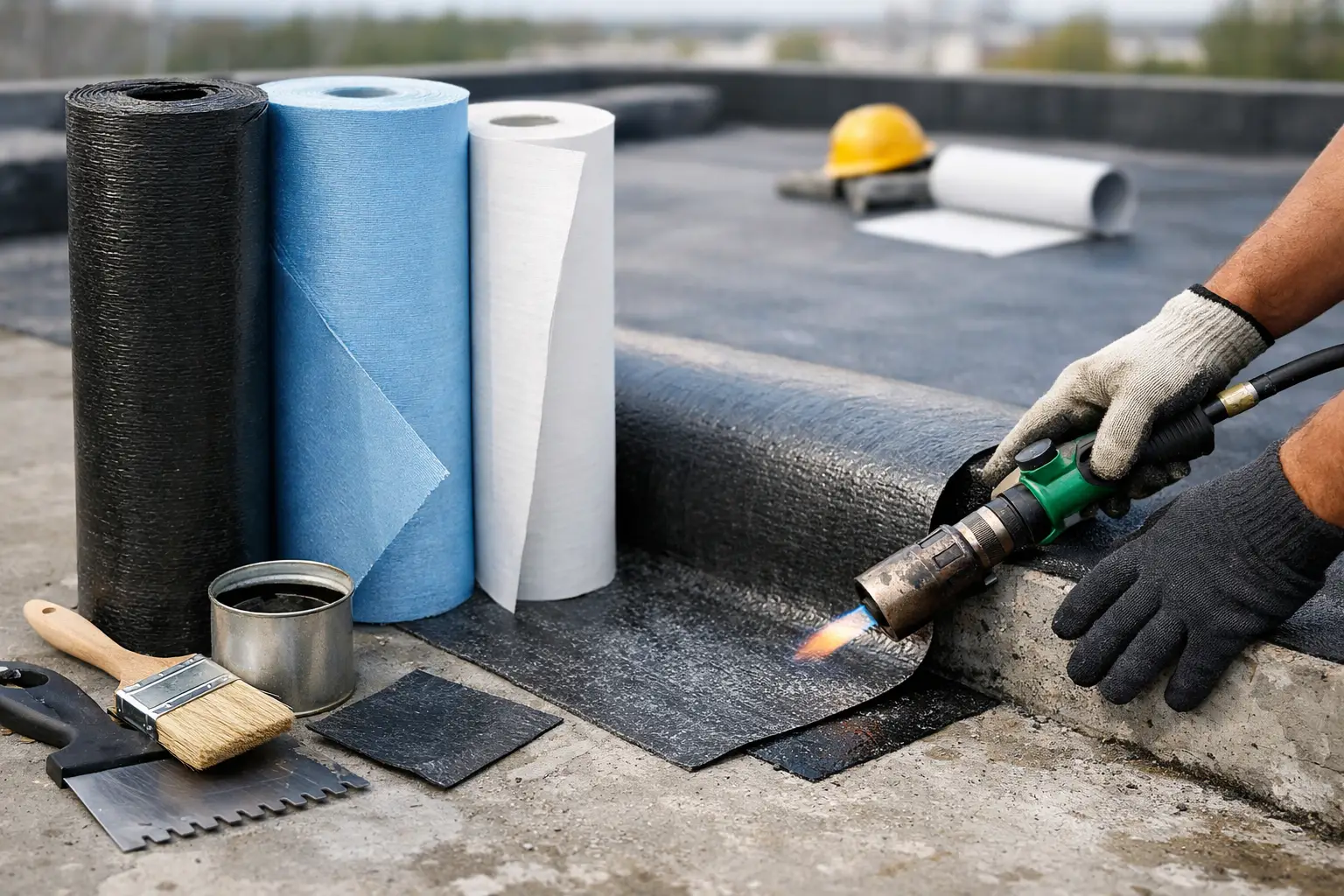
For newer Class 2 buildings, the regulatory environment also places greater emphasis on compliant design, documented building work and accountable practitioners. That can assist in tracing how a waterproofing system was specified and delivered. It does not remove the need for a proper defect assessment. A membrane can fail because of an unsuitable design detail, poor substrate preparation, incorrect product application, inadequate falls, unsealed penetrations, failed drainage interfaces or later damage by other trades.
A builder or developer should not be blamed simply because a leak appears after completion. Equally, the presence of tiles, a recent renovation or a maintenance issue should not be used to dismiss a potentially systemic construction defect. The evidence must distinguish the original waterproofing assembly from later alterations and identify the pathway water is taking through the building fabric.
Defects in renovations and fitouts
Waterproofing risk increases where bathrooms, balconies or terraces have been altered after original construction. A lot owner may engage a contractor to replace tiles, install balustrades, add planters or modify drainage. Any penetration through the waterproofing layer can compromise the system.
If those works caused the failure, the responsible contractor may be liable under their contract and relevant warranties. The lot owner may also face responsibility where unauthorised works have damaged common property. For this reason, strata approval records, scopes of work, photographs and waterproofing certificates are valuable evidence, not just administrative paperwork.
Insurance can assist, but it is not a defect solution
Building insurance may respond to some resulting damage from a water event, such as damaged ceilings, carpets or internal finishes. Whether it responds depends on the policy wording, the cause of loss, exclusions and the insurer’s assessment. Many policies exclude the cost of rectifying faulty workmanship, defective materials or gradual deterioration.
That means an insurer may contribute to reinstating damaged property while excluding the underlying membrane replacement. In other cases, an insurer may pursue recovery from a responsible party after paying a claim. Owners corporations and building owners should notify their insurer promptly where required, preserve evidence and avoid making assumptions about cover before receiving a formal response.
Insurance should not dictate the technical scope. A repair scope focused only on insured damage can miss the defective assembly that allowed water to enter. The remedial strategy still needs to address the root cause and provide a durable, compliant outcome.
Establishing liability requires a defensible investigation
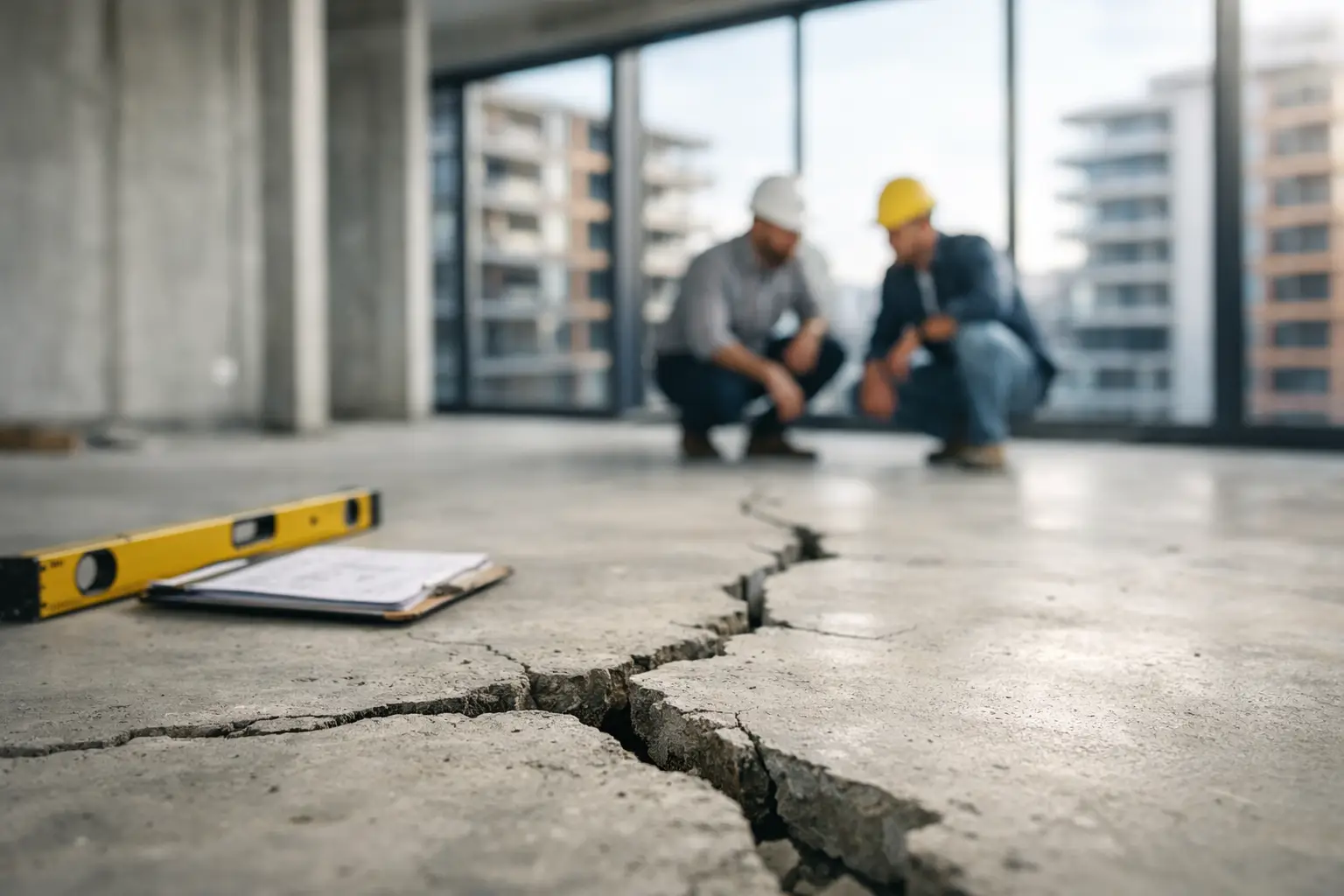
Waterproofing defects are frequently concealed. The visible stain is usually the consequence, not the point of failure. A disciplined investigation may include site inspection, moisture mapping, flood testing where appropriate, review of drainage falls, selective opening-up, examination of membrane terminations and penetrations, and review of construction and renovation records.
The investigation should answer practical questions: Where is water entering? What components have failed? Is the issue localised or repeated across the building? Has water affected concrete, reinforcement, timber framing, electrical systems or internal finishes? What immediate protection is required, and what permanent repair method will prevent recurrence?
For a strata scheme, an independent, clearly documented assessment can also support decision-making at committee and general meetings. It gives owners a basis for approving expenditure, pursuing responsible parties and explaining why superficial patching is not enough. In complex matters, engineering input and legal advice should be coordinated with the technical findings rather than sought in isolation.
Cost allocation should follow the evidence
Once the cause is known, cost allocation can be approached with greater certainty. Common-property defects may require the owners corporation to fund works initially through the administrative or capital works fund, a special levy or borrowing, depending on the scheme’s financial position. A lot-owner defect may be privately funded. Builder, developer, contractor or insurer recovery may follow where a valid claim exists.
The trade-off is clear. A low-cost patch can appear attractive while liability is disputed, but it may conceal ongoing moisture and expand the eventual repair area. A properly designed remediation may require removal of finishes, replacement of membranes, correction of falls, drainage upgrades and reinstatement works. That scope can be more disruptive upfront, yet it is often the more responsible option where the building envelope has been compromised.
Before approving works, stakeholders should seek a scope that separates investigation, temporary protection, rectification and reinstatement. This makes costs more transparent and helps preserve evidence if recovery action is being considered. It also reduces the risk of one contractor repairing symptoms while another is later asked to identify a cause that has been covered over.
For Sydney strata and commercial assets, waterproofing disputes are best managed as building-performance issues first and payment disputes second. Acting early, documenting the condition and commissioning a root-cause investigation gives every party a clearer path to a repair that protects the building, its occupants and its long-term value.