A basement that only leaks during heavy rain is rarely a minor inconvenience. For strata committees, asset managers and property owners, it is usually an early sign that water is finding a path through the building envelope, below-ground structure or drainage system. If you are trying to work out how to stop basement leaks, the first priority is not patching the wet spot. It is identifying exactly how water is entering, why the system has failed, and what level of remedial work is needed to prevent recurrence.
That distinction matters. Basement leaks are often treated as isolated defects when they are actually the visible symptom of a broader waterproofing, drainage or structural issue. A surface coating may hold briefly, but if hydrostatic pressure, cracking, failed joints or poor falls remain unresolved, the leak usually returns.
Why basement leaks keep coming back
Water ingress below ground behaves differently from rain penetration through an external wall or roof. A basement is in constant contact with surrounding soil, groundwater and moisture-laden substrates. Once water pressure builds up outside the structure, any weakness in the basement wall, slab joint, penetration or construction joint becomes a likely entry point.
In practice, repeated leaks often come down to one or more of the same issues. External waterproofing may have deteriorated over time. Subsoil drainage may be blocked, missing or undersized. Cracks may have opened due to structural movement, shrinkage or long-term concrete deterioration. In older buildings, original detailing may simply not meet current expectations for durability or water management.
This is why basement leak rectification needs an investigation-led approach. If the visible wet area is repaired without understanding the moisture pathway, the repair can fail even when the workmanship itself is sound.
How to stop basement leaks by finding the true entry point
The hardest part of below-ground water ingress is that the visible leak is not always the entry point. Water can travel behind membranes, through wall cavities, along reinforcement, or across slab interfaces before it becomes visible inside the basement.
A disciplined inspection should consider the full moisture path. That usually includes the condition of retaining walls and slabs, construction joints, service penetrations, cold joints, cracks, movement joints, planter boxes above, driveway interfaces, threshold details and surrounding drainage infrastructure. In larger residential and commercial buildings, leaks can also originate from podiums, ramps or landscaping zones that direct water toward basement walls.
There is no single test that suits every building. Sometimes the defect is obvious, such as active seepage through a crack or failed joint. In other cases, the cause only becomes clear after staged investigation, moisture mapping, drainage review and, where required, engineering input. For owners corporations and commercial stakeholders, this upfront diagnostic work is not a delay. It is what prevents spending money twice.
Common causes of basement water ingress
A leaking basement is usually linked to a system failure rather than one isolated defect. Failed external tanking or membrane systems are a common cause, particularly where the original waterproofing has reached the end of its service life or was poorly detailed around joints and penetrations.
Drainage failures are just as significant. If subsoil drains are blocked or if external falls direct stormwater toward the structure, water pressure builds against basement walls and slabs. Even a sound structure can struggle when water has nowhere else to go.
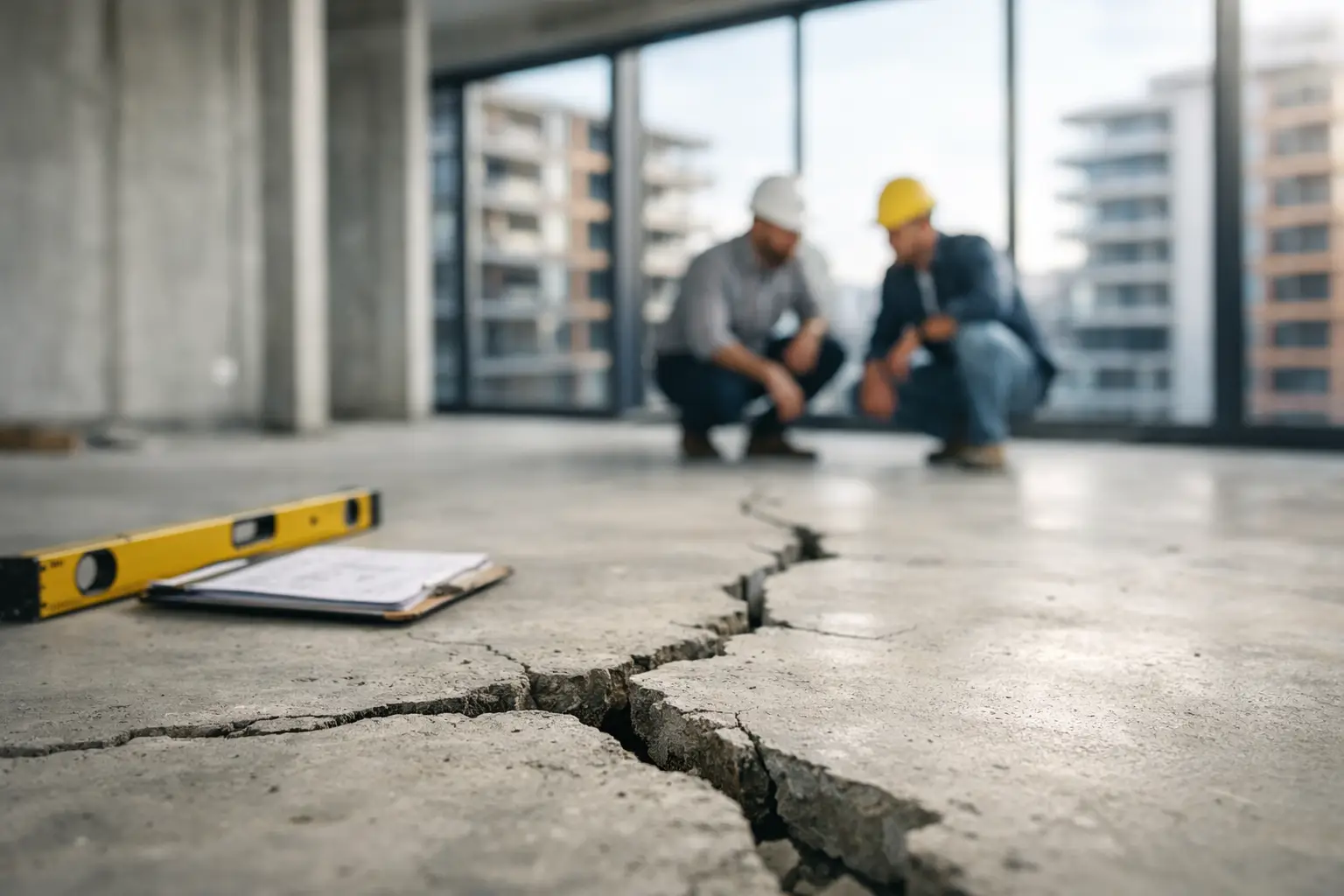
Cracking is another major factor. Not every crack leaks, and not every leaking crack is structurally significant, but cracks should never be treated casually below ground. They may indicate movement, shrinkage, corrosion-related expansion or stress concentration at joints. The repair method depends on the crack type, width, movement characteristics and whether it is part of a broader structural concern.
Service penetrations also deserve attention. Pipes, conduits and sleeves that pass through basement walls are frequent leakage points, especially where sealant has failed or detailing was inadequate from the outset.
What works and what only masks the problem
Many basement leaks are first met with reactive patching. That might include cementitious coatings, injected sealants or internal waterproof paints. These measures can have a place, but only when they are selected for the right condition and backed by a clear remediation strategy.
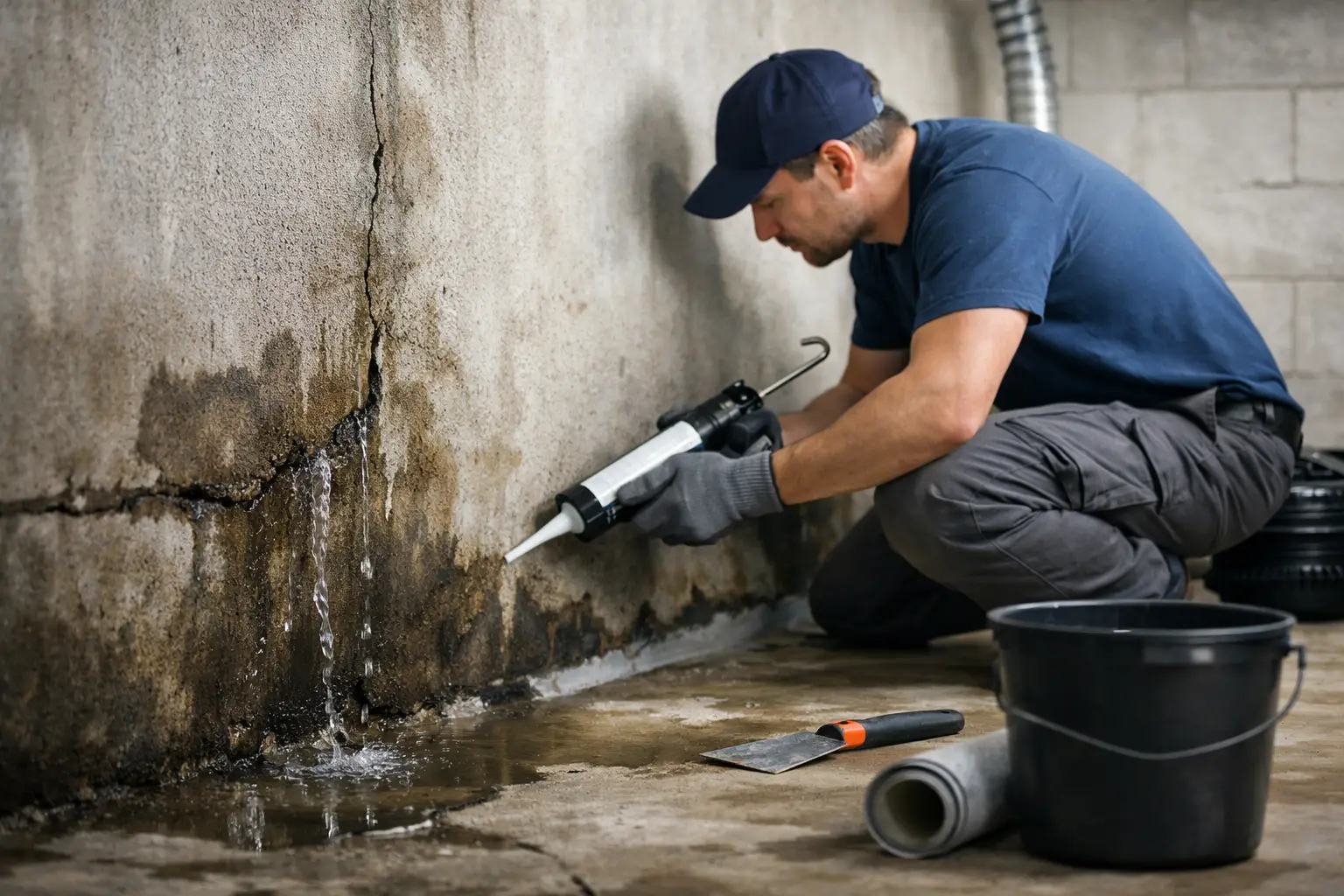
For example, crack injection can be effective where the leak path is well defined and the crack behaviour is understood. Negative-side waterproofing systems may also help in some internal applications where excavation is impractical. But these are not universal answers. Internal treatments alone do not remove external water pressure, and some products that appear to stop seepage initially will debond or fail if the substrate remains wet, contaminated or under continued movement.
The trade-off is usually between access, cost and long-term performance. External excavation and membrane replacement can be more disruptive and expensive, but it often provides the most complete outcome where the primary waterproofing system has failed. Internal remedial work may be less invasive, yet its success depends heavily on whether pressure relief and defect-specific repairs are also addressed.
How to stop basement leaks with a proper remediation scope
A durable solution usually combines several repair measures rather than one product. If the issue is hydrostatic pressure, then drainage relief has to be part of the answer. If the issue is a failed joint or crack, the repair must suit the substrate and movement conditions. If the basement wall is deteriorating due to corrosion or concrete damage, structural repair may need to sit alongside waterproofing rectification.
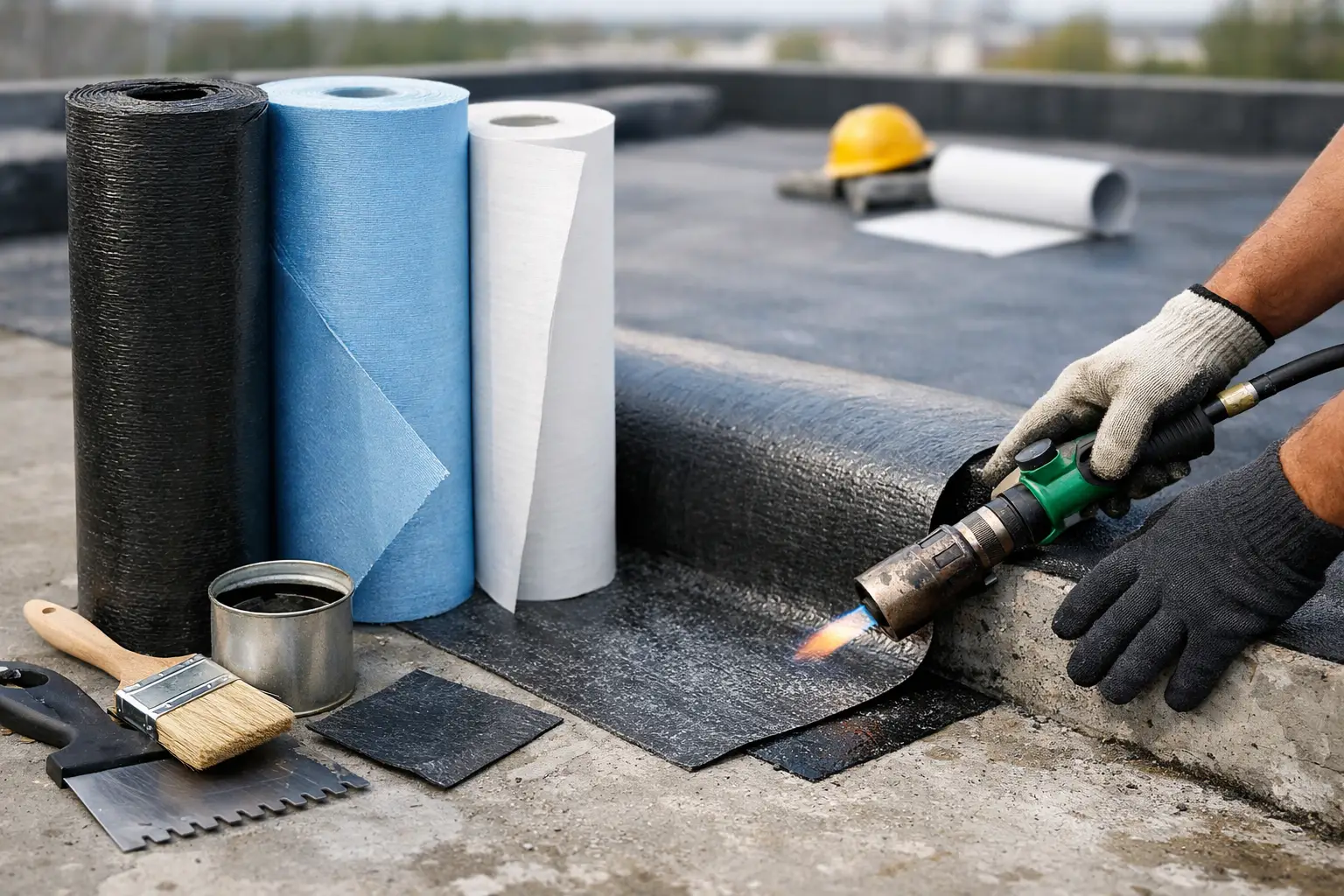
In practical terms, a remediation scope may include crack injection, joint sealing, concrete repair, membrane replacement, drainage upgrades, regrading of external areas, replacement of failed sealants at penetrations, or the introduction of cavity drainage and collection systems where external access is limited. The right scope depends on defect cause, building use, access constraints and the level of risk if leaks continue.
For multi-unit buildings, there is also a compliance and coordination dimension. Basement leakage can affect fire services rooms, electrical infrastructure, lift pits, storage areas and structural elements. It may also raise questions about building code obligations, contractor sequencing, resident access and latent defect accountability. That is why larger or repeated leakage issues should be managed as remedial building works, not ad hoc maintenance.
The role of drainage, falls and external conditions
One of the most overlooked parts of basement leak diagnosis is surface and subsurface water management. Buildings in Sydney often face intense rainfall events, and defects that seem manageable in ordinary weather can become active failures during storm periods.
Poor external falls, blocked strip drains, overwhelmed pits, saturated planter zones and inadequate stormwater capacity all increase the water load around basement structures. In some cases, the basement waterproofing itself is not the only problem. The surrounding environment is directing too much water toward the building.
That means leak prevention may extend beyond the basement wall. Driveways, podium edges, landscaping interfaces and threshold levels may all require review. This broader view is especially important on strata and commercial sites where different trades or historical upgrades have altered drainage behaviour over time.
When basement leaks point to bigger building issues
Not every leak is structurally significant, but some are part of a larger pattern of deterioration. Persistent moisture can accelerate reinforcement corrosion, contribute to concrete spalling, damage finishes and create ongoing humidity issues within enclosed areas. In plant rooms or service zones, that can become an operational risk as well as a building defect.
Where leaks appear alongside cracking, rust staining, delamination or movement, the response should be more rigorous. The question is no longer just how to keep water out. It is whether the affected elements require structural assessment, concrete repair design or staged remediation.
This is where a coordinated remedial process becomes valuable. Investigation, design input, scope definition and delivery need to align. Treating the symptom while leaving associated defects in place rarely protects the asset over the long term.
Choosing the right response for your building
The best way to approach a leaking basement is to match the response to the building, not to the product being sold. A small isolated seepage point in a relatively new structure may call for targeted defect repair. An older basement with recurring leaks across multiple walls, failed joints and poor drainage will usually need a broader strategy.
Stakeholders should look for clear defect diagnosis, evidence-based repair recommendations, realistic discussion of access constraints and transparent explanation of what is being fixed and why. If a contractor cannot explain the moisture pathway, the repair methodology and the limitations of the proposed treatment, that is a warning sign.
For complex residential and commercial assets, basement leak rectification is rarely just waterproofing in isolation. It often sits at the intersection of structural condition, drainage performance, compliance obligations and long-term maintenance planning. The most reliable outcomes come from treating it that way.
Water ingress below ground does not improve with time, and it rarely stays neatly confined to one wall or one wet patch. A careful diagnosis followed by properly coordinated remedial work gives you the best chance of stopping the leak once, protecting the asset, and avoiding a cycle of temporary fixes that cost more every year.