
A patch that looks sound on day one can start failing again far sooner than most owners expect. That is usually because concrete cancer treatment was approached as a surface repair, not a building defect with a clear cause. For strata committees, asset managers and property owners, that distinction matters. If corrosion, water ingress and detailing failures are not properly investigated, the visible spalling may be repaired while the underlying deterioration keeps advancing.
Concrete cancer is the common term used when steel reinforcement inside concrete begins to corrode. As the steel rusts, it expands. That expansion puts pressure on the surrounding concrete until cracking, delamination and spalling occur. What starts as a localised defect on a balcony edge, slab soffit, column or facade can become a broader durability and safety issue if left unresolved.
What concrete cancer treatment actually involves
Effective concrete cancer treatment is not one product or one repair step. It is a sequenced remediation process that identifies the extent of deterioration, confirms why corrosion started, removes compromised material, treats or replaces affected reinforcement, reinstates the concrete with a suitable repair system, and addresses the conditions that caused the damage in the first place.
That last point is where many projects either hold their value or waste money. Corrosion does not begin randomly. In most cases, moisture and contaminants have found a path into the concrete through failed waterproofing, insufficient cover to reinforcement, cracked surfaces, poor drainage, facade defects, carbonated concrete, chloride contamination or a combination of those factors. A sound repair strategy needs to account for that broader picture.
This is why a defect investigation should come before repair scope. On occupied residential and commercial buildings, there is often pressure to move quickly once spalling becomes visible. Speed matters, particularly where safety risks exist, but fast decisions still need technical discipline. The repair method should be based on actual building conditions, not assumptions drawn from a visual inspection alone.
Why concrete cancer happens
Concrete is durable, but it is not immune to exposure, age and construction defects. Reinforcement is normally protected by the alkaline environment within sound concrete. That protection breaks down when carbonation reduces alkalinity or when chlorides penetrate the concrete and trigger corrosion. Once moisture and oxygen are present, the corrosion cycle can continue.
In Sydney buildings, coastal exposure can accelerate deterioration, but inland properties are not exempt. Balconies, planter boxes, podium slabs, roof areas, facade joints and wet area interfaces can all introduce long-term moisture into structural elements. In older buildings, original construction standards and concrete cover may also be part of the problem. In newer buildings, poor detailing, workmanship defects or unresolved waterproofing failures can create similar outcomes.
The practical point for building stakeholders is simple. Spalling concrete is rarely the whole issue. It is usually evidence of a wider defect path that needs to be traced and rectified.
Signs the problem is more than cosmetic
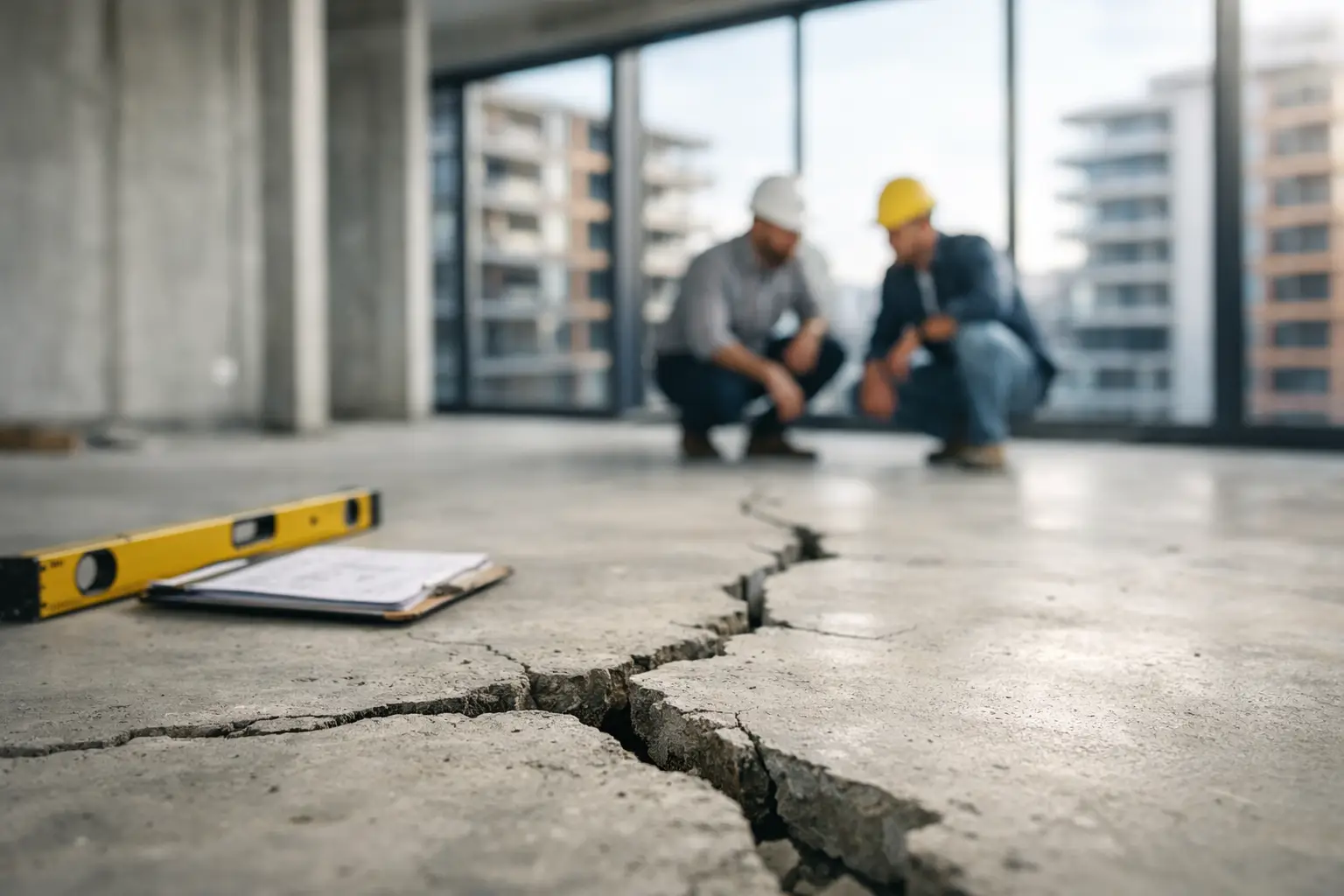
Some defects are easy to dismiss at first. A hairline crack, rust staining on a slab edge, hollow sounding concrete, drummy render near a structural element, or a small piece of concrete breaking away may appear minor. In reality, each can indicate active reinforcement corrosion or moisture entry behind the surface.
The severity depends on the element involved, the extent of reinforcement loss, and whether the deterioration affects strength, serviceability or public safety. A soffit above an entry path presents a different risk profile to a localised balcony nib repair, and both require a different response to widespread column deterioration in a basement.
That is why condition assessment matters. It helps determine whether the issue is isolated or systemic, whether temporary make-safe measures are needed, and whether engineering input is required before repair works begin.
A disciplined repair process
Well-planned concrete remediation follows a clear sequence. First comes investigation and defect mapping. This may include sounding, cover testing, corrosion assessment, breakout inspections and review of moisture sources or facade conditions. The goal is to understand not just where damage is visible, but where it may be developing beyond the surface.
The next stage is repair design and methodology selection. Depending on the structure and exposure conditions, this can include local patch repairs, reinforcement treatment, steel supplementation, section replacement, crack injection, protective coatings, cathodic protection in some cases, or associated waterproofing and drainage rectification. There is no single standard approach that suits every building.
Then the defective concrete is removed to reach sound substrate and expose the reinforcement properly. Any corroded steel must be assessed for section loss. If the bar remains structurally adequate, it may be cleaned and treated in line with the repair specification. If section loss is significant, additional reinforcement or replacement may be required under engineer direction.
Concrete reinstatement is then carried out using a repair material compatible with the substrate, structural demands and exposure environment. Compatibility matters more than marketing claims. The repair mortar or concrete needs appropriate bond, shrinkage control, durability and finish performance for the application.
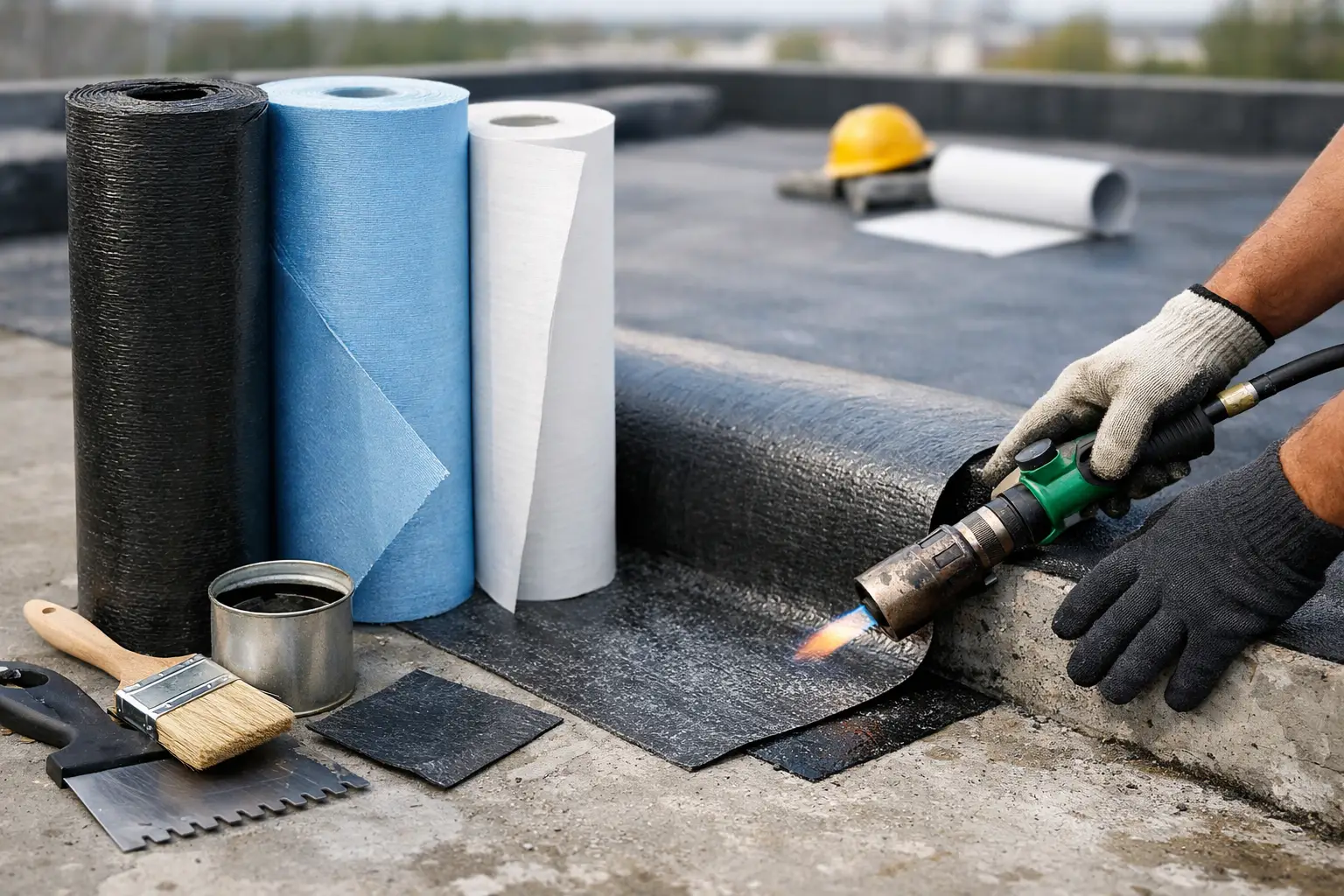
Just as important is what happens around the repair area. If water continues entering through failed membranes, open joints, cracked toppings, planter leakage or facade defects, the repaired section remains exposed to the same deterioration mechanism. Long-term performance depends on resolving those defects in the same program or in a coordinated stage of works.
Why patch-and-paint repairs often fail
The appeal of a quick fix is understandable. Owners want to control cost, reduce disruption and make defective areas safe. But isolated patching without proper diagnosis can create a cycle of recurring works. One section is repaired, another nearby starts spalling, and the building enters an expensive pattern of reactive maintenance.
There are several reasons this happens. The original breakout may not have extended far enough to remove contaminated or delaminated concrete. The reinforcement may not have been treated adequately. The replacement material may have been unsuitable. Or, more commonly, the source of moisture was left unresolved.
There is also the issue of corrosion migration. Localised repairs can sometimes shift electrochemical conditions and contribute to corrosion in adjacent untreated areas if the broader condition of the element is not considered. That does not mean patch repairs are wrong. It means they need to be selected and detailed with care.
Compliance, access and project coordination
For strata and commercial buildings, concrete repair is rarely just a technical trade task. Access systems, resident communication, safety controls, engineer coordination, approvals and sequencing with related trades all affect project outcomes.
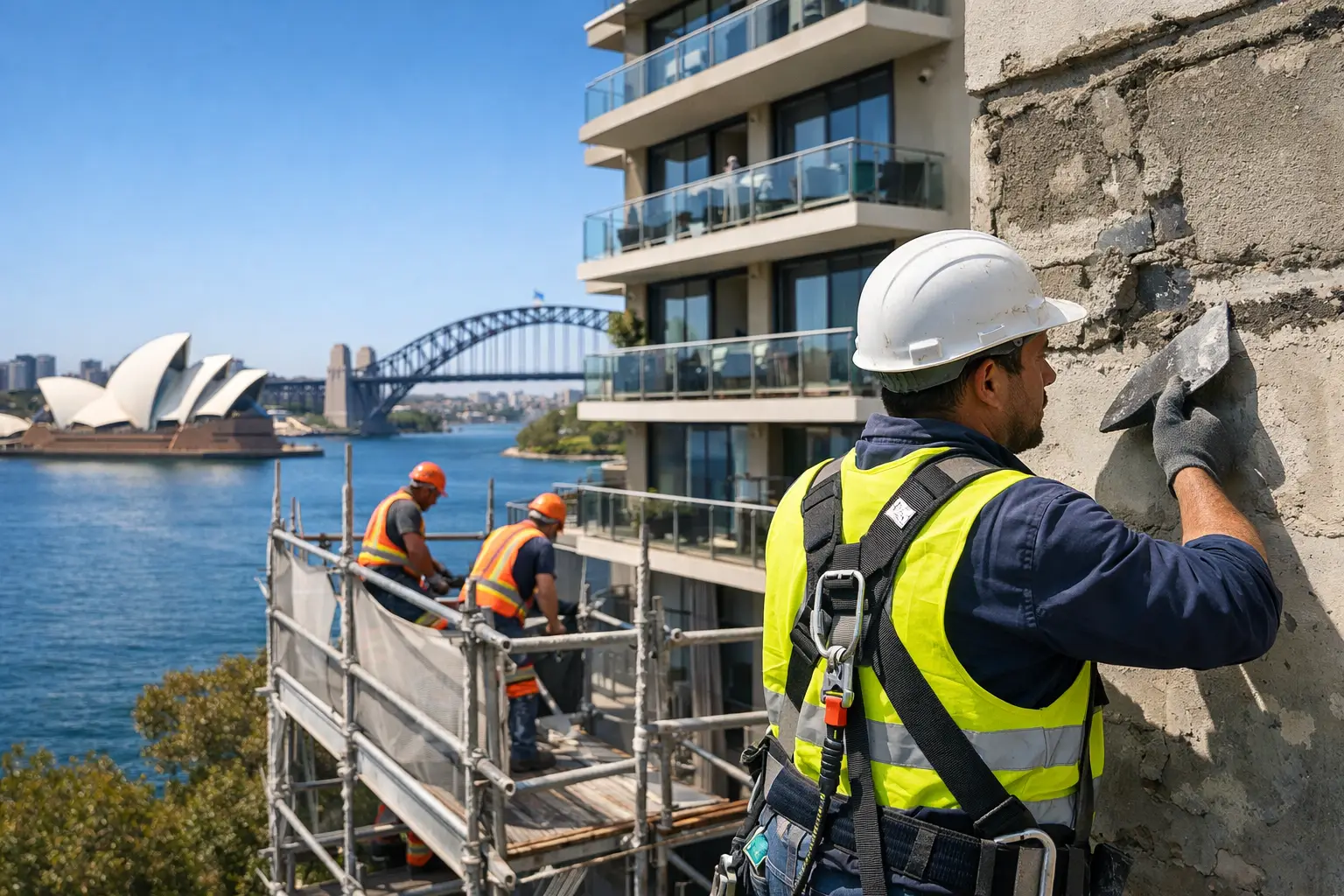
If defects are on balconies, facades, slab edges or elevated soffits, access can involve scaffolding, mast climbers, boom lifts or rope access, depending on the building and scope. Each option has cost, program and safety implications. Occupied buildings also require clear planning around noise, dust, protection measures and work zones.
On Class 2 and other regulated projects, compliance obligations can influence documentation, design coordination and construction delivery. Where repairs interact with waterproofing, facade restoration or structural rectification, fragmented contractor engagement often creates gaps in accountability. A coordinated remedial model reduces that risk because diagnosis, scope development and on-site execution are aligned.
That is one reason many clients in Sydney engage specialist remedial contractors rather than treating concrete spalling as a standard maintenance item. The technical issue is only part of the challenge. The other part is managing the work properly from investigation through to completion.
How to judge whether a proposed treatment is adequate
A credible repair proposal should explain the cause of deterioration, the extent of investigation undertaken, the repair methodology, how reinforcement loss will be addressed, what associated defects need rectification, and how quality will be controlled during construction. If those elements are vague, the scope may be incomplete.
It should also acknowledge where the answer is not yet fixed. Early inspections do not always reveal the full extent of deterioration. Some projects require provisional quantities or staged confirmation once breakout begins. That is not a weakness if it is handled transparently. It is a realistic reflection of remedial construction, where concealed conditions often shape the final repair extent.
Building stakeholders should also look for a clear distinction between cosmetic reinstatement and durability repair. Matching the existing finish matters, but appearance should not drive the methodology. The first question is whether the repair will restore integrity and reduce the risk of recurrence.
The value of treating root causes
Good remedial work protects more than concrete. It helps preserve asset value, reduce future maintenance volatility and support compliance with the responsibilities attached to building ownership and management. That matters when defects affect resident confidence, tenancy, insurance discussions or planned capital works.
The strongest outcomes come from treating concrete cancer as part of the building system, not as an isolated blemish. If water ingress, movement, poor detailing or facade deterioration sit behind the corrosion, those issues belong in the conversation from the start.
A durable repair is rarely the cheapest line item at tender stage. It is usually the one that makes technical sense when the building is assessed properly and the scope is carried through with accountability. When that happens, concrete cancer treatment stops being a recurring patch job and becomes what it should be – a considered remediation strategy that gives the structure a better future.