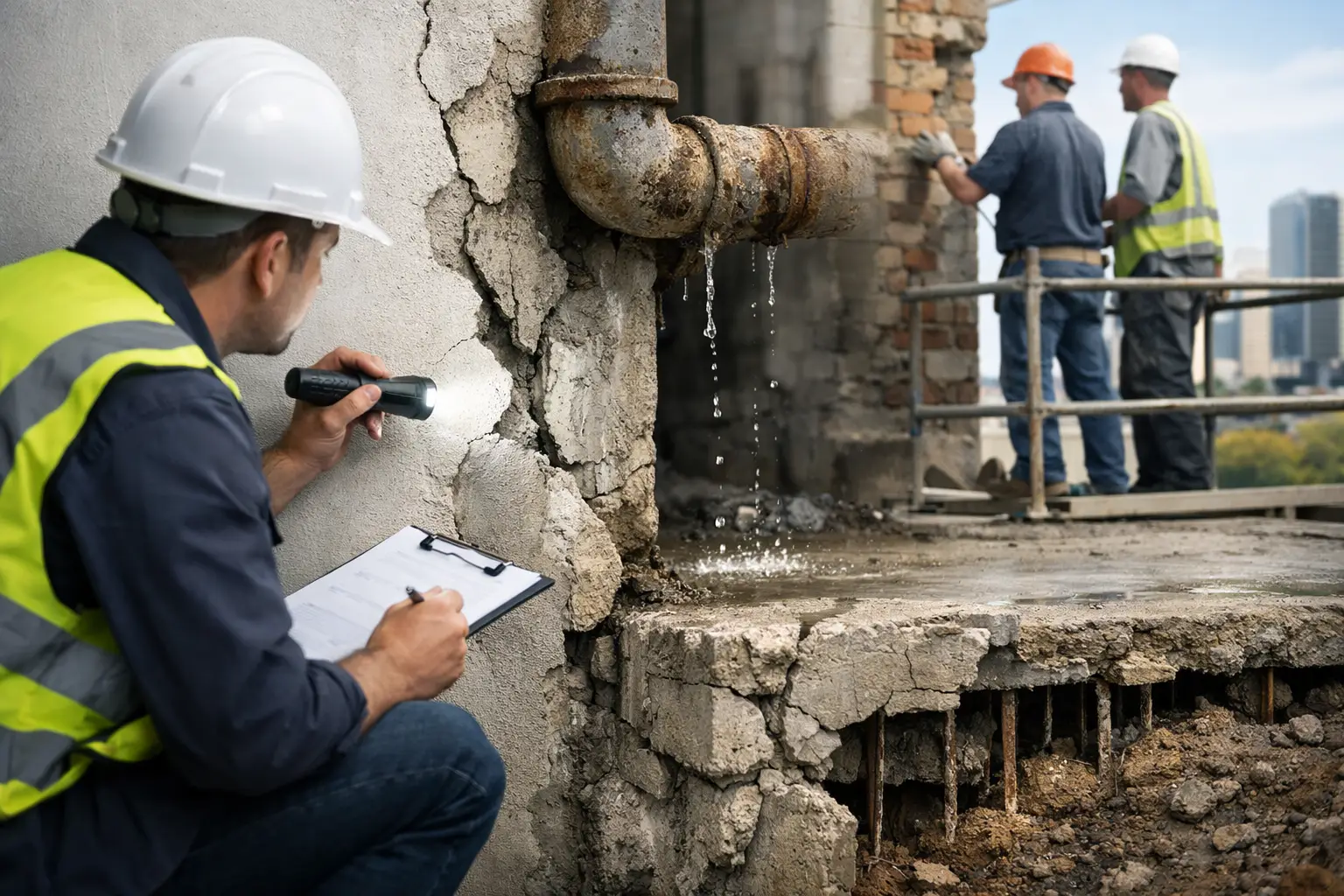
A water stain below a balcony, rust marks on a facade or a crack widening across a car park slab is rarely an isolated maintenance issue. These are often visible signs of moisture movement, failed detailing, reinforcement corrosion or structural distress occurring behind the surface. Effective remedial building services begin by establishing why the defect exists, not by applying the quickest visible repair.
For strata committees, owners corporations and commercial asset managers, that distinction matters. A poorly diagnosed repair can consume capital funds, disrupt occupants and still leave the building exposed to the same failure within a short period. A properly planned remediation project addresses the defect mechanism, coordinates the right technical input and delivers work that can perform over the long term.
What remedial building services involve
Remedial building work is the investigation, repair, restoration and, where necessary, reconstruction of defective or deteriorated building elements. It may involve waterproofing, concrete repair, structural strengthening, facade restoration, roofing interfaces, internal rectification or heritage conservation. The scope varies considerably, but the underlying discipline is consistent: diagnose the cause, develop a suitable repair methodology, manage compliance requirements and deliver the works under controlled conditions.
This is different from routine maintenance. Repainting a stained wall or resealing a local joint may be appropriate where the source is known and isolated. It is not an adequate response when water is tracking through a facade system, a membrane has reached the end of its service life or concrete is spalling because corroding steel reinforcement is expanding beneath the surface.
In many buildings, defects overlap. Failed balcony waterproofing can contribute to concrete deterioration. Movement cracks can compromise facade weatherproofing. Inadequate drainage can place ongoing pressure on basement walls and coatings. Treating each symptom through separate, uncoordinated trades increases the risk of gaps in responsibility and incompatible repairs.
Investigation comes before repair
The visible defect should be treated as evidence, not a final diagnosis. A disciplined investigation considers the building’s design, age, exposure, construction materials, repair history and pattern of deterioration. It also examines how water, movement, salts and load are interacting with the affected element.
The process may include a detailed visual survey, moisture testing, sounding of concrete, crack monitoring, opening-up works, review of available drawings and targeted material testing. For more complex structural, facade or Class 2 remediation matters, engineering assessment and registered design practitioner coordination may be required.
The objective is to distinguish between a local defect and a systemic failure. For example, isolated spalling around a damaged downpipe may call for local concrete repair once the water source is corrected. Widespread spalling across balcony edges, however, may indicate broader carbonation, chloride exposure, inadequate cover or a recurring waterproofing problem. Those scenarios demand different budgets, repair extents and sequencing.
A clear investigation also gives decision-makers a stronger basis for funding approvals. Rather than asking an owners corporation to approve a broad allowance for “building repairs”, the project team can explain the defect, the risk of deferring work, the proposed repair system and the expected disruption to residents or tenants.
Root cause analysis protects the repair investment
A repair is only as reliable as the conditions around it. Replacing damaged concrete without preventing water ingress may simply restart the corrosion cycle. Applying a coating to a cracked facade without addressing movement can lead to premature failure. Installing a new membrane over poorly prepared substrates can create a concealed problem rather than solve one.
Root cause analysis identifies the conditions that must change for the repair to last. Depending on the building, this can include improving falls and drainage, replacing failed flashings, redesigning expansion joints, repairing substrate defects, controlling water entry points or upgrading incompatible previous repairs.
There is a practical trade-off. The lowest initial-price option is often a limited cosmetic treatment. It can be suitable where the condition is genuinely superficial or the building has a short-term holding strategy. For an occupied strata or commercial asset intended to perform for decades, a narrower scope can create higher lifecycle costs if access, finishes and disruption must be repeated later.
Common defects that require coordinated remediation
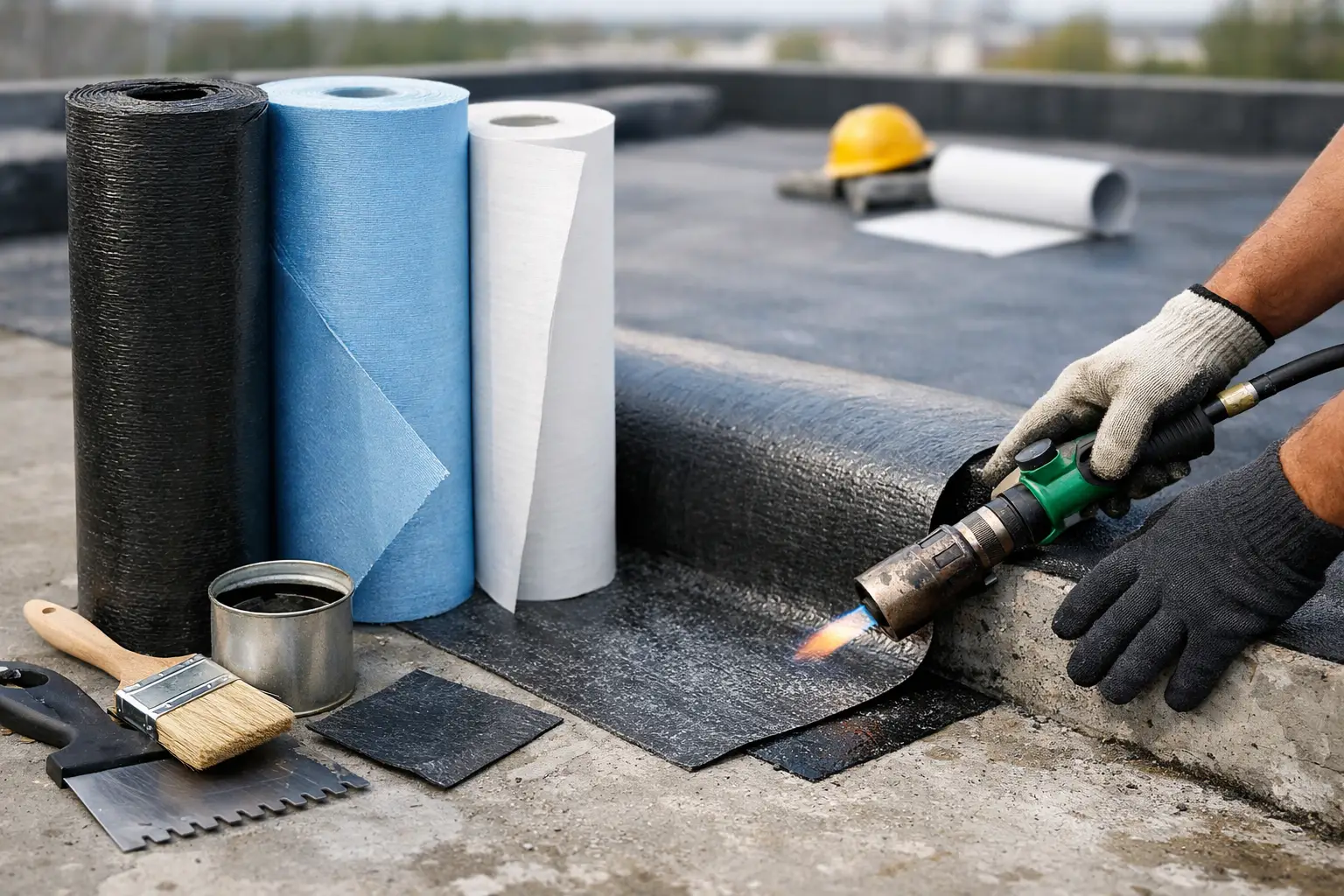
Waterproofing failures are among the most common drivers of remedial work. Balconies, podiums, roofs, planter boxes, wet areas and basements all rely on systems that must manage water at interfaces, penetrations, terminations and drainage points. A membrane product alone does not guarantee performance. Substrate preparation, detailing and protection during subsequent trades are equally critical.
Concrete cancer is another frequent concern, particularly in exposed coastal areas of Sydney and on ageing buildings. When steel reinforcement corrodes, it expands and places pressure on the surrounding concrete. Cracking, delamination and spalling can follow, affecting appearance, safety and structural durability. Repairs may involve removing unsound concrete, treating or replacing reinforcement where required, reinstating the repair profile and applying protective systems as specified.
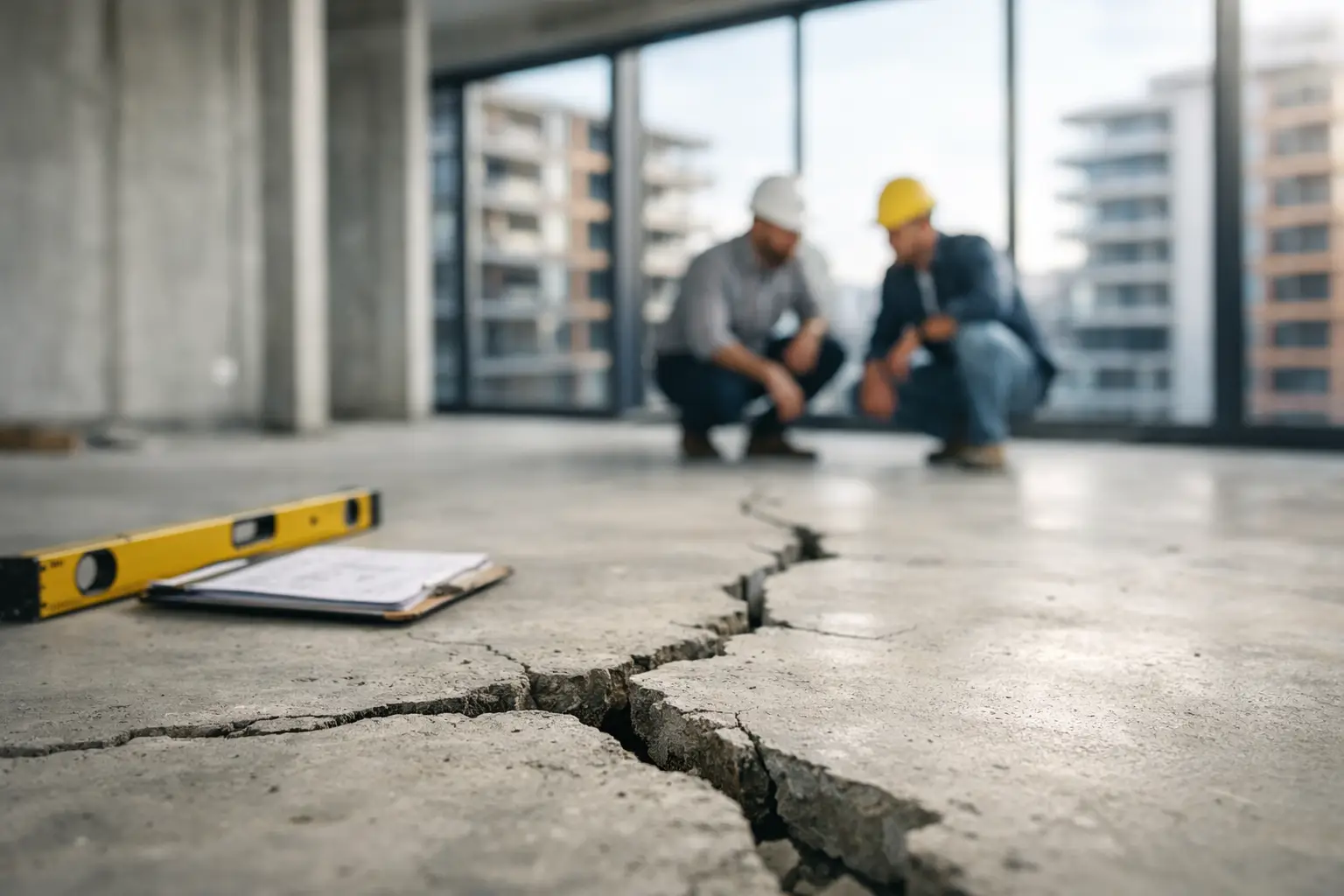
Cracking requires careful interpretation. Some cracks are minor shrinkage or finish-related issues; others indicate movement, thermal effects, settlement, corrosion or load-related stress. The appropriate response depends on crack width, location, direction, progression and the element involved. Filling a crack may be appropriate, but it is not a substitute for understanding why it formed.
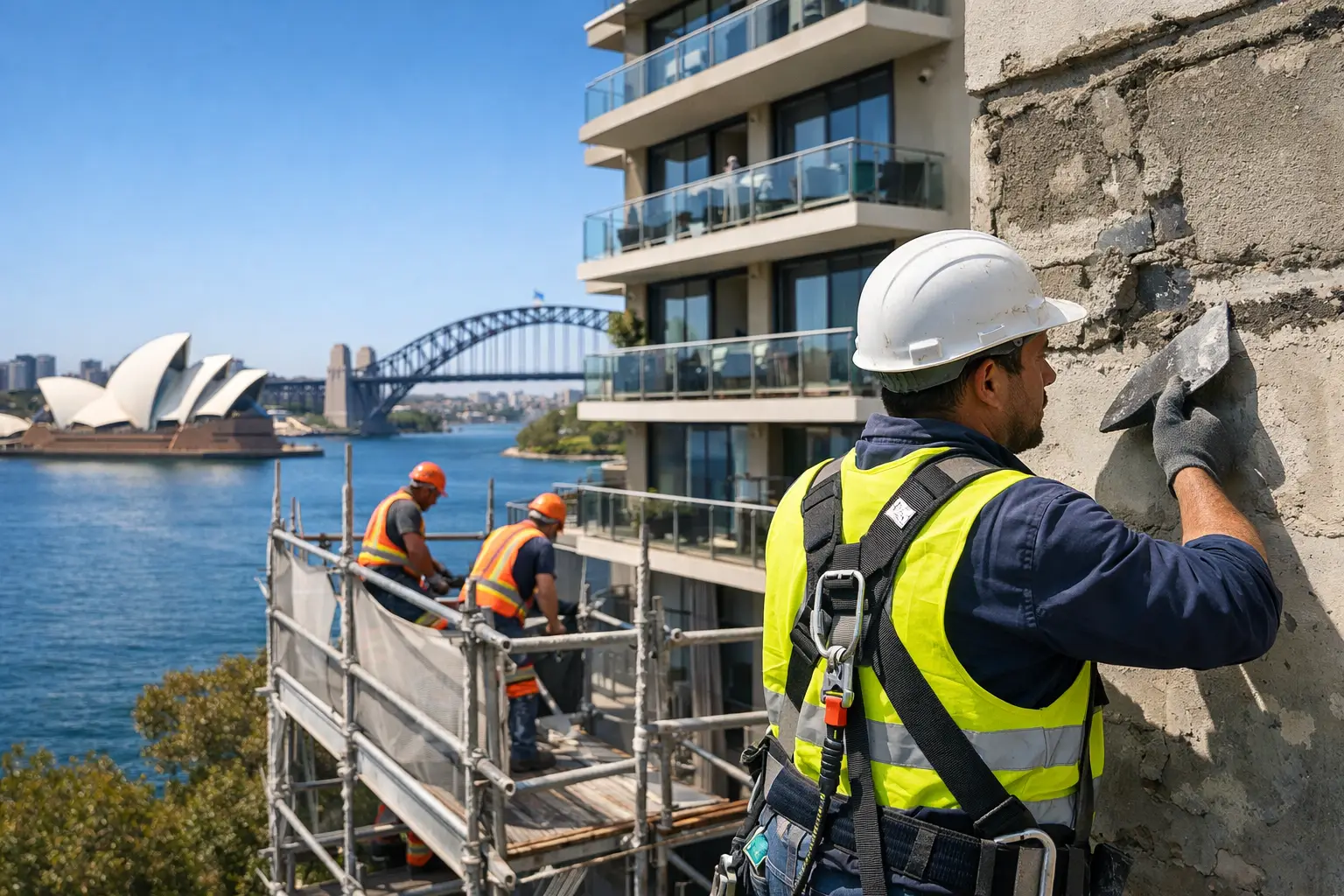
Facade defects can involve failed sealants, loose render, deteriorated brickwork, corroded fixings, water entry around windows or deterioration of cladding interfaces. These works often require elevated access, safety controls and staged programming around occupied areas. Heritage assets add another layer of responsibility, where compatible materials, careful retention of significant fabric and an informed restoration approach are essential.
A coordinated delivery model reduces risk
Complex repairs are not managed effectively by handing separate portions of work to unrelated contractors without a clear technical lead. The investigation findings, engineering requirements, design details, approvals, site methodology and construction sequencing need to align.
Under a Design & Construct approach, the remedial contractor can coordinate these stages through one accountable delivery framework. This does not remove the need for appropriate independent engineering, design or certifier input where required. It does create a clearer chain between the diagnosed defect, the approved repair strategy and the work performed on site.
For clients, this coordination should provide practical visibility. A well-managed project includes a defined scope, programme, access plan, safety controls, quality hold points and regular communication about discovered conditions. Remedial work can reveal concealed damage once finishes are removed. When that occurs, the right response is transparent assessment and documented options, not an undocumented change to the scope.
Compliance must be built into the methodology
Compliance is not an administrative task left until construction is underway. It influences investigation, design, procurement, site controls and records of completed work. Requirements can vary according to the building type, work scope, location and whether structural or Class 2 building elements are affected.
For Class 2 projects in New South Wales, design and construction obligations require particularly careful coordination. Registered practitioners and engineers may need to be engaged for relevant design work, while construction must follow the approved documentation and applicable regulatory processes. Early consideration prevents costly redesign, approval delays and uncertainty once work has started.
Safety also needs to be planned around the building’s daily use. Occupied residential and commercial properties may require controlled access, resident notices, dust and noise management, protection of common areas, temporary weatherproofing and safe separation of work zones. A technically sound repair that ignores these operational realities will still be a difficult project for stakeholders.
Choosing a remedial building partner
The most useful early conversations are specific. Ask how the contractor will establish the cause of the defect, what engineering or design coordination may be needed, how repair options will be compared and who is accountable for managing the work through completion. Experience with the relevant defect type matters, but so does the ability to coordinate specialists, communicate clearly and maintain quality controls on site.
A credible proposal should identify assumptions and exclusions rather than conceal them. It should explain the proposed methodology in enough detail for the client to understand the intended outcome, while recognising that intrusive investigation or demolition can uncover conditions not visible at tender stage.
It is also sensible to consider long-term access and maintenance. A facade coating, membrane or repair system may need periodic inspection, cleaning or planned renewal. Designing for maintainability can reduce future risk, particularly on buildings with difficult access or high exposure to weather.
The right remedial strategy is not necessarily the largest or most expensive scope. It is the scope supported by evidence, appropriate design input and workmanship that addresses the building’s real failure mechanism. When defects are approached with that level of discipline, repair work becomes a considered investment in safety, compliance and the future performance of the asset.