
When a Class 2 building starts showing signs of failure, the question is rarely just what needs repairing. The harder question is whether the building, its documented design, and the proposed rectification works meet the compliance standard required under the current regulatory framework. That is where class 2 compliance remediation becomes more than a repair issue. It becomes a coordinated exercise in diagnosis, design, approvals, construction, and evidence.
For strata managers, owners corporations, developers, and asset holders, this work sits in a difficult space. Defects may be visible as cracking, water ingress, facade movement, membrane failure, or concrete spalling, but the compliance pathway behind those symptoms is often less obvious. If the response is fragmented, the result is usually delay, scope gaps, repeated failures, and rising costs.
What class 2 compliance remediation actually involves
Class 2 compliance remediation is the process of rectifying building defects in Class 2 buildings while ensuring the remedial solution aligns with applicable codes, standards, design obligations, and approval requirements. In practice, that means the works must not only fix the defect but also satisfy the regulatory and technical expectations attached to the building element being repaired or replaced.
Class 2 buildings typically include multi-unit residential buildings where compliance obligations are significant and documentation matters. Once defects affect waterproofing, structure, fire performance, facade systems, balconies, roof areas, or common property elements, remedial works often require formal design input, engineering coordination, and clear construction records.
That distinction matters. A patch repair may stop a leak for six months. A compliant remedial strategy addresses the cause of water entry, checks the substrate condition, reviews junction detailing, confirms the system selection, and ensures the installed outcome can be supported by documentation. The first approach is reactive. The second is accountable.
Why compliance issues arise in remedial projects
Most non-compliant outcomes are not caused by one isolated mistake. They usually develop through a chain of issues – poor original detailing, undocumented changes during construction, ageing materials, deferred maintenance, and previous repair attempts that treated symptoms instead of causes.
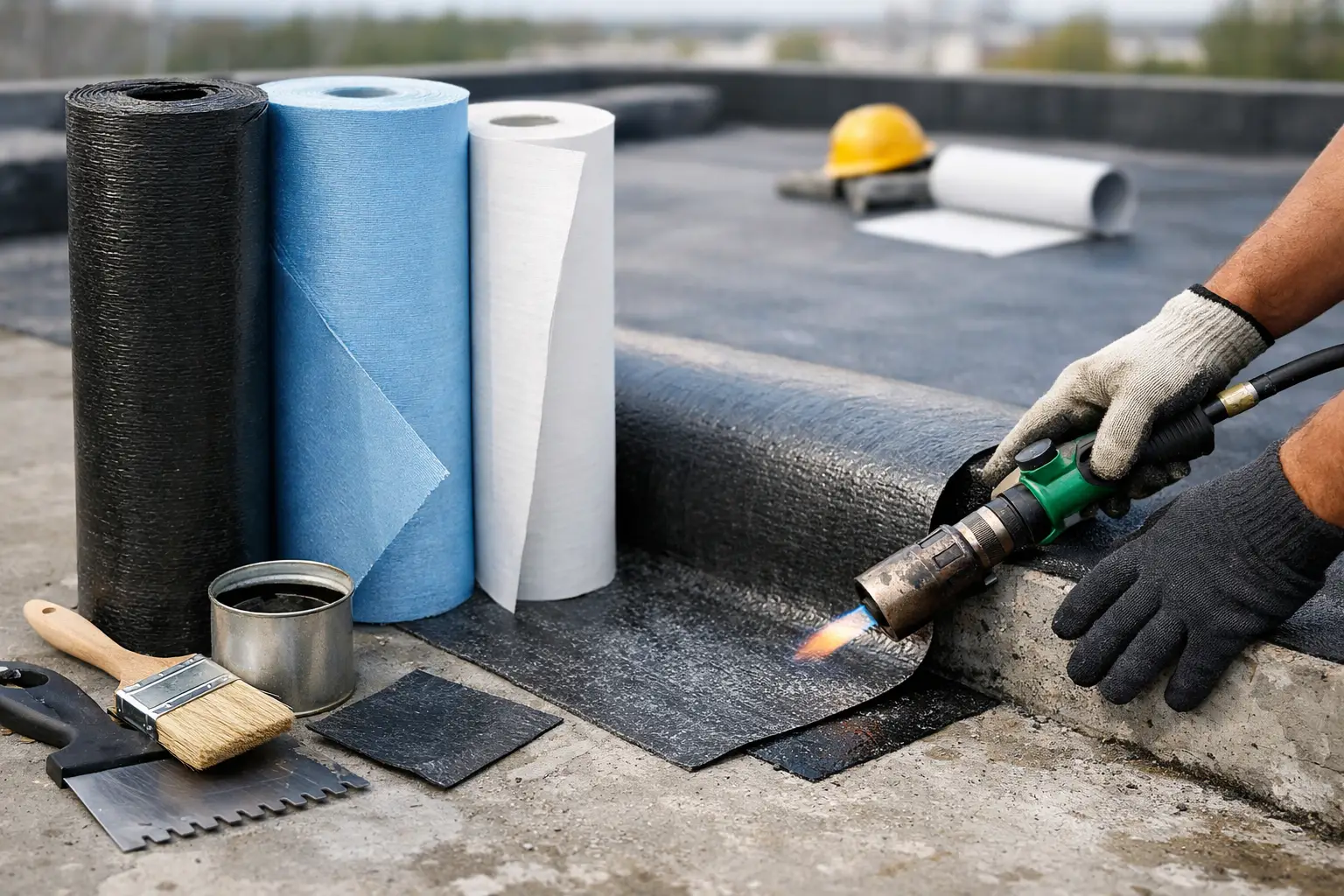
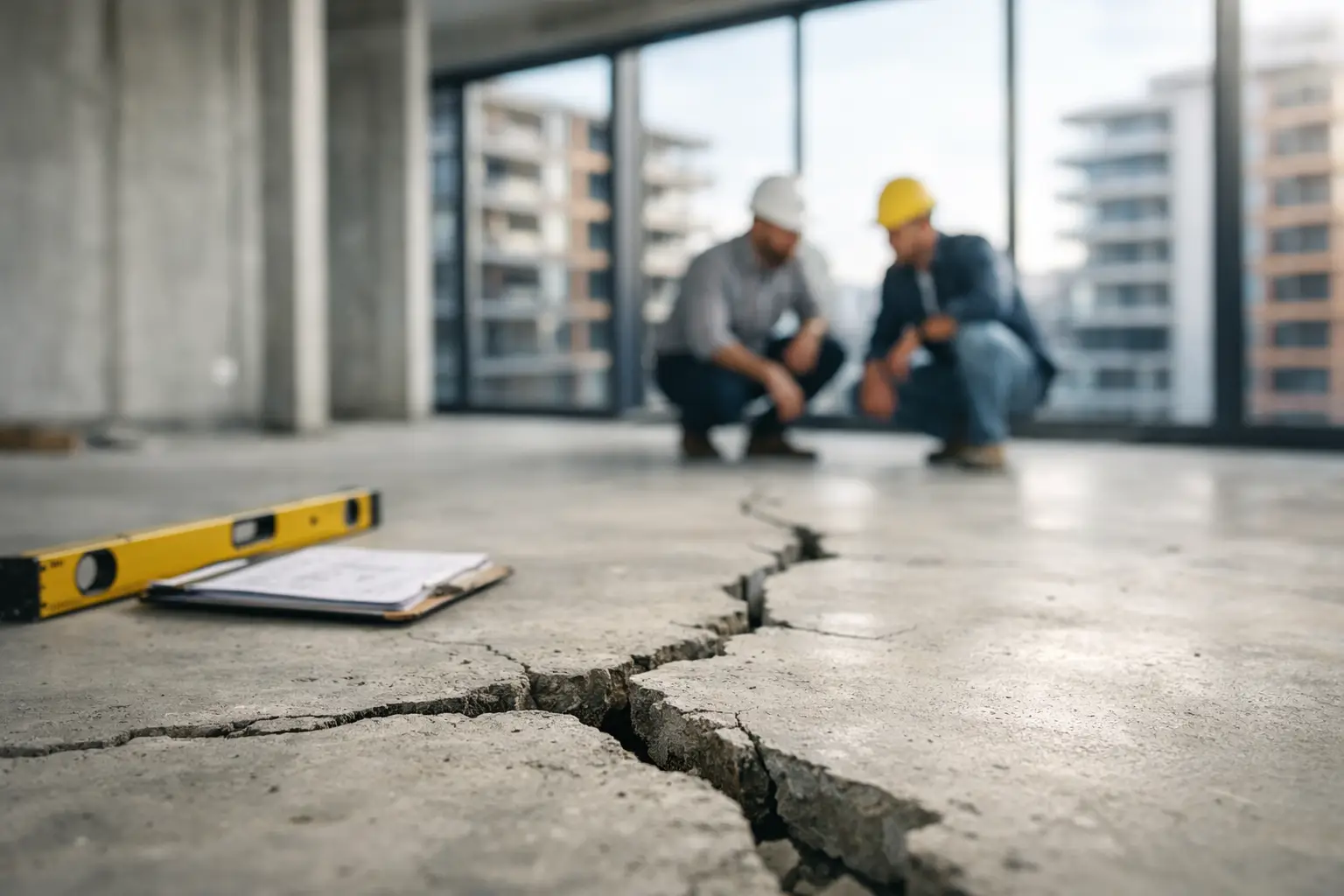
In Class 2 buildings, several recurring problem areas tend to trigger remediation. Waterproofing failures are common, especially where balconies, podiums, planter boxes, roofs, and wet areas were not detailed or installed correctly. Structural cracking and concrete deterioration can expose deeper concerns around moisture penetration, corrosion, movement, and load paths. Facade defects often involve a mix of weatherproofing, substrate breakdown, fixings, and safety risk.
The compliance challenge begins when stakeholders assume that remedial works can be handled like routine maintenance. In many cases, they cannot. Once the repair changes a regulated building element or requires a designed solution, the project needs a properly coordinated remediation pathway.
The first step is not construction
A disciplined remediation process starts with investigation, not demolition. Before anyone prices the job or nominates a repair method, the building needs to be understood properly. That usually means site inspection, defect mapping, intrusive testing where required, review of available design and construction records, and input from relevant practitioners.
This stage often reshapes the scope. What appears to be isolated membrane failure may in fact be linked to slab falls, upturn defects, door threshold detailing, cracked render, or failed movement joints. Concrete spalling may point to long-term water ingress rather than local surface degradation. If the investigation is shallow, the repair strategy will be shallow too.
For owners corporations and strata committees, this is often the point where project confidence either improves or deteriorates. Clear findings, defined causation, and coordinated advice make decisions easier. Ambiguous reporting and disconnected contractor opinions usually do the opposite.
Class 2 compliance remediation needs coordinated design input
Once the defect cause is established, the next step is developing a remedial methodology that is technically sound and compliant. That generally requires collaboration between remedial builders, engineers, and registered design practitioners where applicable.
This is where many projects lose control. If the designer is working in isolation from the construction team, details may be technically correct but impractical to deliver on site. If the builder is left to improvise without sufficient design guidance, compliance risk increases. The better model is coordinated delivery, where investigation findings, design intent, sequencing, access constraints, occupant impacts, and buildability are considered together.
That matters particularly in occupied residential buildings. Class 2 remediation often takes place while residents remain in the building, which affects staging, protection measures, access, noise management, and programme. A compliant outcome still has to be constructible under real site conditions.
Documentation is part of the remediation outcome
In remedial work, stakeholders often focus on the physical repair and overlook the importance of records. For Class 2 buildings, documentation is not an administrative extra. It is part of the project outcome.
Depending on the nature of the works, documentation may include defect reports, design details, specifications, inspection records, product data, engineering input, variations, photographic evidence, and completion records. The exact set of documents will vary by project, and not every repair requires the same level of formality. Still, where compliance is in question, undocumented work creates unnecessary exposure.
If a defect reappears later, poor records make it harder to establish what was found, what was approved, what was installed, and whether the original issue was ever fully addressed. Good documentation supports transparency, helps manage stakeholder expectations, and provides a clearer basis for future maintenance and asset planning.
Cost, scope and compliance are closely linked
One of the most common tensions in class 2 compliance remediation is the gap between the budget stakeholders want and the scope the building actually requires. That tension is understandable. Remedial works can be disruptive and expensive, especially when access systems, structural repairs, facade replacement, or widespread waterproofing failures are involved.
But cutting scope too early usually shifts cost rather than reducing it. A lower initial contract sum can become a larger overall expense if the root cause remains untreated, if latent conditions were not investigated, or if the repair method needs revision mid-project because it was not properly designed from the outset.
There is also a practical difference between necessary remediation and ideal renewal. Not every building element needs full replacement, and not every defect warrants an extensive rebuild. The right approach depends on condition, risk, remaining service life, code requirements, and the consequences of failure. That is why condition-based decision-making is so important. It keeps the conversation grounded in evidence rather than guesswork.
Common pitfalls in Class 2 remediation projects
The pattern is familiar across many buildings. A leak is patched without investigating adjacent elements. Spalling concrete is treated cosmetically while water entry continues behind the surface. The scope is priced from assumptions rather than testing. Different consultants and contractors work from different defect narratives. Six or twelve months later, the building is still underperforming and the stakeholders are paying twice.
Another common issue is underestimating approval and compliance obligations before works begin. If this is left too late, projects stall at exactly the point where residents expect action. Early planning helps identify what level of design, certification, engineering review, and construction documentation will be needed so the programme is realistic from the start.
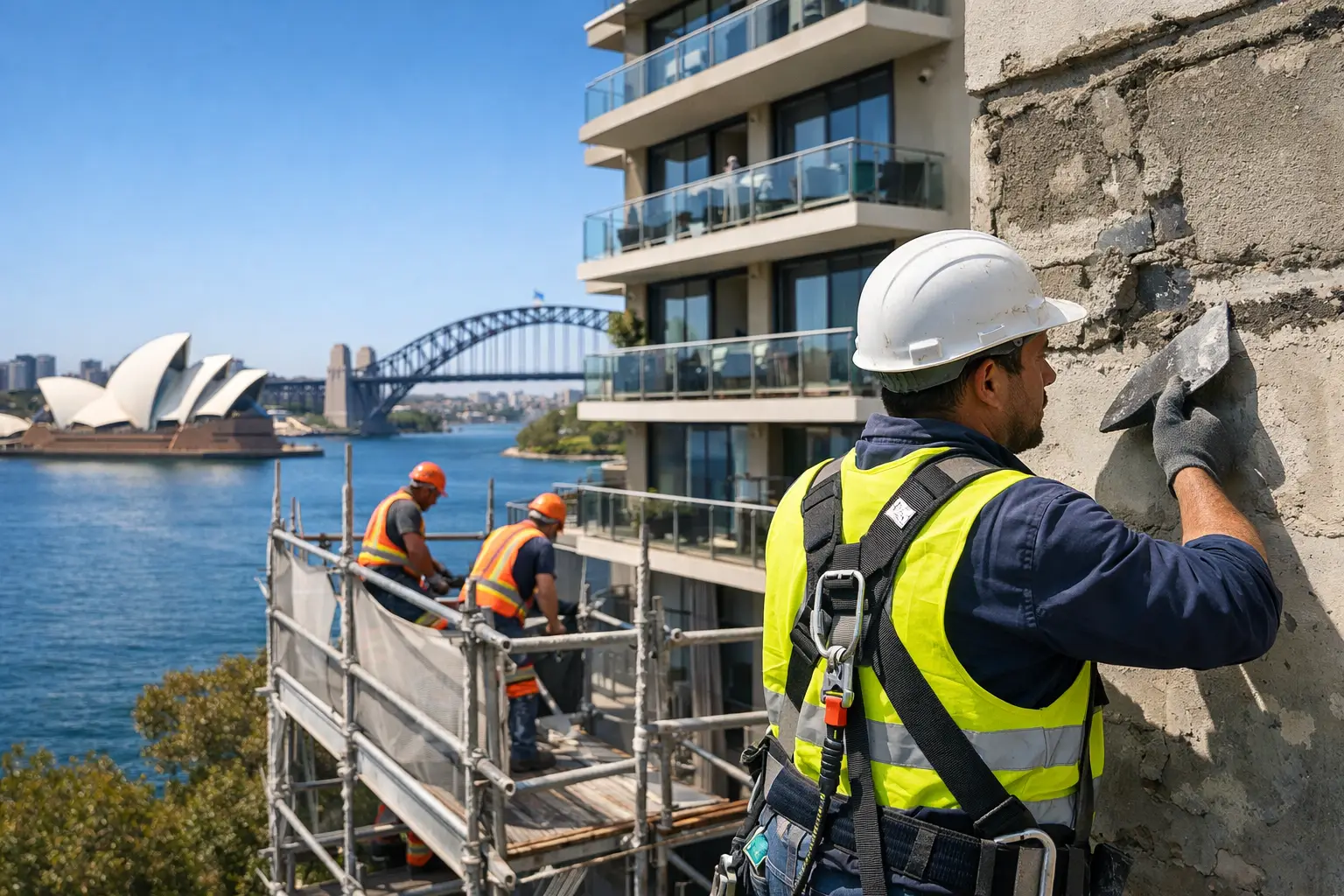
In Sydney, this is especially relevant for ageing apartment stock where repeated water ingress, facade deterioration, and structural wear can overlap with newer compliance expectations. Buildings of different ages and construction types present different constraints, so a standard repair recipe rarely holds up.
What stakeholders should look for in a remediation partner
A capable remedial contractor should be able to do more than quote on visible damage. They should be able to interpret defect evidence, coordinate with designers and engineers, explain the likely compliance pathway, and deliver works in a way that stands up technically and administratively.
That includes honest conversations about uncertainty. Some projects reveal concealed conditions once demolition starts. Some defects are more widespread than early inspections suggest. A dependable team will not pretend otherwise. They will set up the project so those risks are identified, communicated, and managed with as much control as possible.
It also helps when one team can carry the work from investigation through delivery. That continuity reduces handover gaps and keeps accountability clearer. For clients managing difficult buildings, that often matters just as much as the repair methodology itself.
The best class 2 compliance remediation outcomes are not the ones that simply make defects less visible. They are the ones that restore performance, satisfy compliance requirements, and give stakeholders confidence that the building has been treated properly at its cause, not just at its surface.
If you are facing recurring defects in a Class 2 building, the useful question is not how quickly the damage can be covered up. It is whether the next decision moves the building closer to a verified, durable, and defensible outcome.