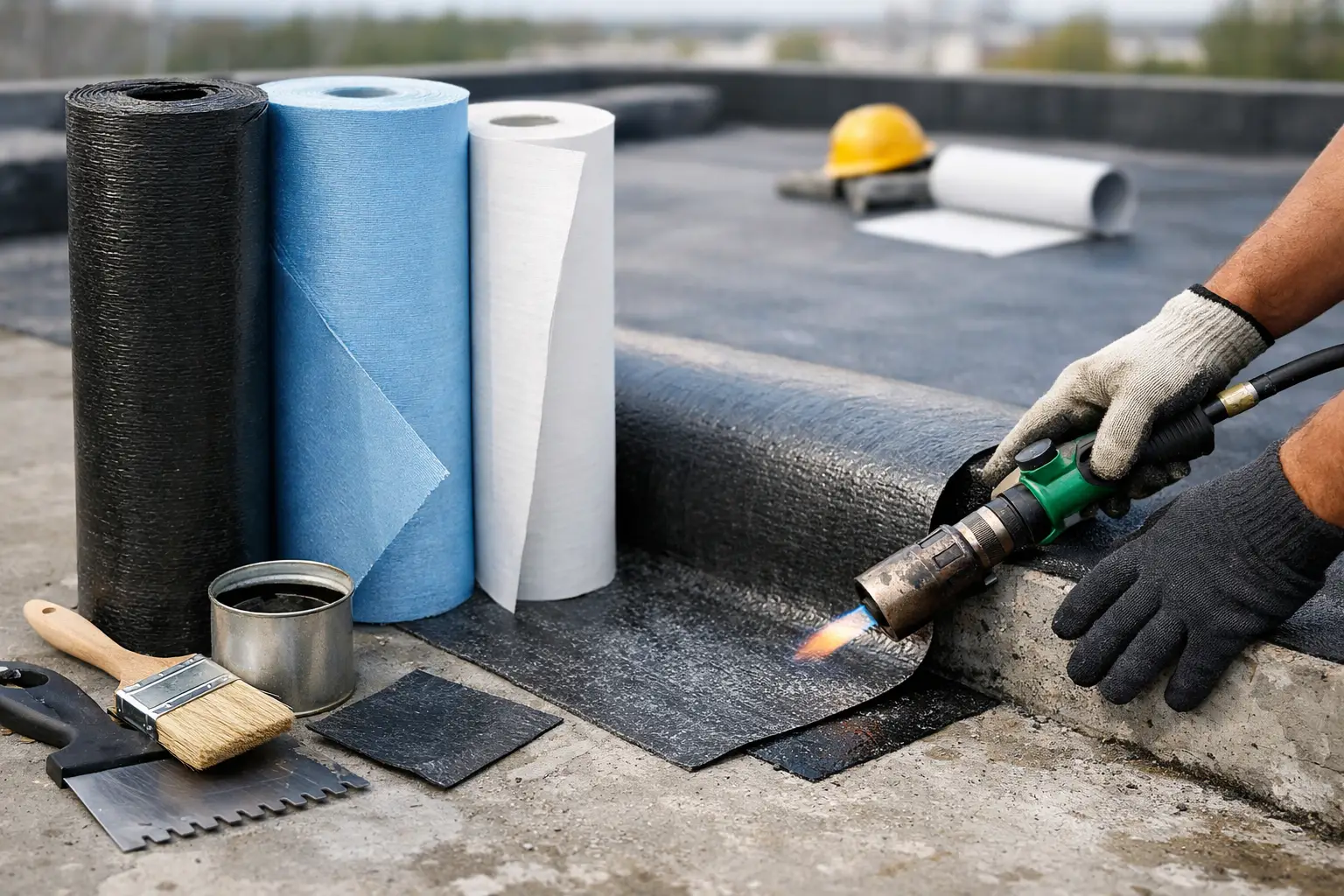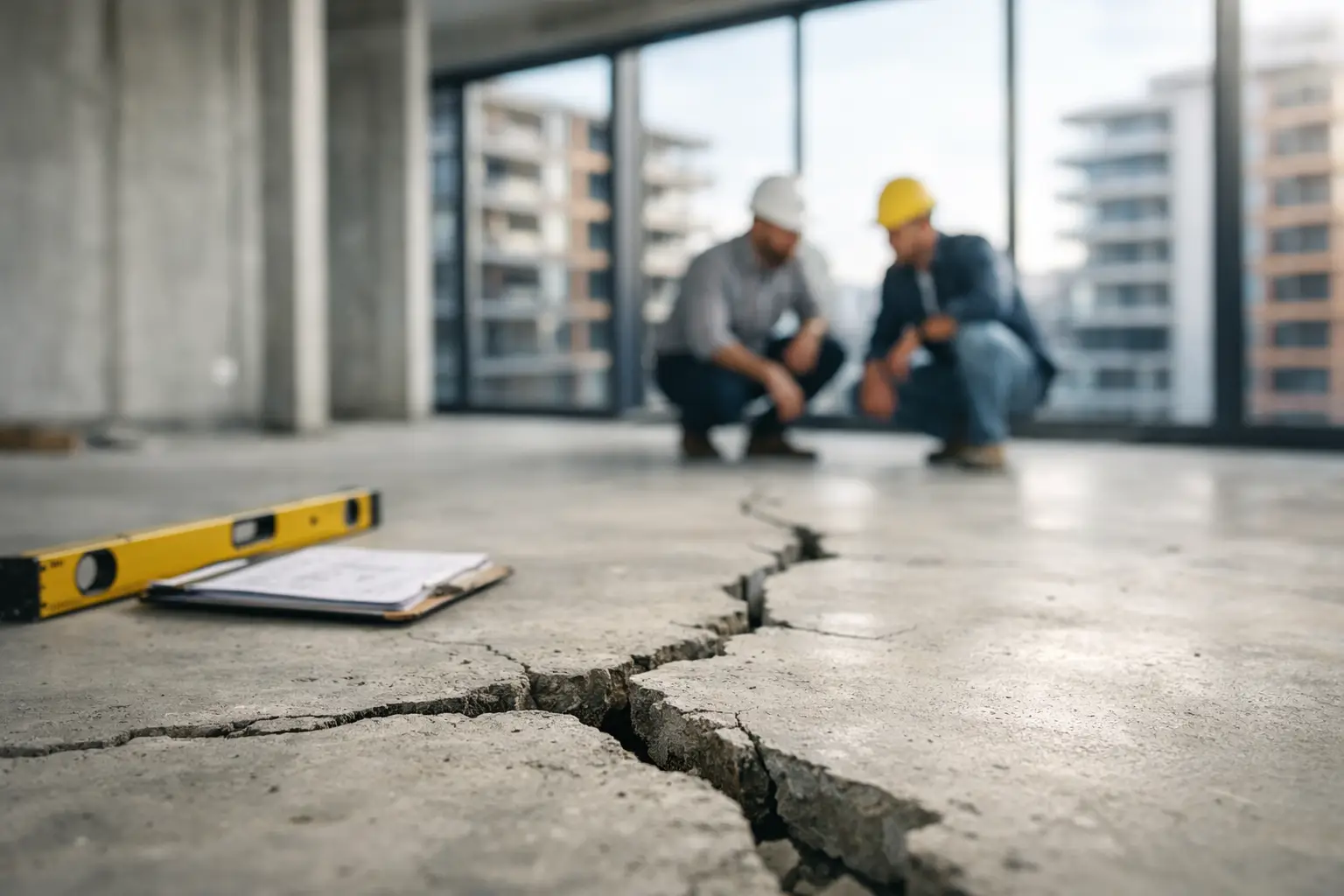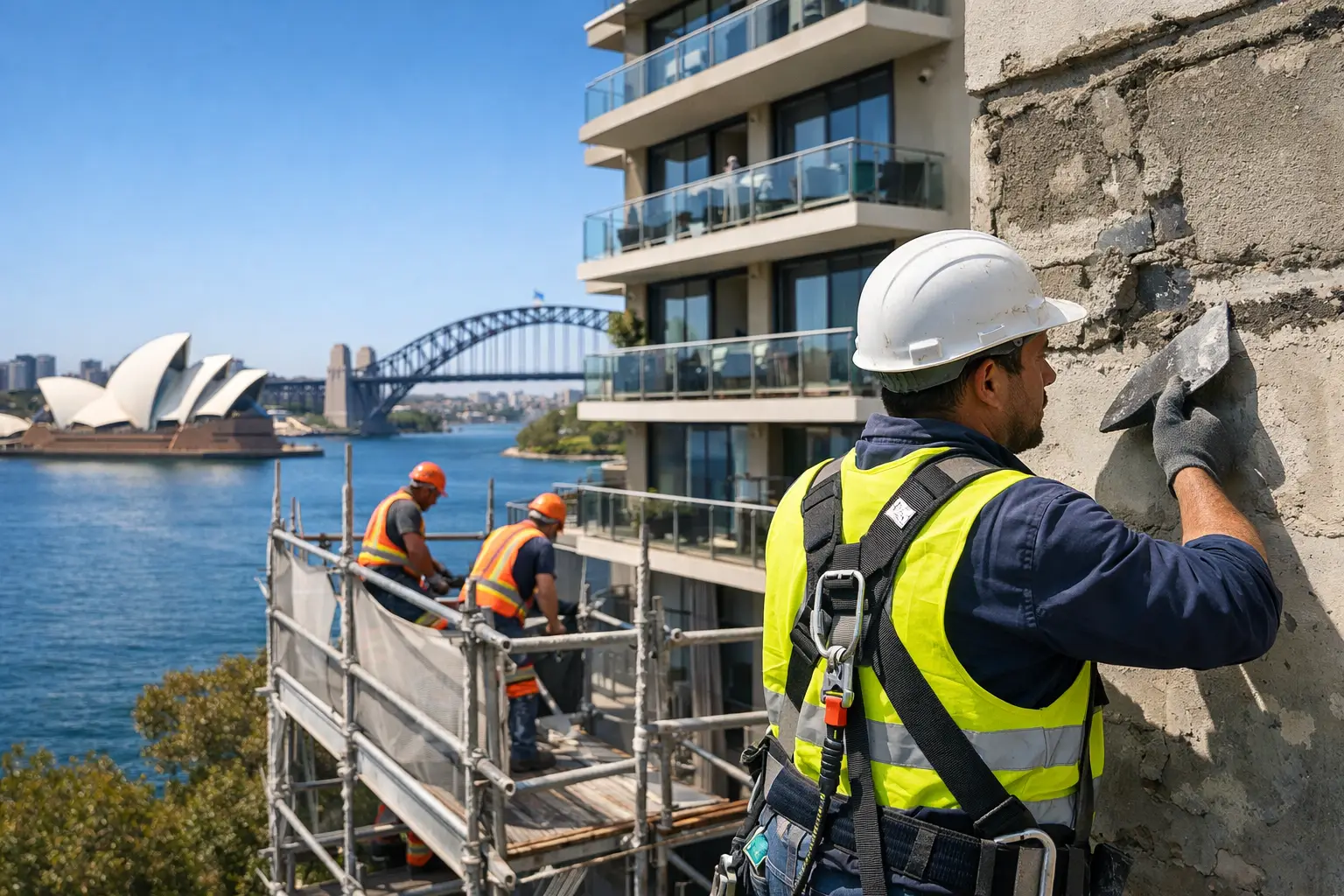
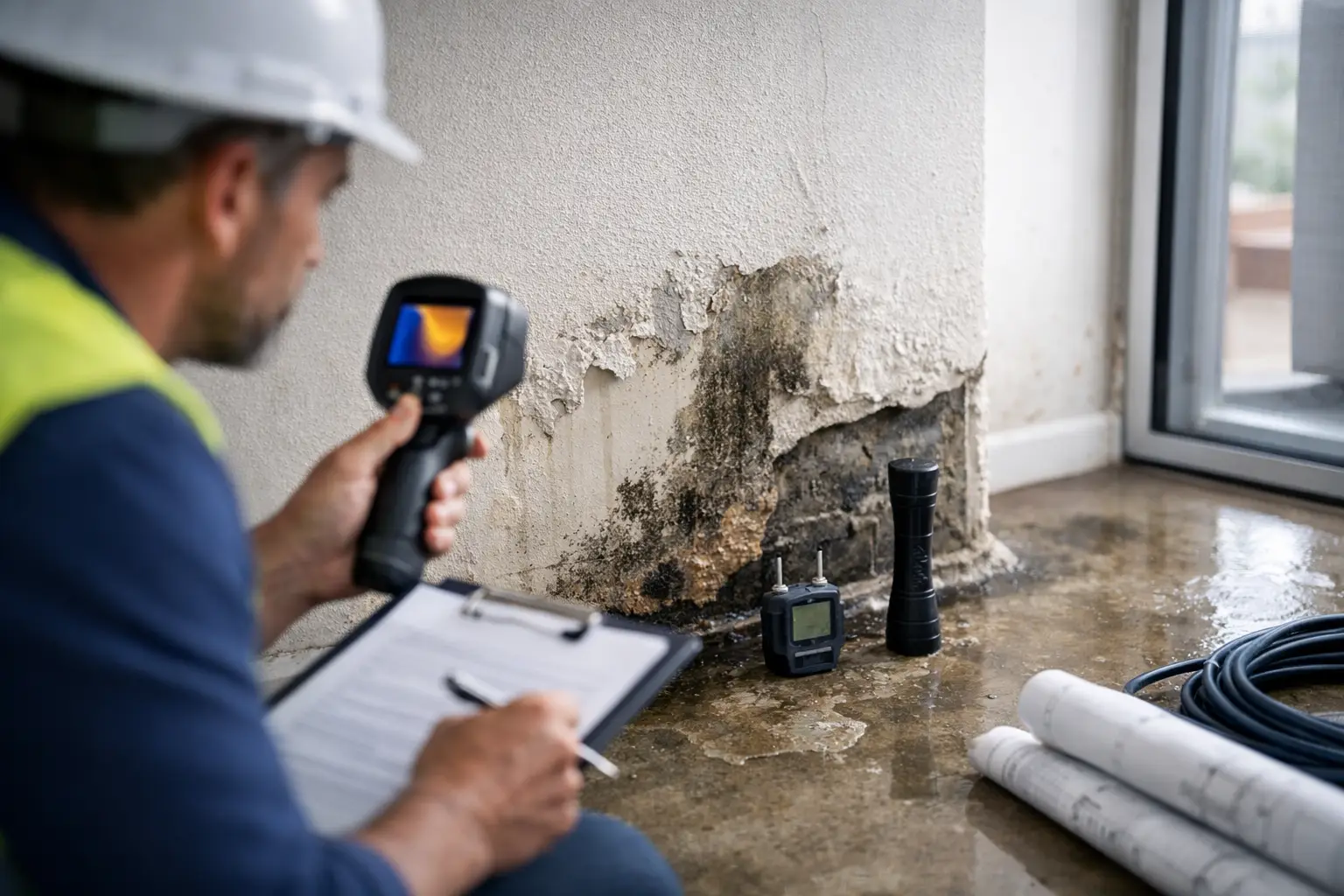
A ceiling stain below a bathroom, blistering paint near a balcony door, damp odour in a basement plant room – these are often treated as isolated maintenance issues until the same problem returns after a patch repair. That is where waterproofing defect diagnosis matters. It is not simply a matter of finding where water appears. It is the disciplined process of determining how water is entering, why the system failed, what secondary damage has occurred, and what compliant rectification path will hold up over time.
For strata committees, owners corporations, asset managers and developers, the cost of getting this wrong is rarely limited to a leak. Waterproofing failures can affect structural elements, internal finishes, common property boundaries, tenancy use, insurance positions and regulatory obligations. A rushed repair might hide symptoms for a few months, but it can also make the eventual rectification broader, more disruptive and more expensive.
What waterproofing defect diagnosis actually involves
A proper diagnosis starts with the understanding that water is deceptive. It can travel laterally through screeds, slab interfaces, wall cavities and service penetrations before becoming visible well away from the failure point. The location of staining is often not the location of the defect.
That is why experienced practitioners do not rely on a single observation. They review the building element as a system – substrate condition, membrane type, detailing, falls, drainage performance, movement joints, terminations, adjacent trades and evidence of previous repair attempts. In many cases, a waterproofing issue is not caused by one defect but by a combination of design limitations, poor installation, ageing materials and deferred maintenance.
This matters particularly in multi-residential and commercial buildings, where balconies, podiums, rooftops, wet areas and planter boxes often interface with doors, facades, structural slabs and internal occupied spaces. The defect path may cross several construction elements, which means the remedy must be coordinated rather than isolated.
Why symptoms alone lead to the wrong repair
A common failure in remedial projects is treating every leak as a membrane problem. Sometimes it is. Sometimes the membrane is intact but the water is entering through an unsealed penetration, failed sealant junction, inadequate set-down, blocked drainage outlet or cracking caused by movement.
For example, a tiled balcony may present with water ingress into the unit below. Re-grouting the tiles might appear to improve the condition briefly, but grout is not the waterproofing system. If the membrane has failed at an upturn, if the threshold detailing is non-compliant, or if the balcony lacks adequate falls to waste, the leak remains unresolved. The surface treatment only delays a proper repair.
The same applies in bathrooms, where silicone failure around fixtures is sometimes blamed for broader moisture migration. In reality, the underlying issue may sit within the hob detail, puddling due to poor falls, membrane discontinuity at floor-to-wall junctions, or water escaping into adjoining rooms through service penetrations.
Key signs that warrant waterproofing defect diagnosis
Not every wet patch means major rectification, but some indicators should trigger a formal investigation rather than reactive maintenance. Recurring leaks after previous repairs are a clear warning. So are efflorescence, tile drumming, loose finishes, swollen skirtings, mould growth, corrosion staining and concrete spalling near wet areas or exposed slabs.
In strata and commercial settings, patterns matter. If multiple lots report similar balcony leaks, if podium areas show widespread blistering, or if basement seepage increases after rainfall, it suggests a systemic issue. At that point, piecemeal attendance by different trades can create confusion instead of clarity.
A disciplined diagnosis is also warranted when buildings are being prepared for major capital works, defect claims, insurance discussions or compliance-related remedial programs. The quality of the initial investigation often determines whether the scope is accurate and defensible.
How a structured diagnosis is carried out
Effective waterproofing defect diagnosis combines site evidence, technical review and selective testing. It usually begins with document review where available. Approved drawings, past reports, waterproofing specifications, repair histories and strata records can reveal whether the original build detail was suitable and whether previous interventions addressed the root cause.
The site inspection then focuses on visible symptoms and likely water pathways. This includes moisture patterns, substrate condition, joint integrity, drainage performance, membrane terminations, cracking, ponding and transitions between building elements. The surrounding construction is just as important as the obvious leak point.
Where required, non-destructive and intrusive methods are used to verify the condition. Moisture readings may help map affected areas, but they are not a diagnosis on their own. Flood testing, hose testing, thermal imaging and borescope inspection can all be useful in the right context. Intrusive investigation may be needed to inspect membrane continuity, screed condition, corrosion activity or concealed substrate deterioration.
The method depends on the building, the risk profile and the level of certainty required. In occupied buildings, there is always a balance to strike between investigation access, disruption and the need for reliable findings. That is why the process should be planned, not improvised.
Common causes uncovered during diagnosis
In practice, waterproofing failures often come back to detailing rather than the membrane product alone. Poor falls to waste remain one of the most frequent issues, particularly on balconies and podiums where water ponds and increases pressure at joints and terminations. Inadequate upturn heights, poorly treated door thresholds and weak drainage design are also common contributors.
Movement is another major factor. Buildings expand, contract and settle. If movement joints are missing, incorrectly located or poorly detailed, rigid finishes and membrane systems can split over time. The leak may present years after completion, which can make the original cause harder to identify without a thorough review.
Workmanship defects also remain a significant issue. Membranes applied to damp or contaminated substrates, inadequate curing, incomplete coverage around penetrations, and poor integration with adjacent materials can all compromise performance. In older buildings, age-related deterioration and incompatible past repairs may compound the problem.
Why diagnosis must connect to repair strategy
The value of diagnosis lies in what it enables next. A report that states there is moisture present is not enough. The findings need to support a repair methodology that is technically sound, proportionate to the defect and aligned with compliance requirements.
That may mean localised repair where the defect is isolated and the surrounding system remains serviceable. In other cases, full replacement is the only responsible option because the failure is systemic or the build-up cannot be relied upon. This is where experience matters. Over-scoping creates unnecessary cost, but under-scoping simply shifts the risk forward.
On larger buildings, the repair strategy may also need engineering input, design coordination, sequencing around occupants, and staged delivery to maintain safety and access. If waterproofing failure has already caused concrete deterioration, facade damage or internal fitout loss, the scope must account for those interconnected issues as well.
Waterproofing defect diagnosis in complex building environments
Sydney buildings present a mix of challenges – coastal exposure, ageing stock, high-density Class 2 construction, and a large volume of buildings where balconies and podiums are heavily used but not always well maintained. Add in inconsistent historical documentation and multiple past contractors, and the need for clear accountability becomes obvious.
In that context, waterproofing defect diagnosis works best when it forms part of a broader remedial framework. Instead of separating investigation, design advice and construction into disconnected packages, a coordinated approach reduces the risk of scope gaps and conflicting recommendations. Remedial Building Practitioners applies this model because diagnosing the defect and delivering the rectification should be connected by the same focus on cause, compliance and long-term performance.
For owners and managers, that coordination translates into better decision-making. You are not just getting a description of damage. You are getting a pathway from evidence to rectification.
What stakeholders should ask before approving repairs
Before committing funds to waterproofing works, it is reasonable to ask whether the cause has been confirmed, whether adjacent construction has been considered, and whether the proposed repair is compatible with the existing building conditions. It is also worth asking what hidden damage may sit beneath finishes and how the scope deals with access, staging and occupant impact.
If the answers are vague, the risk remains high. Waterproofing defects rarely reward assumptions. The more complex the building, the more disciplined the diagnosis needs to be.
A well-run investigation does more than explain a leak. It gives stakeholders enough confidence to act decisively, with a scope that addresses the real problem rather than the visible symptom. That is usually the point where remedial works stop feeling reactive and start protecting the asset properly.
The most practical next step is often the simplest one – treat recurring water ingress as a building defect until proven otherwise, and insist on a diagnosis that can stand behind the repair.