A heritage facade can look stable from the street while hiding active water ingress, corroded embedded steel, failed mortar joints or movement that has been developing for years. That is why heritage building restoration specialists are not simply tradespeople working on older properties. They are part of a disciplined remediation process that has to balance conservation, structural performance, safety, compliance and long-term asset protection.
For owners corporations, strata managers, commercial asset managers and property owners, that balance matters. Heritage buildings often carry architectural, civic and commercial value at the same time. If repairs are rushed, poorly sequenced or based on assumptions rather than investigation, the result is usually expensive rework, avoidable damage to original fabric and ongoing defects that continue to affect the building after the project is signed off.
What heritage building restoration specialists actually do
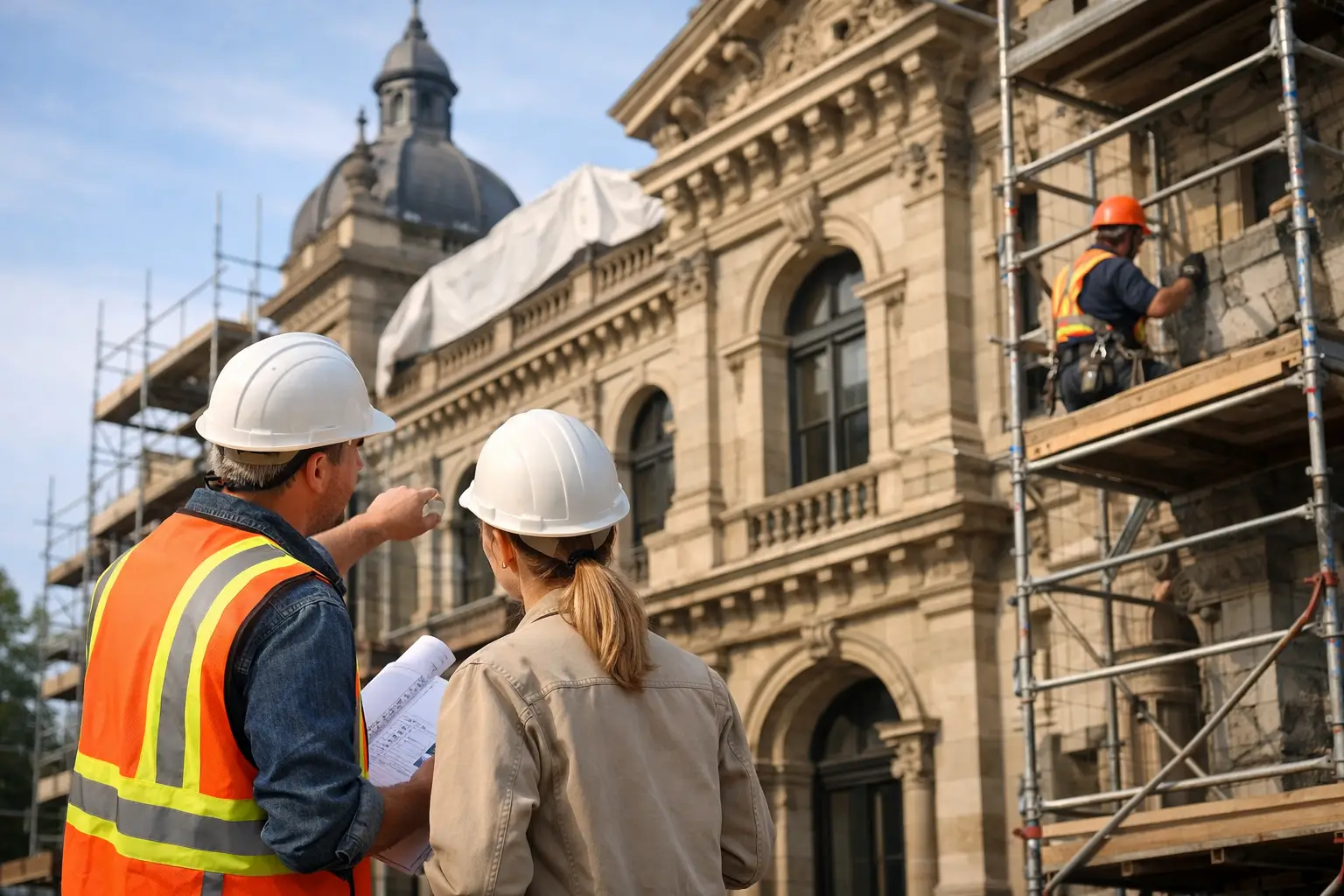
The role of heritage building restoration specialists is often misunderstood. Many people assume heritage restoration is mainly about matching finishes or preserving visual character. Appearance is part of the job, but it is rarely the whole job.
In practice, heritage restoration involves diagnosing deterioration, identifying root causes, coordinating appropriate consultants, developing repair methods that respect the existing building fabric and delivering works in a way that satisfies both performance and approval requirements. On a masonry building, for example, visible cracking may relate to moisture entry, substrate movement, corroding steel, incompatible previous repairs or a combination of all four. Treating the crack alone does not resolve the underlying issue.
That is where a coordinated remedial approach becomes essential. Effective restoration requires more than isolated patching. It requires investigation-led decisions, engineering input where required and construction delivery that follows an agreed methodology rather than improvised site fixes.
Why diagnosis comes before repair
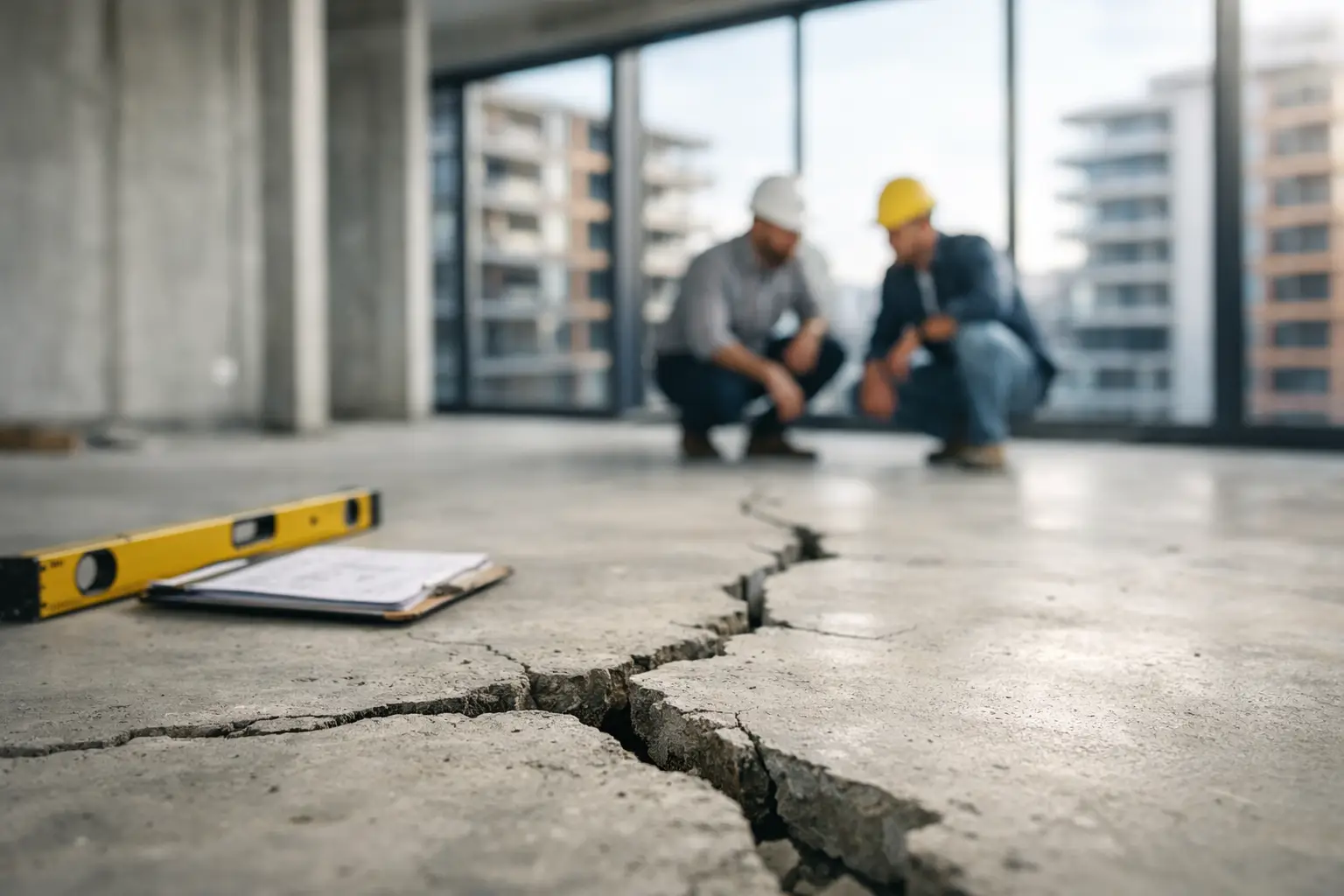
Older buildings tell the truth slowly. Moisture can track behind rendered surfaces for years before it appears internally. Concrete spalling may begin as minor staining before sections of cover break away. Decorative stone, brick or render details may show superficial wear while the substrate behind them continues to deteriorate.
For this reason, the strongest heritage outcomes start with diagnosis. Before any scope is finalised, the project team needs to understand what is failing, why it is failing and how far the problem extends. That may involve close-up inspection, sounding, material assessment, moisture investigation, defect mapping and review of previous interventions.
This stage can feel slower than some stakeholders expect, especially when there is pressure to “just fix it”. But skipping proper investigation usually creates larger risks later. If the real cause is hidden water entry or structural movement, cosmetic repairs will only delay failure. In heritage work, that delay often means further loss of original material and a more intrusive repair program later on.
Heritage restoration is rarely just cosmetic
One of the most common mistakes in older buildings is treating deterioration as a presentation issue. Repainting over damp substrates, repointing with incompatible mortar or replacing damaged sections without addressing moisture pathways may improve appearance briefly, but it can accelerate decay.
Good heritage work respects the fact that older buildings perform differently from modern assemblies. Materials expand, absorb moisture and age in their own way. Repair methods need to account for that. A solution that works on a contemporary facade may be unsuitable for a heritage wall system if it traps moisture, creates differential movement or changes the way the building breathes.
The trade-offs heritage projects need to manage
Heritage restoration is full of decisions where the answer depends on context. Full replacement is not always wrong, and preservation at all costs is not always practical. The right approach depends on the condition of the element, the significance of the fabric, safety requirements, available access, budget constraints and approval conditions.
In some cases, localised repair and retention of original material is the preferred path because it preserves authenticity and limits intervention. In others, the material loss is too advanced, or the structural risk too high, and a carefully documented replacement is more responsible. The same applies to coatings, waterproofing interfaces, anchoring methods and facade stabilisation details.
Experienced specialists know that heritage value does not remove the need for technical performance. It raises the standard for how performance is achieved. The work still has to be safe, durable and compliant. It also has to be sensitive to the building’s character and existing fabric.
Where heritage building restoration specialists add value
The greatest value is usually in coordination. Heritage projects involve more variables than standard repair works. There may be heritage consultants, engineers, strata committees, managing agents, commercial tenants, certifiers and local authority requirements all influencing the program.
A fragmented contractor model can make these projects difficult to control. One consultant identifies defects, another prepares partial details, a separate contractor prices against incomplete information and the owner is left managing gaps between diagnosis and delivery. This is where projects often drift into variation disputes, delays and inconsistent workmanship.
A coordinated Design and Construct remediation model can reduce that risk when it is handled properly. Diagnosis, repair methodology, consultant coordination, approvals support and on-site execution are aligned under one accountable delivery framework. That does not remove the need for independent professional input where required, but it does create clearer responsibility for how the repair strategy is developed and built.
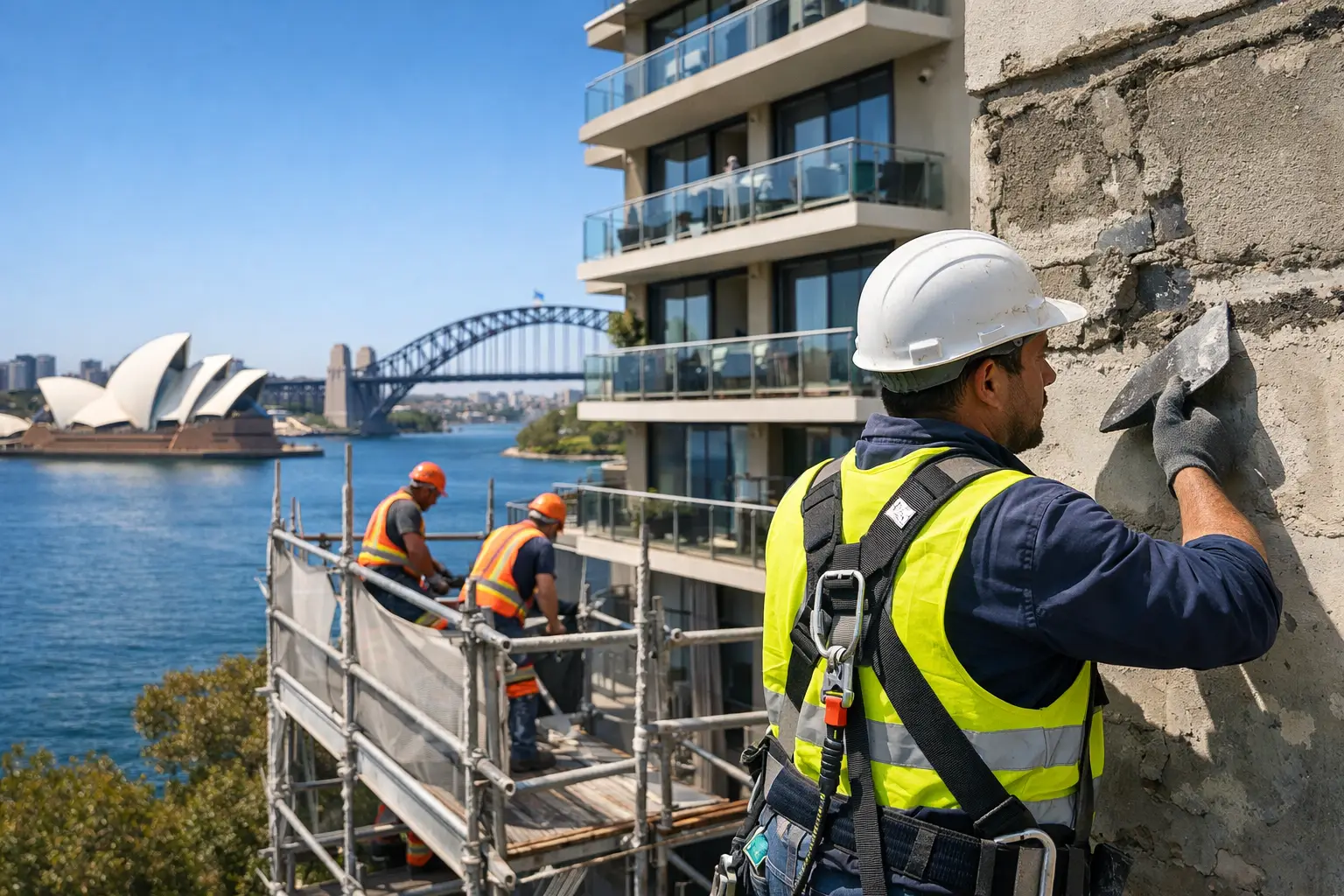
For complex heritage assets in Sydney, this level of coordination can be especially important where access constraints, ageing materials, live occupancy and compliance obligations all intersect on one site.
Common issues in heritage buildings
While every building has its own history, certain defect patterns appear regularly in heritage restoration projects. Water ingress is one of the most destructive because it affects multiple building elements at once. It can drive render failure, internal damage, timber decay, corrosion and mould-related complaints while remaining difficult to trace.
Facade deterioration is another recurring problem. Cracked masonry, failed pointing, loose parapet elements, drummy render and rust-jacked steel can all create safety risks as well as heritage loss. If left unresolved, small defects can become major structural and access issues.
Concrete deterioration also appears in many later heritage and character buildings, particularly where balconies, slab edges or decorative concrete features have been exposed to long-term moisture ingress. The repair method must address the cause of corrosion, not just the visible breakouts.
Previous poor repairs are often part of the problem. Hard cement mortars, incompatible sealants, trapped moisture behind coatings and unsympathetic replacements can all shorten the service life of the surrounding original fabric.
What to look for when engaging heritage building restoration specialists
Technical capability matters, but so does process discipline. The right contractor should be able to explain how defects will be investigated, how repair methods will be selected, what consultant input is needed and how the project will be documented and delivered.
Look for clarity around sequencing, access, safety controls, quality assurance and compliance. Ask how original materials will be retained where possible, how replacement materials will be assessed, and how hidden deterioration will be managed if conditions uncovered on site differ from the initial scope.
Transparency is also critical. Heritage works can uncover latent conditions, and not every issue is visible at tender stage. What matters is whether the team has a disciplined framework for assessing discoveries, communicating implications and adjusting the methodology without losing control of cost, program or quality.
Remedial Building Practitioners approaches this type of work through root-cause investigation, coordinated consultant input and accountable construction delivery, which is often what stakeholders need when the building problem is larger than the visible defect.
A restoration project should improve certainty, not add more risk
For stakeholders responsible for an ageing heritage asset, the real objective is not simply to make the building look better. It is to reduce risk, preserve value and ensure the property remains safe, functional and defensible from a compliance and asset management perspective.
That is why the best heritage restoration outcomes come from a measured approach. Investigate first. Confirm the causes. Build a repair methodology that respects the building and performs technically. Then deliver the works with proper coordination and accountability.
When heritage buildings are treated with that level of care, restoration becomes more than preservation. It becomes a practical investment in the life of the asset, the confidence of its stakeholders and the continued use of a building that still has work to do.