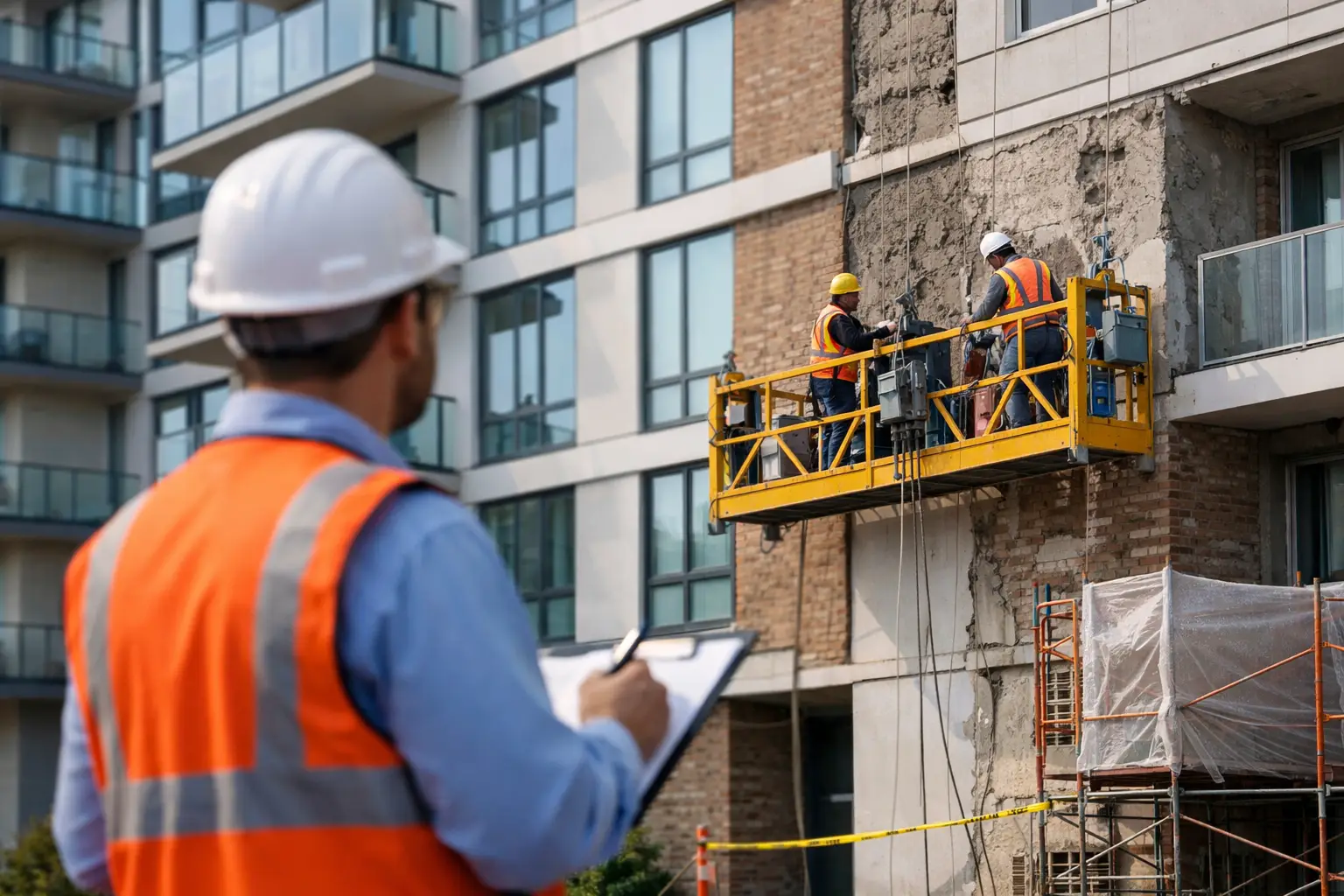
When a Class 2 building starts showing signs of failure – water ingress through balconies, concrete spalling, facade cracking, membrane breakdown or structural movement – the problem is rarely limited to the visible damage. Class 2 building remediation requirements sit at the intersection of compliance, engineering, design responsibility and construction delivery, which means the right response starts with diagnosis, not patchwork repairs.
For strata committees, owners corporations, developers and asset managers, that distinction matters. A remediation project that only treats surface symptoms can leave the underlying defect active, increase future repair costs and create further compliance exposure. In Class 2 settings, where residential use, occupant safety and statutory obligations are all in play, remediation needs to be approached as a coordinated building process rather than a maintenance job.
What Class 2 building remediation requirements really involve
In practical terms, Class 2 building remediation requirements are not just about fixing damaged elements. They involve identifying the defect mechanism, determining whether regulated design is required, aligning the proposed scope with the National Construction Code and relevant NSW regulatory obligations, and then carrying out the works with the right level of documentation, oversight and quality control.
That often means several disciplines need to work together. A leaking podium may involve waterproofing consultants, structural engineers, facade specialists and registered design practitioners. Concrete deterioration might require destructive investigation, corrosion analysis, repair design, access planning and sequencing around occupied areas. The common thread is that remediation has to be based on evidence.
This is where many projects either stabilise or go off course. If the early diagnosis is weak, every downstream decision becomes less reliable – from budget forecasting to approvals, procurement and construction methodology.
Why Class 2 projects carry extra scrutiny
Class 2 buildings are multi-unit residential buildings, and that classification changes the level of scrutiny around design, construction and rectification. Defects in these buildings can affect not only asset performance, but habitability, weatherproofing, fire safety, structural adequacy and the legal responsibilities of those managing the property.
In NSW, reforms affecting Class 2 work have increased the need for clear design accountability and properly coordinated documentation. That does not mean every defect repair follows the same pathway, because the answer depends on the scope. Some works may be relatively contained. Others may trigger formal design and compliance requirements because they alter or rebuild regulated building elements.
The key point is this: remediation in a Class 2 building should never be assumed to be straightforward because it is labelled as repair work. If the work affects waterproofing, structure, facade systems or other critical elements, the compliance pathway needs to be assessed carefully at the start.
The first requirement is a proper defect investigation
Before repair methodology is selected, the defect itself needs to be understood. That sounds obvious, but many costly remediation failures begin with assumptions.
A proper investigation generally includes a review of building history, previous reports, complaint patterns, original design intent where available, and the physical behaviour of the defect over time. Site testing and intrusive inspections may also be required. For example, a ceiling stain in an apartment may be caused by failed balcony membranes above, cracked facade junctions, inadequate falls, blocked drainage or service penetrations. The visible symptom is only one part of the picture.
This stage informs whether the issue is isolated, systemic or progressive. That distinction affects everything from staging and budgeting to whether temporary risk controls are required before permanent rectification begins.
Design documentation is often part of Class 2 building remediation requirements
Where remediation works involve building elements that require regulated design, the project should be supported by suitably prepared design documentation. In Class 2 buildings, this can be especially important where there is structural repair, waterproofing replacement, facade rectification or rebuilding of defective construction.
The design needs to do more than describe a repair product. It should define the defect cause, the intended repair outcome, technical specifications, sequencing assumptions, substrate preparation requirements, compatibility of materials and any interfaces with adjacent construction. If those points are vague, the project becomes exposed to interpretation on site.
That is where experienced coordination matters. Good remediation documentation reduces the risk of variations driven by uncertainty, avoids mismatched scopes between consultants and contractors, and provides a clear benchmark for quality assurance.
Approvals and compliance are not a side issue
One of the more common mistakes in remedial projects is treating approvals as an administrative step after the scope has already been settled. In reality, compliance requirements can shape the scope from the beginning.
Depending on the nature of the works, there may be a need to consider building approvals, regulated designs, declarations, council or certifier requirements, strata approvals, heritage considerations, access constraints and occupied building safety obligations. Not every project will trigger every requirement, but every project should be checked against them.
For owners corporations and managers, this is where uncertainty often creates delay. A scope may appear ready to proceed, only to discover that design responsibilities have not been formalised, documentation is incomplete, or the proposed methodology does not align with the approval pathway. Early coordination avoids expensive restarts.
Construction delivery must match the remedial intent
A technically sound scope can still fail if site delivery is not controlled properly. Remediation is rarely linear. Once demolition or opening-up begins, concealed conditions often emerge. Corroded reinforcement may be more extensive than expected. Membrane termination details may differ from earlier assumptions. Structural cracking may point to movement that was not fully captured in preliminary reporting.
That is why Class 2 remediation works need disciplined site management, transparent communication and responsive coordination between contractor, engineer, design practitioner and client-side stakeholders. It is not enough to have a specification in a folder. The works need to be inspected against the intent of the repair design and adjusted properly when site conditions justify it.
For occupied residential buildings, delivery also needs to account for resident communication, access management, protection of common areas, noise controls, safety segregation and staging that keeps the building functional where possible. Those practical constraints are not separate from compliance – they are part of responsible project execution.
Common work types that trigger closer assessment
Some forms of defect rectification in Class 2 buildings warrant particularly careful review because they often involve critical building elements.
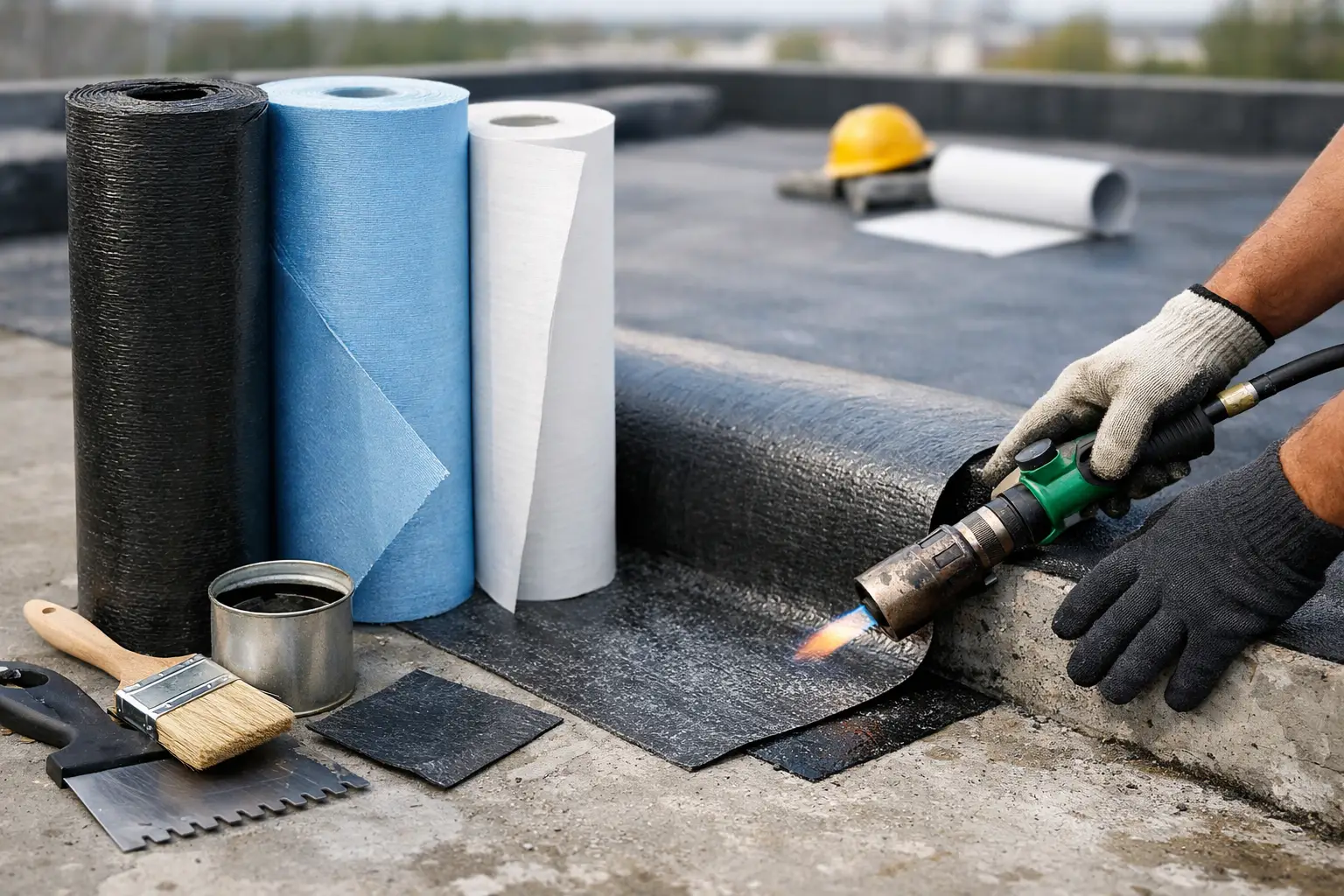
Waterproofing remediation is a major one. Failed membranes in rooftops, balconies, podiums, planter boxes and wet areas can damage structure, internal finishes and adjoining lots. But membrane replacement is rarely just a product issue. Falls, drainage, terminations, movement joints and substrate condition all influence whether the repair will last.
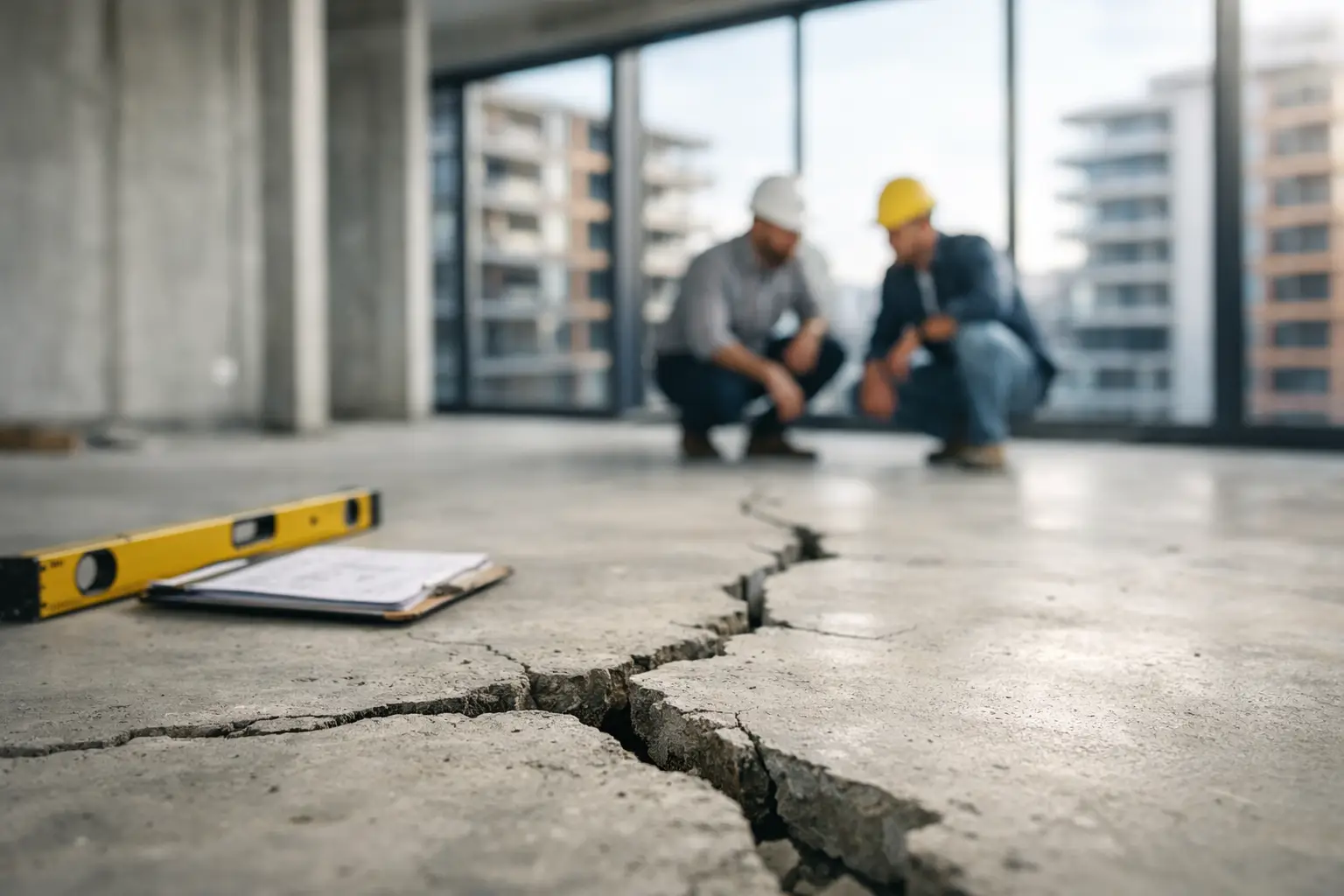
Concrete repair is another. Spalling and reinforcement corrosion can appear localised while actually reflecting broader moisture ingress or inadequate cover. If the root cause is not addressed, patch repairs alone may simply restart the deterioration cycle.
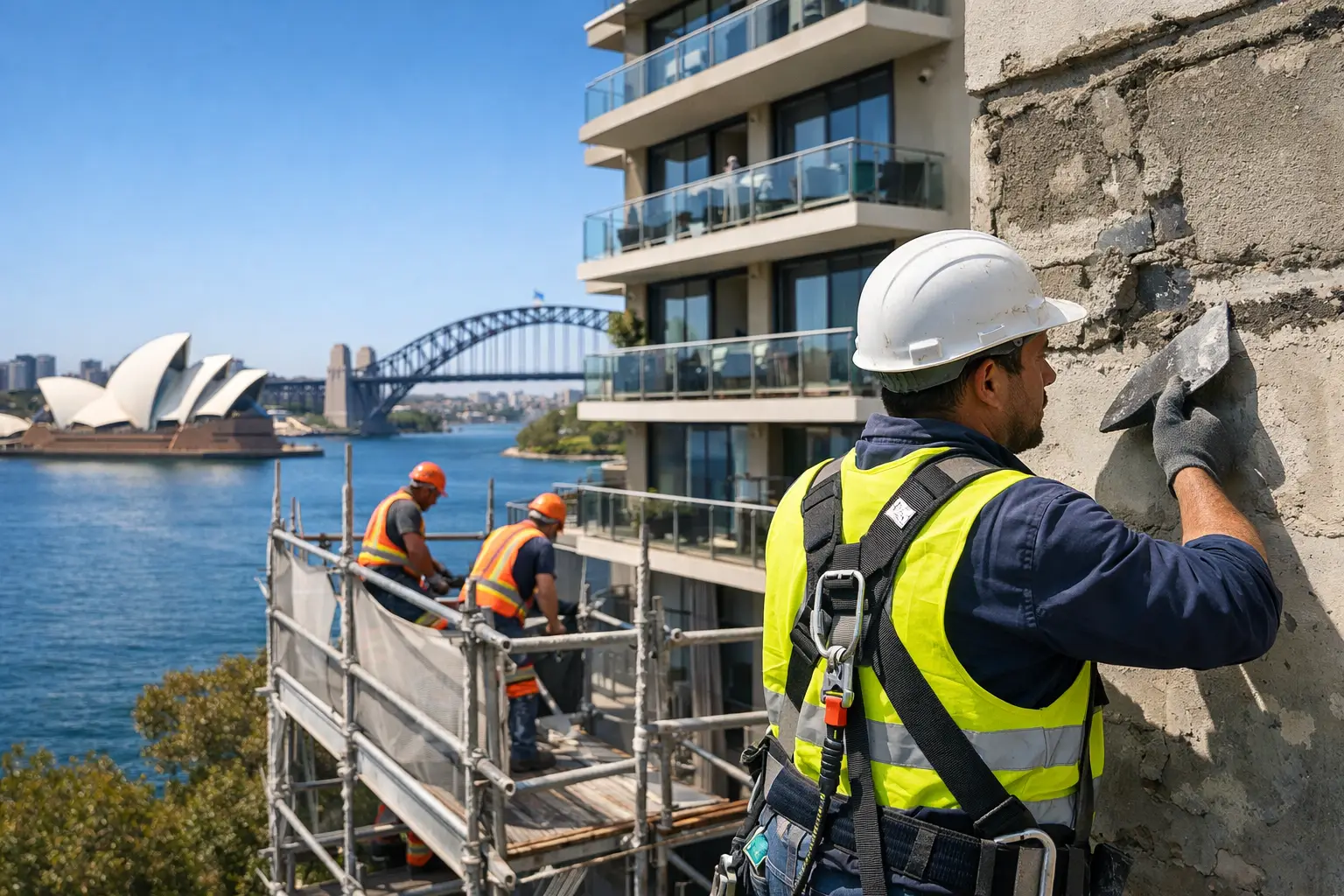
Facade rectification also carries complexity. Cracking, failed sealants, loose render, masonry deterioration and water penetration can involve both weatherproofing and structural interface issues. In taller or occupied buildings, access methodology and public safety controls become part of the planning requirement.
Why lowest-cost repair scopes often become the most expensive
For decision-makers under pressure to act quickly, a low-cost proposal can be tempting, particularly when defect fatigue has already set in across a strata committee or ownership group. But there is a difference between efficient remediation and under-scoped remediation.
A cheaper scope may exclude investigation, omit design coordination, rely on assumptions about concealed conditions or avoid the root-cause issue altogether. On paper, that looks like a saving. In practice, it often leads to repeat failures, dispute over scope gaps, escalating variations and shorter repair life.
By contrast, a well-developed remedial pathway may appear more involved at the outset because it includes investigation, engineering input, documentation and controlled delivery. That upfront discipline is what gives the work a better chance of performing over the long term.
A coordinated model reduces risk across the project
Class 2 remediation projects tend to perform better when diagnosis, design coordination, approvals planning and construction delivery are aligned from the beginning. Fragmented delivery can work on simple maintenance items, but it is less reliable when defects are technically complex or compliance-sensitive.
A coordinated remedial contractor working alongside registered practitioners and engineers can help close the common gaps between report findings, repair documentation and on-site execution. That is particularly valuable where multiple defect types overlap, such as waterproofing failure contributing to structural deterioration and facade damage at the same time.
For many clients, the real value is accountability. Instead of separate parties pointing to one another when conditions change, the project is managed through a structured process with clear responsibilities, transparent reporting and a defined repair objective. That is the standard Remedial Building Practitioners applies because complex buildings require more than isolated trade fixes.
What stakeholders should ask before works begin
Before approving a remediation scope, stakeholders should be clear on a few points. Has the root cause been properly investigated? Does the proposed work require formal design input or regulated documentation? Are approvals and compliance obligations understood? Is the scope written in a way that can be built, inspected and verified? And is the delivery team set up to manage occupied building constraints and concealed-condition risk?
If those questions cannot be answered clearly, the project is not ready.
Class 2 building remediation is rarely just about making defects disappear. It is about restoring performance, meeting obligations and protecting the building from another cycle of failure. The more disciplined the front-end thinking, the more reliable the outcome tends to be.
info@remedialbuildingpractitioners.com.au 1300145014 www.remedialbuildingpractitioners.com.au