From our experience over the years, one of the most consistent patterns we encounter across strata assets is not the presence of defects but the point at which they are recognised for what they truly are.
Particularly in roofing and waterproofing specially roof/terrace/balconies issues are rarely identified as remedial at the outset.
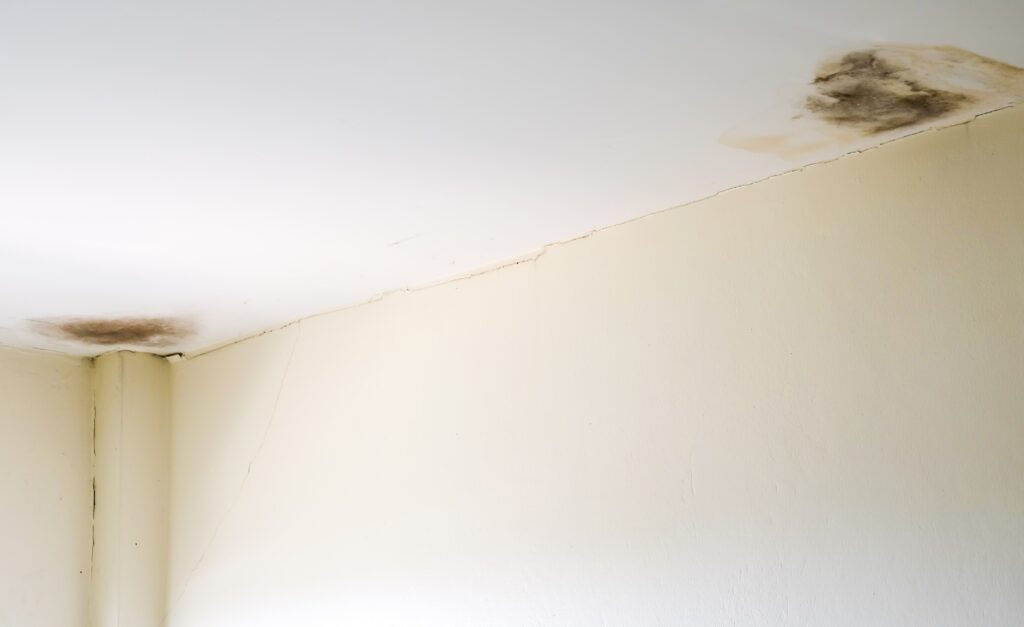
They typically begin as minor, intermittent concerns like an isolated leak, a small section of staining or occasional water ingress reported by residents. At this stage, they are almost always treated as maintenance items. Reactive works are carried out, the immediate symptom is addressed and the building continues to perform at least on the surface.
However in many cases this is usually where the underlying issue is missed.
From a technical standpoint, roofing and waterproofing systems fail progressively not suddenly:
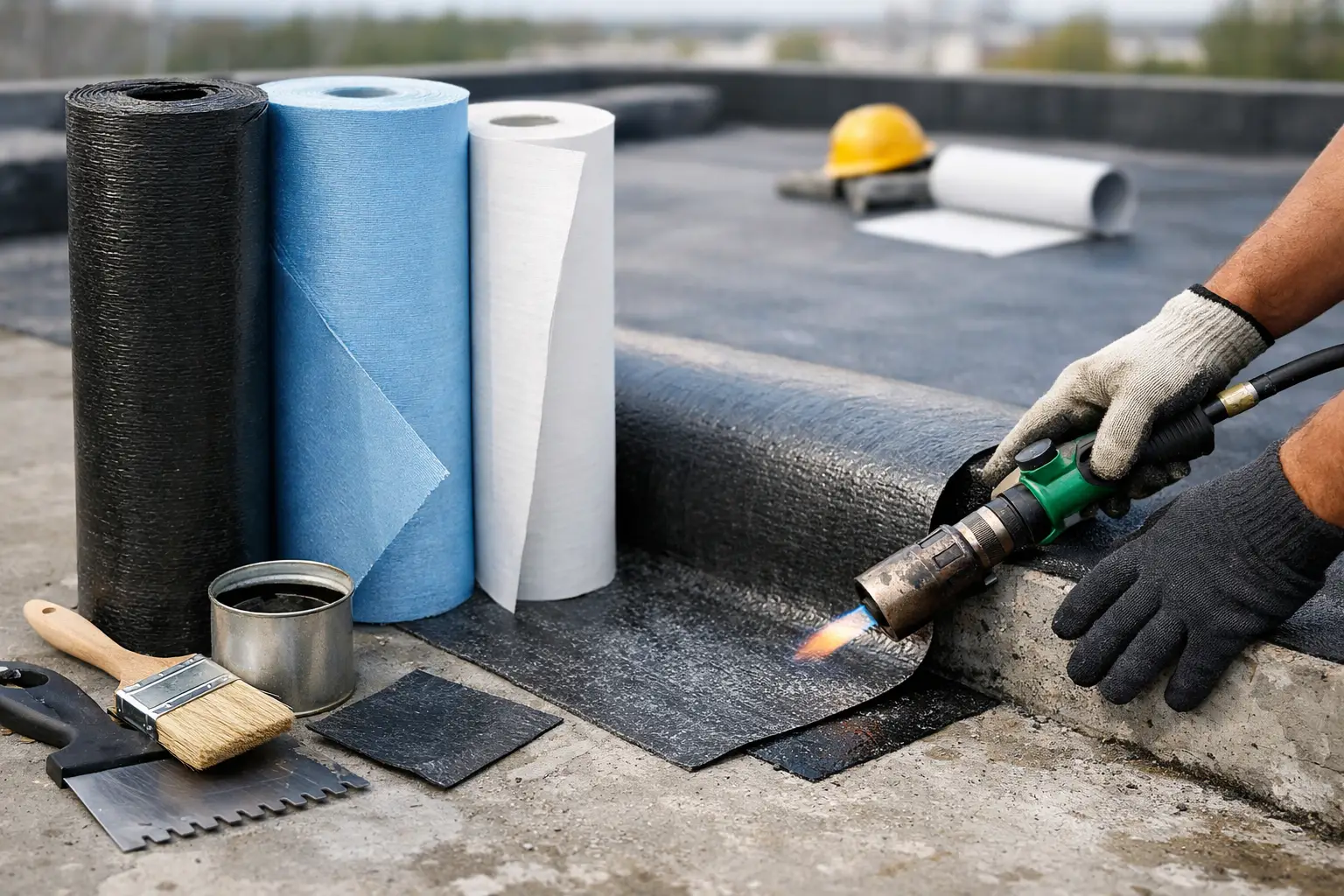
- Membranes degrade over time;
- Detailing at junctions begins to break down;
- And water pathways develop in areas that are not visible without proper investigation.
What presents internally is often only a delayed indicator of a much broader failure within the building envelope. There are several reasons we see these issues consistently overlooked:
- The problem is concealed by nature – Waterproofing failures occur beneath the surface. Without targeted investigation, it is difficult to accurately diagnose the condition of the system as a whole.
- Symptoms are treated instead of causes – Maintenance-based interventions—such as patching or resealing, may be effective in the short term, but they never address systemic failure. This creates a cycle of recurring issues that appear isolated but are in fact connected.
- Decision-making is driven by short-term outcomes – Understandably, strata committees often prioritise cost efficiency. When a defect appears manageable, there is a tendency to defer more comprehensive works in favour of immediate, lower-cost solutions.
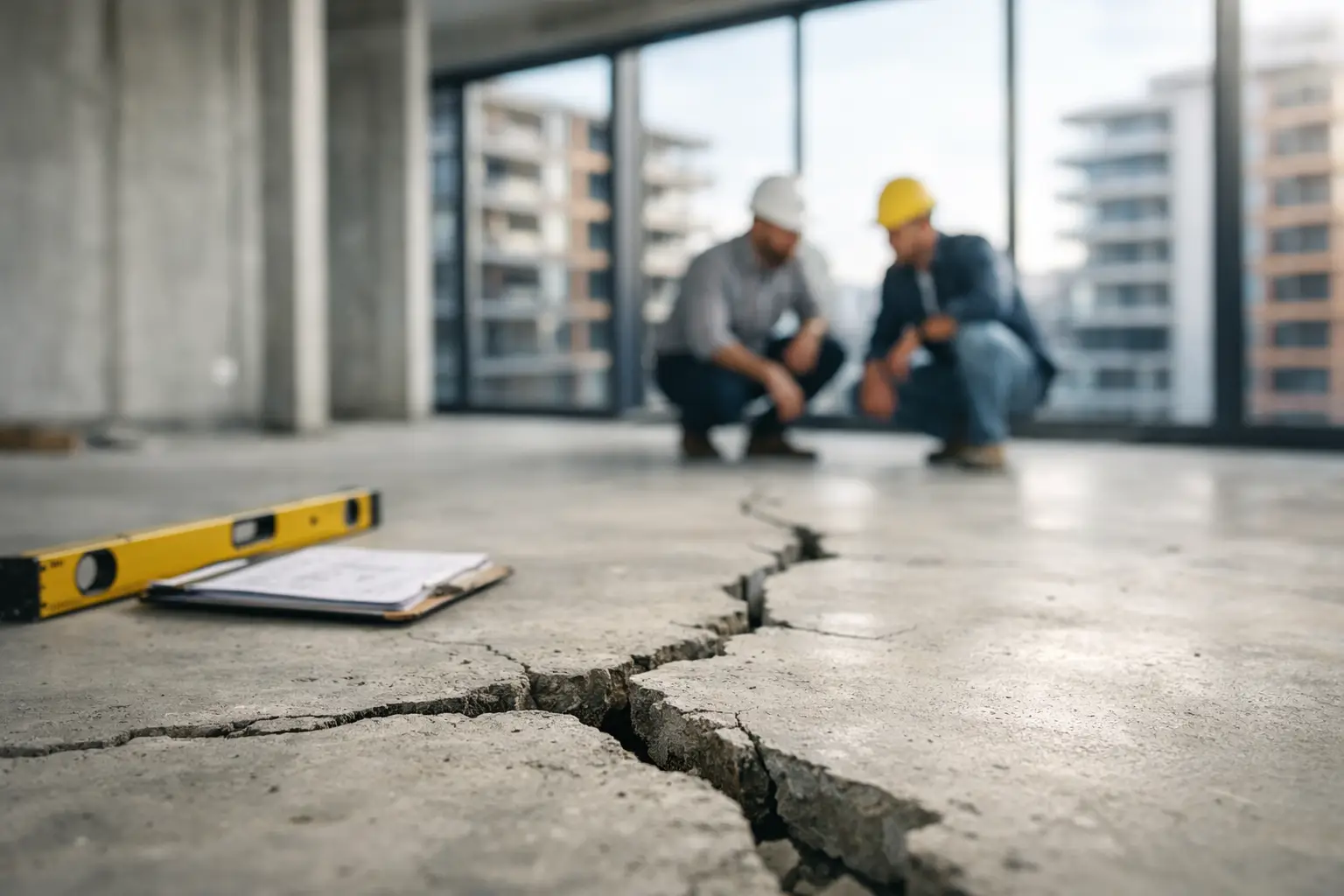
- Early warning signs are misinterpreted – Water ingress does not always originate where it becomes visible. Without a forensic approach, repairs are often directed at the wrong location, allowing the true source to persist.
Over time, this combination of factors allows relatively minor defects to evolve into significantly more complex issues.
By the time we are engaged, what may have initially been a straightforward intervention has often progressed into a broader remedial scope, requiring partial or complete system replacement, rectification of consequential damage and more detailed design coordination.
At this stage, the classification is clear: it is no longer just a maintenance issue. It is a remedial project.
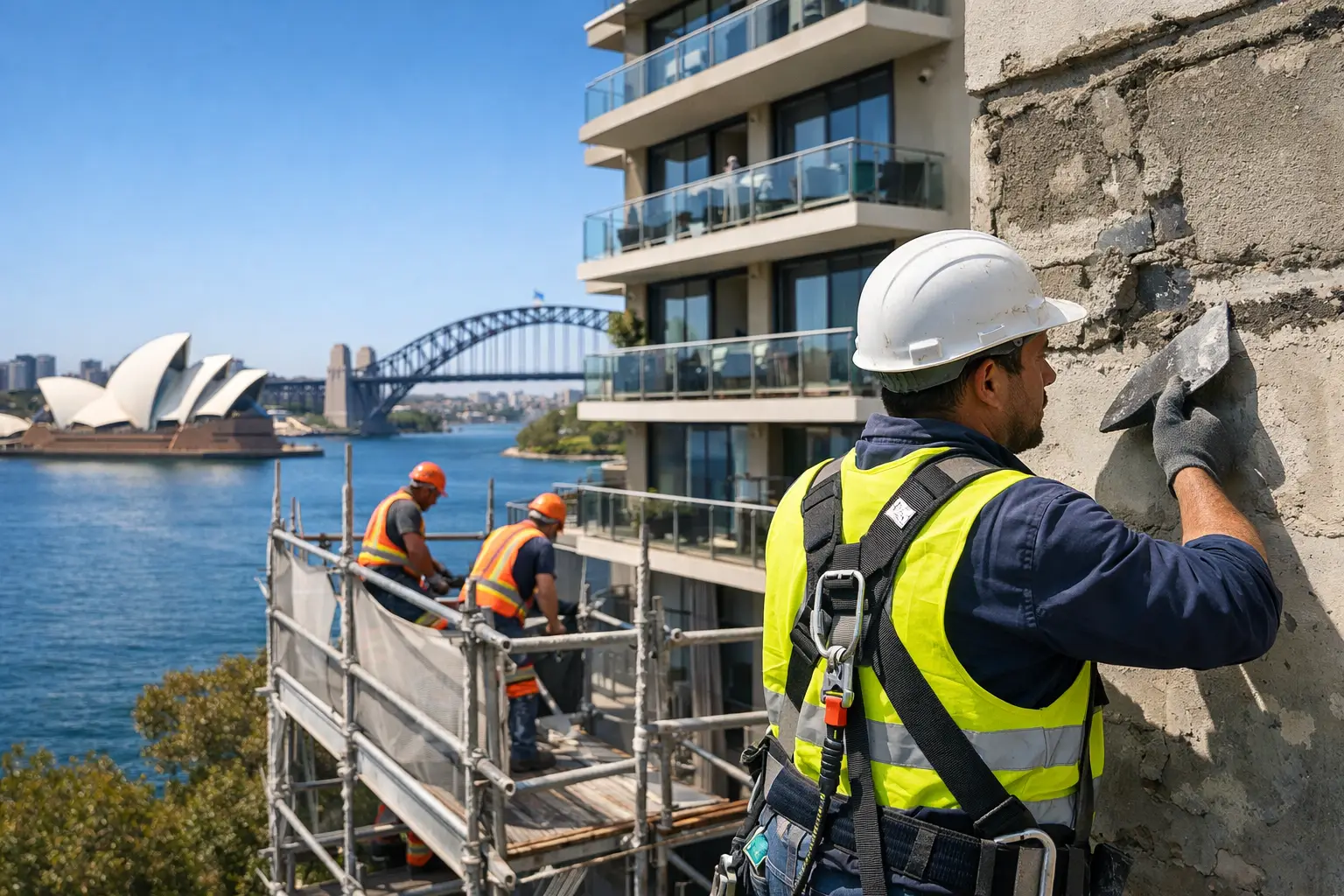
Our role, as a remedial builder, is to reframe the problem entirely, moving away from reactive repairs and toward a more structured, long-term solution that is designed for low cost maintenance. This involves detailed investigation, accurate diagnosis and the design and delivery of works that address the root cause in alignment with current Australian Standards and regulatory requirements.
The key message for strata committees and asset owners is to recognise them early and correctly. As what our team usually tells our clients that recurring issues are not coincidental, they are indicators of system failure.
Engaging a qualified building practitioner at the appropriate stage is not an escalation it is a strategic decision that protects the asset, controls long-term cost and ensures the building performs as intended.
Ph+ 1300 145 014